





























































































About AppleGate Recovery Elyria
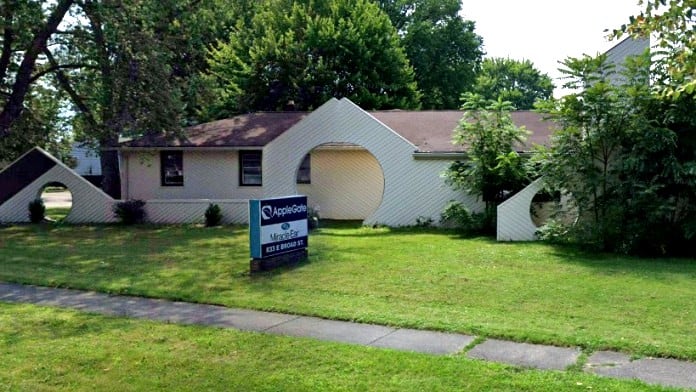
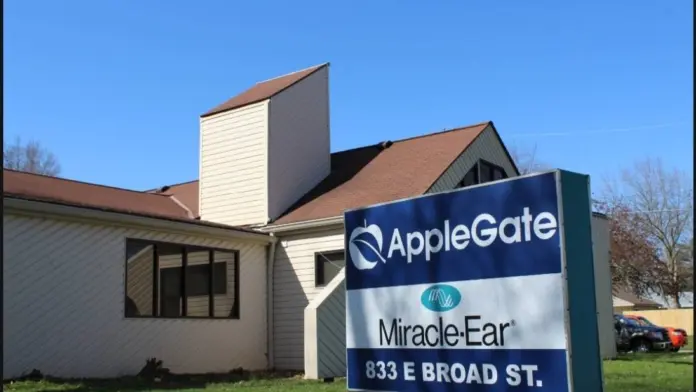
AppleGate Recovery Elyria is an outpatient drug and alcohol rehab located at 833 E. Broad Street, Elyria, Ohio. They specialize in medication assisted treatment for opioid use disorder.
The clinic combines Suboxone and buprenorphine based MAT with counseling and case management, emphasizing evidence based, compassionate care that allows clients to maintain work, school and family commitments while in treatment.
Opioid Addiction Treatment Programs at AppleGate Recovery Elyria
Care typically begins with an assessment to determine the most appropriate medication assisted treatment plan, which may include Suboxone, buprenorphine, Brixadi, Sublocade, or Vivitrol.
From there, clients engage in ongoing outpatient counseling and case management designed to address the medical, emotional and practical aspects of opioid recovery.
Clients can expect individual, group and family counseling alongside their medication regimen, with case managers helping coordinate community resources. They participate in Ohio’s Project DAWN network, providing harm reduction tools like free naloxone and fentanyl test strips.
Quick Facts About AppleGate Recovery Elyria
AppleGate Recovery Elyria serves Lorain, Avon, North Ridgeville and Sheffield. The level of care includes outpatient opioid addiction treatment with MAT, counseling and case management.
The program treats adult men and women, young adults and pregnant or postpartum clients. Its approach includes evidence based MAT paired with counseling and harm reduction support. Payment options include Ohio Medicaid, Medicare, most major insurance plans and self pay.
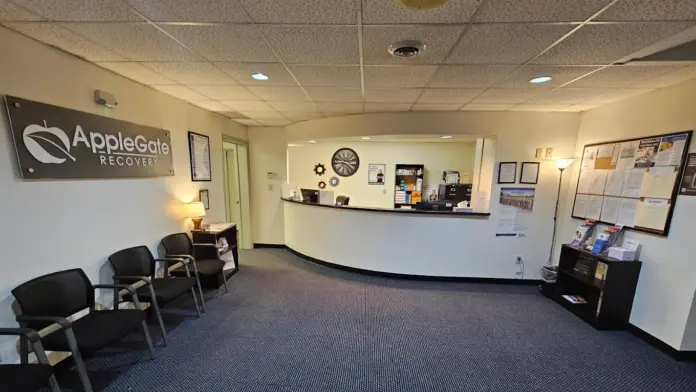
The clinic is wheelchair accessible and offers a discreet outpatient setting with flexible hours. AppleGate Recovery Elyria is CARF accredited for office based opioid treatment.
Getting Started with AppleGate Recovery Elyria
Starting treatment at AppleGate Recovery in Elyria, Ohio, begins with a confidential intake and assessment to identify the right medication and counseling plan. The admissions team can walk you through program details, verify insurance benefits and explain payment options.
Latest Reviews



Rehab Score
 Our Methodology


Gallery
Other Forms of Payment
Private insurance refers to any kind of healthcare coverage that isn't from the state or federal government. This includes individual and family plans offered by an employer or purchased from the Insurance Marketplace. Every plan will have different requirements and out of pocket costs so be sure to get the full details before you start treatment.
Self-pay involves paying for treatment out of your own pocket. You can use savings or credit, get a personal loan, or receive help from family and friends to fund your treatment. If you don't have insurance or your insurance plan doesn't cover a specific program, self-pay can help ensure you still get the care you need.
Financial aid can take many forms. Centers may have grants or scholarships available to clients who meet eligibility requirements. Programs that receive SAMHSA grants may have financial aid available for those who need treatment as well. Grants and scholarships can help you pai for treatment without having to repay.
Medicare is a federal program that provides health insurance for those 65 and older. It also serves people under 65 with chronic and disabling health challenges. To use Medicare for addiction treatment you need to find a program that accepts Medicare and is in network with your plan. Out of pocket costs and preauthorization requirements vary, so always check with your provider.
Medicaid is a state based program that helps lower-income individuals and families pay for healthcare. Medicaid covers addiction treatment so those enrolled can use their coverage to pay for rehab. When a program accepts Medicaid the client often pays very little or nothing out of their own pocket.
Addiction Treatments
Levels of Care
Outpatient Programs (OP) are for those seeking mental rehab or drug rehab, but who also stay at home every night. The main difference between outpatient treatment (OP) and intensive outpatient treatment (IOP) lies in the amount of hours the patient spends at the facility. Most of the time an outpatient program is designed for someone who has completed an inpatient stay and is looking to continue their growth in recovery. Outpatient is not meant to be the starting point, it is commonly referred to as aftercare.
Clients who have just completed detox or who are at an increased risk of relapse, such as those experiencing a life crisis, typically enroll in an inpatient rehab. There, they receive housing, meals, and intensive clinical supervision. Inpatient treatment typically involves extensive individual, group, and family therapy. Clients may also participate in life skills training to support their long-term sobriety. Integrative rehab centers offer a variety of evidence-based holistic therapies, such as meditation or equine therapy.
Many treatment centers base their recovery models on the 12 step programming standard, which combines intensive peer support with spiritual, psychological, and emotional growth. Participants in 12 step recovery programs are expected to regularly attend group meetings, which are free, anonymous, peer-led, and open to the public. They are also required to select a sponsor to guide them through the recovery journey. These programs deploy spiritual principles to foster participants' self-understanding, forgiveness, acceptance, and accountability.
A sober living home in Ohio is often recommended for those completing a drug rehab program. When you leave the structured setting of rehab, returning home can trigger relapse due to the abrupt change in environment. Men's and women's sober living homes act as transitional spaces to continue developing tools for recovery before fully re-entering society. It gives you time to adjust to the demands of life, in a setting that is free from substances.
Medical detox involves clearing your body of drugs and/or alcohol under the 24/7 care of licensed medical professionals. If you've become dependent on alcohol or drugs (like benzodiazepines or opioids), quitting abruptly can have uncomfortable and even dangerous side effects. The purpose of medically assisted detox is to keep you as safe and comfortable as possible during this process. Medications like Suboxone or Vivitrol may be provided if necessary to mitigate any withdrawal symptoms.
Treatments
Substance rehabs focus on helping individuals recover from substance abuse, including alcohol and drug addiction (both illegal and prescription drugs). They often include the opportunity to engage in both individual as well as group therapy.
Programs
Adult rehab programs include therapies tailored to each client's specific needs, goals, and recovery progress. They are tailored to the specific challenges adult clients may face, including family and work pressures and commitments. From inpatient and residential treatment to various levels of outpatient services, there are many options available. Some facilities also help adults work through co-occurring conditions, like anxiety, that can accompany addiction.
Clinical Services
Group therapy is any therapeutic work that happens in a group (not one-on-one). There are a number of different group therapy modalities, including support groups, experiential therapy, psycho-education, and more. Group therapy involves treatment as well as processing interaction between group members.
In individual therapy, a patient meets one-on-one with a trained psychologist or counselor. Therapy is a pivotal part of effective substance abuse treatment, as it often covers root causes of addiction, including challenges faced by the patient in their social, family, and work/school life.
Amenities
-
 Residential Setting
 -
 Private Rooms
Accreditations

The Commission on Accreditation of Rehabilitation Facilities (CARF) is a non-profit organization that specifically accredits rehab organizations. Founded in 1966, CARF's, mission is to help service providers like rehab facilities maintain high standards of care.
CARF Accreditation: Yes
Rehab.com regularly reviews this listing for accuracy but changes may occur between updates. For the most up-to-date information, please contact AppleGate Recovery Elyria.
Contact Information


833 E. Broad Street
Unit-1
Elyria, OH 44035
Sponsored Helpline

