Symetria — Hurst Outpatient Rehab & Suboxone Clinic
1
Top 10 Rehab Centers In Hurst



















































































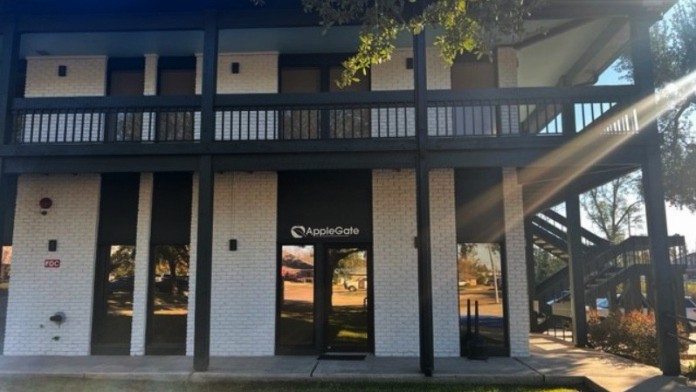
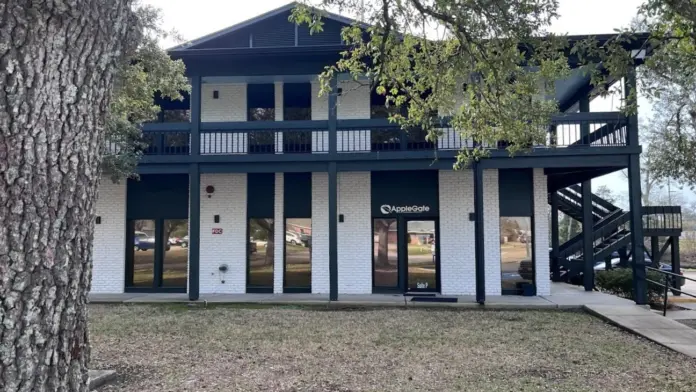
AppleGate Recovery is an addiction clinic in Lake Charles, Louisiana specializing in treatment for opioid addiction and alcohol use disorder.
The clinic serves adults through office-based opioid treatment, counseling and an Intensive Outpatient Program with support from a dedicated team of medical providers.
Their compassionate, judgment-free approach is designed to help clients pursue recovery while maintaining work, school and home responsibilities.
Medication assisted treatment is the heart of AppleGate Recovery Lake Charles combining FDA-approved medications with ongoing counseling and support.
Options include Suboxone, buprenorphine, Brixadi and Sublocade for opioid use disorder, alongside Vivitrol for alcohol use disorder.
Your first visit includes an intake assessment, medical history review, physical exam and lab work to build a personalized treatment plan.
Care pairs medication management with individual counseling, group sessions and family therapy to address the roots of addiction. This blended model helps stabilize symptoms while building lasting recovery skills.
For adults 18 and older who need more structure the Intensive Outpatient Program offers added support, whether stepping down from residential care or seeking more than standard outpatient treatment.
The program includes relapse-prevention support, case management and care coordination, with community harm-reduction resources like free naloxone and fentanyl test strips.

 Our Methodology


Private insurance refers to any kind of healthcare coverage that isn't from the state or federal government. This includes individual and family plans offered by an employer or purchased from the Insurance Marketplace. Every plan will have different requirements and out of pocket costs so be sure to get the full details before you start treatment.
Self-pay involves paying for treatment out of your own pocket. You can use savings or credit, get a personal loan, or receive help from family and friends to fund your treatment. If you don't have insurance or your insurance plan doesn't cover a specific program, self-pay can help ensure you still get the care you need.
Medicaid is a state based program that helps lower-income individuals and families pay for healthcare. Medicaid covers addiction treatment so those enrolled can use their coverage to pay for rehab. When a program accepts Medicaid the client often pays very little or nothing out of their own pocket.
Outpatient Programs (OP) are for those seeking mental rehab or drug rehab, but who also stay at home every night. The main difference between outpatient treatment (OP) and intensive outpatient treatment (IOP) lies in the amount of hours the patient spends at the facility. Most of the time an outpatient program is designed for someone who has completed an inpatient stay and is looking to continue their growth in recovery. Outpatient is not meant to be the starting point, it is commonly referred to as aftercare.
Clients engaged in an intensive outpatient program (IOP) participate in multiple treatment sessions weekly. Typical treatment modalities include individual, group, and family counseling, addiction and recovery education, medication assisted treatment (MAT), and evidence-based holistic therapies. Most intensive outpatient rehabs require clients to engage in a minimum of nine and a maximum of 20 treatment hours per week. Many clients enter IOP after stepping down from intensive inpatient care, but some may enroll immediately after completing detox.
Clients enrolled in rehab aftercare programs have completed high-level treatment and are typically in the maintenance phase of their recovery, receiving customized services designed to support their sustained sobriety. Case managers and care teams typically begin to plan for the client's rehab aftercare services early in the treatment process to ensure the client's fluid reentry into their home, workplace, and community. These programs evolve as clients' needs change, and frequently include peer coaching, relapse prevention, and career counseling.
Sober living homes in Louisiana offer a drug- and alcohol-free environment where residents can maintain or establish their sobriety. Also called a halfway house, this setting offers peer empowerment, support, accountability, reinforcement of recovery principles, and individual responsibility. It is a safe place where residents can solidify their recovery skills and prepare to return home or establish a new independent life.
The first step in the addiction recovery process involves flushing all addictive drugs and alcohol from your body while under 24/7 medical supervision. Known as a medically assisted detox, this level of care takes into account that quitting your drug of choice cold turkey can be very dangerous once you've become physically dependent. In a medical detox, your team of medical professionals helps to ensure your safety and comfort. Most people transition to an inpatient treatment or maintenance program upon completion.
Substance rehabs focus on helping individuals recover from substance abuse, including alcohol and drug addiction (both illegal and prescription drugs). They often include the opportunity to engage in both individual as well as group therapy.
Adult rehab programs include therapies tailored to each client's specific needs, goals, and recovery progress. They are tailored to the specific challenges adult clients may face, including family and work pressures and commitments. From inpatient and residential treatment to various levels of outpatient services, there are many options available. Some facilities also help adults work through co-occurring conditions, like anxiety, that can accompany addiction.
Young adulthood can be an exciting, yet difficult, time of transition. Individuals in their late teens to mid-20s face unique stressors related to school, jobs, families, and social circles, which can lead to a rise in substance use. Rehab centers with dedicated young adult programs will include activities and amenities that cater to this age group, with an emphasis on specialized counseling, peer socialization, and ongoing aftercare.
If you undergo cognitive behavioral therapy in Louisiana, you may engage in role playing, face your fears, and learn to calm your mind and body. These techniques are designed to help you recognize unhealthy patterns of thinking and to learn healthy ways of coping with challenges.
Group therapy is any therapeutic work that happens in a group (not one-on-one). There are a number of different group therapy modalities, including support groups, experiential therapy, psycho-education, and more. Group therapy involves treatment as well as processing interaction between group members.
In individual therapy, a patient meets one-on-one with a trained psychologist or counselor. Therapy is a pivotal part of effective substance abuse treatment, as it often covers root causes of addiction, including challenges faced by the patient in their social, family, and work/school life.
Couples therapy focuses on helping the couple develop skills that will improve the relationship. These include communication, conflict resolution, and anger management. Couples also identify dysfunctional behaviors and work to eliminate them.
The purpose of family therapy is to create a supportive and understanding dynamic between family members. Therapists assist families in identifying and changing negative, harmful patterns while improving open and honest communication. This provides a stable foundation for the recovery journey.
An integral part of addiction rehab in Louisiana is life skills training. This training equips you for the daily tasks you'll need to successfully navigate post treatment. Training may include employment coaching, stress management techniques, financial budgeting, and interpersonal skill development.
 Residential Setting
  Private Rooms
 Physician
Nurse Practitioner
Nurse Practitioner

LegitScript has reviewed AppleGate Recovery Lake Charles as part of their certification program, and has determined that it meets the LegitScript standards for legality, safety and transparency.
LegitScript verified in
Rehab.com regularly reviews this listing for accuracy but changes may occur between updates. For the most up-to-date information, please contact AppleGate Recovery Lake Charles.

751 Bayou Pines East
Suite P
Lake Charles, LA 70601
Sponsored Helpline


This place has been the most amazing experience. They have changed my life. They’re understanding and kind. And make you feel warm and welcomed. If it wasn’t for them I would still be strung out on drugs with no hope. Thank you Applegate recovery for all that you have done to help me change my life !

I went here for months I loved it but then Lisa accused me of tampering with my urine tests why would I do this if I need help why bother even going to a clinic if I was gonna tamper with my urine test that day I was so mad I left with out getting a appointment I forgot then I called to get one just for them to tell me I was discharged from here I don’t get no chances nothing he’ll I don’t even no what I done so I found another clinic and here again they are saying I’m takeing something I don’t take just mind blowing my next step is the medical board and a law suit theses people are playing with my dam life now how can the only dam thing you got in your system is suboxana and bc powder and they claim your urine test show that you have oxycodone in your system and Xanax when that’s all I take is suboxana and bc powders is mind blowing to me either they are doing this on purpose why idk are their tests are faulty but I’m not putting up with this bs nope it’s time someone gets exposed they ain’t gonna make me look stupid period
 Back
Back
Sharing your insights and experiences can help others learn more about this rehab center.