































































































Two stars only because I made great friends with other clients, and THAT'S what made my stay there worthwhile. Other than that, I was there in 2019 before Acadia took over, and it's turned into a you-know-what show. From least to most serious (but I’d REALLY recommend read ...
About Bayside Marin Treatment Center
Outpatient care gives you the freedom to return home after sessions, while residential care can be beneficial by giving you access to 24/7 care by their team of medical professionals. According to their website, they never have more than 30 residents in their residential program at a time, which allows for a more intimate environment where each patient can be specifically cared for.
They are also a dual diagnosis center, which means they treat co-occurring mental health conditions, too. This can include illnesses such as depression, anxiety, bipolar disorder and schizophrenia, which can all be attributed to negative behaviors and patterns such as addiction.
You’ll find plenty of great services here, such as individual psychotherapy, cognitive (CBT) and dialectical behavior therapy (DBT), motivational interviewing (MI), group and family therapy, educational classes, and other trauma-informed therapies.
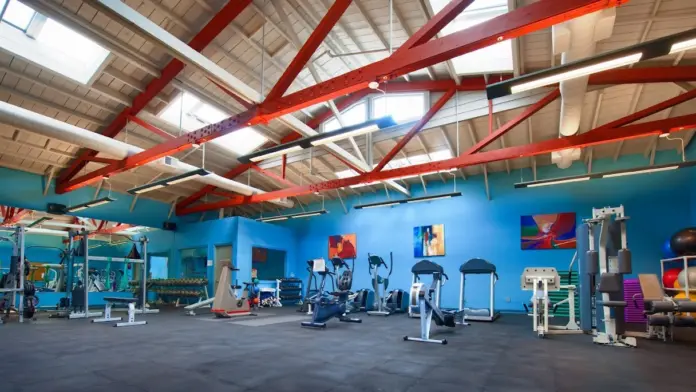
They even have some more holistic options such as meditation, yoga and qigong, acupuncture, therapeutic massage, and a fully equipped gym, pool, sauna and steam room. There is so much to benefit from here and this clinic may be a good fit based on what I’ve researched.
Once your treatment is over, they offer aftercare programs to help ensure that you continue down the right path of sobriety, which will, in turn, lead to more happiness in your life.
Facility Overview
 30
30 Number of Available Beds
 $2670
$2670 Avg Cost per Day
Latest Reviews
My experience at Bayside Marin was profound. It was amazing and utterly helpful to my recovery. If you are dealing with active addiction in any form, I highly recommend going to Bayside. The staff and counselors are top rate and kind. Do it for yourself!
Response from the owner3 weeks ago
We truly value your feedback! Thank you so much for taking the time to share!
Great experience, staff is amazing and very helpful
Response from the owner3 weeks ago
We value you taking the time to provide us with your feedback! We are committed to remaining an industry leader by offering superior care in a safe and welcoming environment.
Bayside Marin truly changed my life. From the moment I arrived, I felt welcomed, respected, and genuinely cared for. The staff goes above and beyond every single day, treating each person with compassion, professionalism, and encouragement. Their dedication to helping people recover is evident in everything they do.
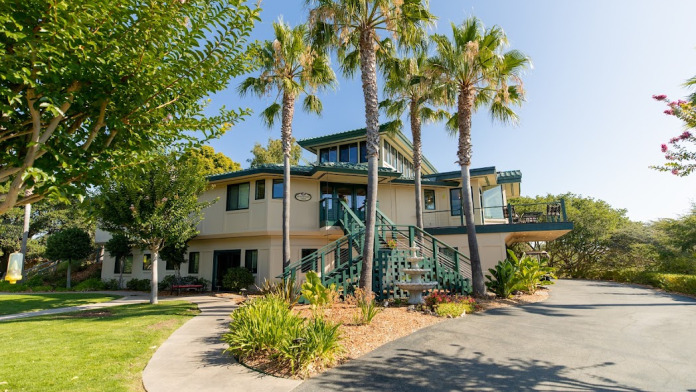
The facility itself is beautiful, peaceful, and exceptionally well maintained. It creates a comfortable environment where you can focus entirely on healing and personal growth. Every aspect of the program is designed to support long-term recovery, and I always felt safe and supported throughout my stay.
One thing that pleasantly surprised me was the quality of the food. Every meal was delicious, fresh, and thoughtfully prepared. Having such great meals made a difficult journey much more comfortable.
I am incredibly grateful to everyone at Bayside Marin for giving me the tools, support, and hope to build a better future. If you or someone you love is looking for a rehabilitation center that truly cares about its clients, I cannot recommend Bayside Marin highly enough. It is a life-changing place that gave me a second chance, and I will always be thankful.
Response from the owner3 weeks ago
Thank you so much for sharing your thoughts! At Bayside Marin, we're committed to embodying the highest of standards in the behavioral healthcare industry. 
Rehab Score
 Our Methodology
Scoring is assigned by a proprietary system which helps surface key metrics that determine quality. The 10-point scale factors in categories such as operations, customer satisfaction, and trust metrics. Read Full Methodology

9.1 / 10
Gallery



-696x392.webp)
Accepted Insurance
Other Forms of Payment
Private insurance refers to any kind of healthcare coverage that isn't from the state or federal government. This includes individual and family plans offered by an employer or purchased from the Insurance Marketplace. Every plan will have different requirements and out of pocket costs so be sure to get the full details before you start treatment.
Self-pay involves paying for treatment out of your own pocket. You can use savings or credit, get a personal loan, or receive help from family and friends to fund your treatment. If you don't have insurance or your insurance plan doesn't cover a specific program, self-pay can help ensure you still get the care you need.
Military members, veterans, and eligible dependents have access to specific insurance programs that help them get the care they need. TRICARE and VA insurance can help you access low cost or no cost addiction and mental health treatment. Programs that accept military insurance often have targeted treatment focused on the unique challenges military members, veterans, and their families face.
Addiction Treatments
Levels of Care
Clients receiving treatment at an outpatient rehab typically do not require hospitalization or intensive supervision and support. Outpatient addiction counseling and recovery education are often offered during the morning, evening, night, and weekend, allowing clients to tailor treatment to their own schedule. Partial hospitalization (PHP) and intensive outpatient (IOP) programs are the most time-intensive and are designed for clients who are at an increased relapse risk and/or who need more robust therapeutic support.
Residential treatment programs are those that offer housing and meals in addition to substance abuse treatment. Rehab facilities that offer residential treatment allow patients to focus solely on recovery, in an environment totally separate from their lives. Some rehab centers specialize in short-term residential treatment (a few days to a week or two), while others solely provide treatment on a long-term basis (several weeks to months). Some offer both, and tailor treatment to the patient's individual requirements. Bayside Marin’s premier, residential rehab and treatment program for substance abuse and co-occurring issues is meant for individuals who require more support than is available in an intensive outpatient program. Inpatient residential rehab provides round-the-clock care and 24-hour support. Their luxury residential rehab facility here in California is designed especially for guests who require privacy and exclusivity, as well as the latest in addiction and dual diagnosis treatment. Bayside Marin’s residential treatment is designed to be the last residential rehab program for substance abuse you will ever need.
Intensive Outpatient programs are for those who want or need a very structured treatment program but who also wish to live at home and continue with certain responsibilities (such as work or school). IOP substance abuse treatment programs vary in duration and intensity, and certain outpatient rehab centers will offer individualized treatment programs. IOP patients have the option of participating in morning or evening sessions, with most patients completing 30 group sessions and 10 individual sessions over 10 weeks.
12-step programs are addiction recovery models based on Alcoholics Anonymous (AA). A number of substance abuse programs (including some drug and alcohol rehab centers) use the 12 steps as a basis for treatment. Beginning steps involve admitting powerlessness over the addiction and creating a spiritual basis for recovery. Middle steps including making direct amends to those who've been hurt by the addiction, and the final step is to assist others in addiction recovery in the same way. 12-Step offshoots including Narcotics Anonymous (NA), Cocaine Anonymous (CA), Dual Recovery Anonymous (DRA), Sex and Love Addicts Anonymous (SLAA) and Gamblers Anonymous (GA).
A partial hospitalization program (PHP) is a short-term form of intensive rehab, usually for those with acute symptoms that are hard to manage but don’t require 24-hour care. PHPs have structured programming (i.e. individual and/or group therapy), and usually meet 3-5 days a week for around 6 hours (i.e. 9am-3m). Some PHPs are residential (patients sleep on site) and some are not, so patients sleep at home. PHPs can last from 1-6 months, and some offer transportation and meals.
During the first phase of recovery – detox – it is crucial to have 24-hour clinical care in California. This care provides constant monitoring in order to ensure your safely and comfort as you progress through the withdrawal process for drug or alcohol addiction. Licensed professionals prescribe medications to treat withdrawal symptoms and provide frequent monitoring to ensure your safely as addictive toxins leave your system.
Drug and alcohol addiction often takes a heavy toll on one's body. Over time, a physical dependence can develop, meaning the body physiologically needs the substance to function. Detox is the process of removing drugs and/or alcohol from the body, a process that can be lethal if mismanaged. Medical detox is done by licensed medical professionals who monitor vital signs and keep you safe, healthy, and as comfortable as possible as you go through detox and withdrawal.
Rehab aftercare programs offer clients in addiction recovery a robust continuum of care after clients have completed active treatment. These services address recovery as a life-long process and are designed to evolve with clients' changing needs. Clients may partner with their case managers and/or addiction recovery team to identify the rehab aftercare services that are right for them. They may receive career counseling, housing assistance, peer coaching, 12 step program induction, among many other services.
Treatments
Many of those suffering from addiction also suffer from mental or emotional illnesses like schizophrenia, bipolar disorder, depression, or anxiety disorders. Rehab and other substance abuse facilities treating those with a dual diagnosis or co-occurring disorder administer psychiatric treatment to address the person’s mental health issue in addition to drug and alcohol rehabilitation. In order to fulfill our goal of helping people achieve healthier, happier, and more productive lives, we, at Bayside Marin Treatment Center, in California, believe that it is necessary to provide treatment for not just substance abuse and chemical dependency concerns, but all-encompassing care that is able to assist their clients in healing & rehabbing from the emotional turmoil and distress that is cornerstone to mental illnesses.
Substance rehabs focus on helping individuals recover from substance abuse, including alcohol and drug addiction (both illegal and prescription drugs). They often include the opportunity to engage in both individual as well as group therapy.
Alcoholism, or alcohol use disorder (AUD), is defined by alcohol dependence. This is a state the body reaches when it experiences withdrawal symptoms in the absence of alcohol. A person who has AUD craves alcohol and continues to drink despite adverse consequences. Because withdrawing from alcohol can pose health risks, individuals with AUD should seek professional alcohol rehab in California to overcome their alcohol addiction. This process typically involves medical detox, rehabilitation, and maintenance.
Drug rehab in California teaches participants constructive ways to stay clean and sober. Treatment revolves around helping individuals stop using the substance they are addicted to and learn healthy habits to avoid relapse.
 Opioid Addiction
Programs
Adult rehab programs include therapies tailored to each client's specific needs, goals, and recovery progress. They are tailored to the specific challenges adult clients may face, including family and work pressures and commitments. From inpatient and residential treatment to various levels of outpatient services, there are many options available. Some facilities also help adults work through co-occurring conditions, like anxiety, that can accompany addiction.
Young adulthood can be an exciting, yet difficult, time of transition. Individuals in their late teens to mid-20s face unique stressors related to school, jobs, families, and social circles, which can lead to a rise in substance use. Rehab centers with dedicated young adult programs will include activities and amenities that cater to this age group, with an emphasis on specialized counseling, peer socialization, and ongoing aftercare.
At Bayside Marin, they are pleased to have experts on staff that specialize in meeting the targeted needs of the LGBTQ community, recognizing the unique needs of the community in a treatment experience. Having been recognized for their efforts to promote safe spaces in places like universities, hospitals, police departments, and more, the staff at Bayside Marin is dedicated to ensuring that cultural humility is woven into each person’s path to recovery.
Serving in the military is both mentally and physically challenging, and can result in trauma that persists even after combat ends. Military programs are tailored to the specific and often complex needs of active duty personnel, veterans, and military families. Clients often access these programs through the U.S. Department of Veterans Affairs (VA).
Clinical Services
Cognitive Behavioral Therapy (CBT) is a therapy modality that focuses on the relationship between one's thoughts, feelings, and behaviors. It is used to establish and allow for healthy responses to thoughts and feelings (instead of unhealthy responses, like using drugs or alcohol). CBT has been proven effective for recovering addicts of all kinds, and is used to strengthen a patient's own self-awareness and ability to self-regulate. CBT allows individuals to monitor their own emotional state, become more adept at communicating with others, and manage stress without needing to engage in substance abuse.
Dialectical Behavior Therapy (DBT) is a modified form of Cognitive Behavioral Therapy (CBT), a treatment designed to help people understand and ultimately affect the relationship between their thoughts, feelings, and behaviors. DBT is often used for individuals who struggle with self-harm behaviors, such as self-mutilation (cutting) and suicidal thoughts, urges, or attempts. It has been proven clinically effective for those who struggle with out-of-control emotions and mental health illnesses like Borderline Personality Disorder.
Group therapy is any therapeutic work that happens in a group (not one-on-one). There are a number of different group therapy modalities, including support groups, experiential therapy, psycho-education, and more. Group therapy involves treatment as well as processing interaction between group members.
In individual therapy, a patient meets one-on-one with a trained psychologist or counselor. Therapy is a pivotal part of effective substance abuse treatment, as it often covers root causes of addiction, including challenges faced by the patient in their social, family, and work/school life.
Trauma therapy addresses traumatic incidents from a client's past that are likely affecting their present-day experience. Trauma is often one of the primary triggers and potential causes of addiction, and can stem from child sexual abuse, domestic violence, having a parent with a mental illness, losing one or both parents at a young age, teenage or adult sexual assault, or any number of other factors. The purpose of trauma therapy is to allow a patient to process trauma and move through and past it, with the help of trained and compassionate mental health professionals.
Whether a marriage or other committed relationship, an intimate partnership is one of the most important aspects of a person's life. Drug and alcohol addiction affects both members of a couple in deep and meaningful ways, as does rehab and recovery. Couples therapy and other couples-focused treatment programs are significant parts of exploring triggers of addiction, as well as learning how to build healthy patterns to support ongoing sobriety.
Research clearly demonstrates that recovery is far more successful and sustainable when loved ones like family members participate in rehab and substance abuse treatment. Genetic factors may be at play when it comes to drug and alcohol addiction, as well as mental health issues. Family dynamics often play a critical role in addiction triggers, and if properly educated, family members can be a strong source of support when it comes to rehabilitation. At Bayside Marin Treatment Center in California, they understand the many ways that addiction can impact the entire family, and they appreciate the role that family members play in the recovery process. The highlight of family involvement at Bayside Marin is their Family Program. Bayside Marin’s Family Program is designed to help family members develop the knowledge and skills that will allow them to rebuild relationships, strengthen family bonds, and support their loved one as he or she walks the challenging path of recovery.
Substances can prevent the absorption of nutrients and cause damage to your body's systems. Nutrition therapy in California addresses the deficiencies in vitamins and minerals that are caused by substance abuse.
Creativity is inherently healing, and can help those in recovery express thoughts or feelings they might not otherwise be able to. Creative arts therapy can include music, poetry/writing, painting, sculpting, dance, theater, sandplay, and more. Unlike traditional art, the final product matters far less than the experience of creation and expression itself.
Experiential therapy is a form of therapy in which clients are encouraged to surface and work through subconscious issues by engaging in real-time experiences. Experiential therapy departs from traditional talk therapy by involving the body, and having clients engage in activities, movements, and physical and emotional expression. This can involve role-play or using props (which can include other people). Experiential therapy can help people process trauma, memories, and emotion quickly, deeply, and in a lasting fashion, leading to substantial and impactful healing.
The goal of nicotine replacement therapy in California is to mitigate the symptoms of nicotine withdrawal. It cuts down on your cravings by supplying a small dose of nicotine without exposing your body to the toxins of cigarette smoke.
Amenities
-
 Gym
Gym -
 Yoga Studio
 -
 Residential Setting
 -
 Private Rooms
 -
 Mountain Views
Staff & Accreditations
Staff
James Winder, MHA
CEO
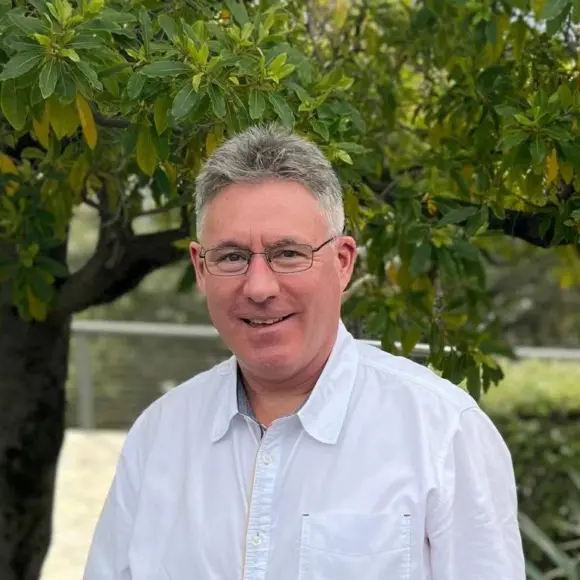
Daniel Ceglowski, MD, MBA, FACEP
Medical Director
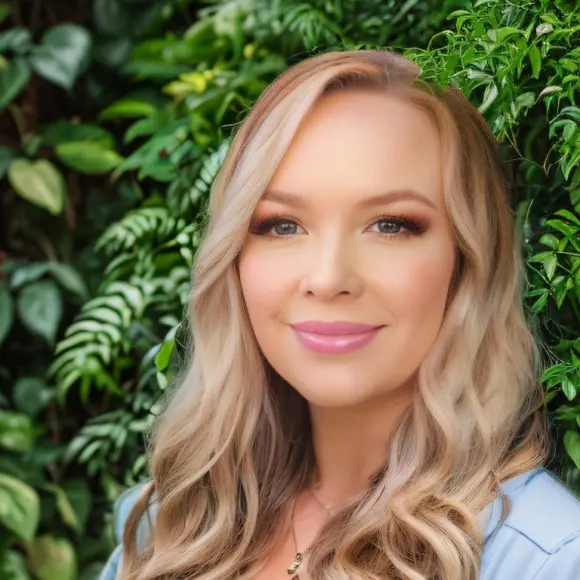
Candice Lipson, RN, MSN, CNL
Chief Nursing Officer

Cliff Prout, CADC
Program Director
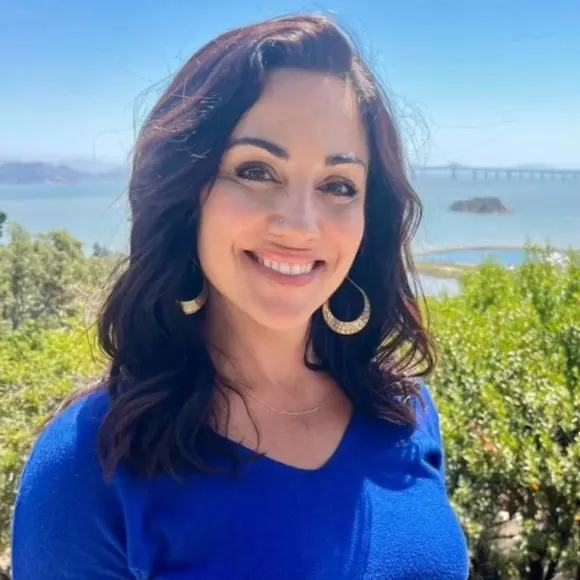
Ella Jackson, LMFT, EMDR
Clinical Director
Accreditations

The Substance Abuse and Mental Health Services Administration (SAMHSA) is a branch of the U.S. Department of Health and Human Services. Established in 1992 by congress, SAMHSA's mission is to reduce the impact of substance abuse and mental illness on American's communities.
SAMHSA Listed: Yes

The Commission on Accreditation of Rehabilitation Facilities (CARF) is a non-profit organization that specifically accredits rehab organizations. Founded in 1966, CARF's, mission is to help service providers like rehab facilities maintain high standards of care.
CARF Accreditation: Yes
Accreditation Number: 227978

State Licenses are permits issued by government agencies that allow rehab organizations to conduct business legally within a certain geographical area. Typically, the kind of program a rehab facility offers, along with its physical location, determines which licenses are required to operate legally.
State License: California
License Number: 210030CP

The National Association of Addiction Treatment Providers (NAATP) is a professional association that represents organizations in the field of addiction services. Founded in 1978, NAATP's mission is to advance addiction services and ensure that high-quality addiction treatment is available and accessible.
NAATP Member: Yes
Member ID: 1361
Rehab.com regularly reviews this listing for accuracy but changes may occur between updates. For the most up-to-date information, please contact Bayside Marin Treatment Center.
Contact Information

718 4th Street
San Rafael, CA 94901
Get Help Now - 415-941-4204
Sponsored Helpline
Sponsored Helpline



