





























































































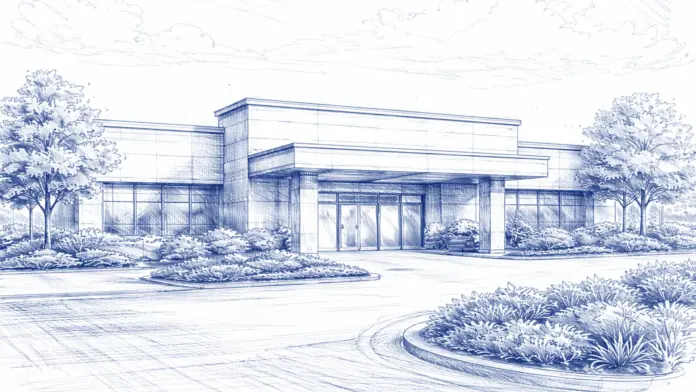
About Behavioral Health Network – The Recreation Program
Behavioral Health Network’s The Recreation Program is an outpatient behavioral health service in Ware, Massachusetts supporting adults in recovery from substance use disorders and psychiatric conditions. The program offers structured group activities including socialization groups and exercise groups as well as community outings and life skills groups with vocational groups.
Through a recovery oriented approach The Recreation Program helps participants build healthy routines and sober social connections in addition to everyday skills needed to sustain long term recovery.
Recreation Therapy for Substance Use and Psychiatric Recovery
The Recreation Program uses recreation therapy as a core treatment strategy for adults navigating substance use disorders and co-occurring psychiatric challenges. As part of the Behavioral Health Network participants benefit from a structured schedule of group based activities designed to support sobriety and community reintegration.
Sessions center on building healthy leisure habits, physical wellness, and peer support through guided activities and community outings. This active engagement driven approach helps participants develop natural coping strategies and a recovery supportive social network outside of traditional clinical settings.
Life Skills and Community Integration Support
Beyond recreational programming the program incorporates life skills and vocational groups to help adults build independence and daily functioning. These components address practical recovery needs and equip participants with tools to engage confidently in their communities.
Latest Reviews



Rehab Score
 Our Methodology


Location
Other Forms of Payment
Financial aid can take many forms. Centers may have grants or scholarships available to clients who meet eligibility requirements. Programs that receive SAMHSA grants may have financial aid available for those who need treatment as well. Grants and scholarships can help you pai for treatment without having to repay.
Addiction Treatments
Levels of Care
Outpatient Programs (OP) are for those seeking mental rehab or drug rehab, but who also stay at home every night. The main difference between outpatient treatment (OP) and intensive outpatient treatment (IOP) lies in the amount of hours the patient spends at the facility. Most of the time an outpatient program is designed for someone who has completed an inpatient stay and is looking to continue their growth in recovery. Outpatient is not meant to be the starting point, it is commonly referred to as aftercare.
Treatments
Mental health rehabs focus on helping individuals recover from mental illnesses like bipolar disorder, clinical depression, anxiety disorders, schizophrenia, and more. Mental health professionals at these facilities are trained to understand and treat mental health issues, both in individual and group settings.
Programs
Young adulthood can be an exciting, yet difficult, time of transition. Individuals in their late teens to mid-20s face unique stressors related to school, jobs, families, and social circles, which can lead to a rise in substance use. Rehab centers with dedicated young adult programs will include activities and amenities that cater to this age group, with an emphasis on specialized counseling, peer socialization, and ongoing aftercare.
Clinical Services
In individual therapy, a patient meets one-on-one with a trained psychologist or counselor. Therapy is a pivotal part of effective substance abuse treatment, as it often covers root causes of addiction, including challenges faced by the patient in their social, family, and work/school life.
Recreational therapy (aka therapeutic recreation) uses creative and fun activities to help with addiction recovery. Recreational therapists lead patients in entertaining and engaging activities like sports or games; art (drawing, painting, sculpture); drama, music, and dance; and/or community outings (field trips) to improve patients' physical, social, and emotional well-being.
Amenities
-
 Private Setting
Staff
Steve Winn, Ph.D.
President & CEO
Anthony Boswell
Senior VP
Dr. Sara Brewer
Medical Director
Randie Caetano Cadigan
VP, Care Management
Rosemary Cruz, SPHR
Assistant Vice President, Human Resources
Jessica DeFlumer, MA
COO
Rose Evans, MEd
Senior Vice President, Addiction & Recovery Services
Toni Hendrix
Vice President, Human Resources
Rehab.com regularly reviews this listing for accuracy but changes may occur between updates. For the most up-to-date information, please contact Behavioral Health Network – The Recreation Program.
Contact Information


56 Main Street
Ware, MA 01082
Sponsored Helpline


