





























































































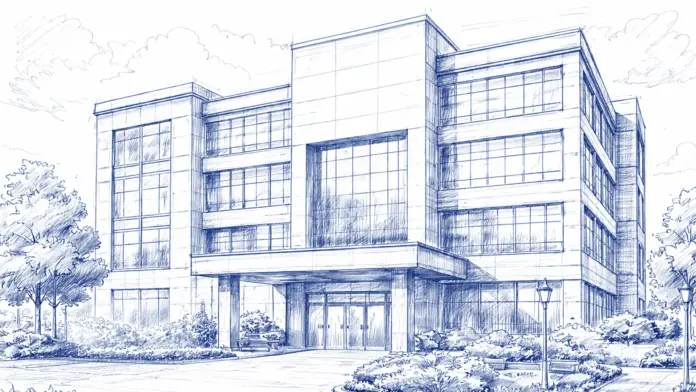
About BrightWell Health Addiction & Recovery Outpatient Care
BrightWell Health Addiction & Recovery Outpatient Care is an addiction treatment center in Glen Burnie, Maryland specializing in outpatient substance use and cooccurring mental health services.
The center offers intensive outpatient programs, outpatient counseling and telehealth options for flexible accessible recovery support.
With specialized tracks for veterans, first responders, professionals and women, BrightWell Health combines evidence based therapies with a holistic, person-centered approach.
Rapid Access Program
Clients can access intensive outpatient programs and traditional outpatient counseling designed to treat addictions to alcohol, opioids, benzodiazepines and stimulants.
The center’s Rapid Access Program allows individuals to begin treatment quickly with flexible scheduling and walk in availability to reduce barriers to care.
Treatment plans incorporate Cognitive Behavioral Therapy, Dialectical Behavior Therapy and holistic modalities such as meditation and yoga therapy.
BrightWell Health also provides medication assisted treatment with options like buprenorphine and naltrexone to support long term recovery and addresses cooccurring conditions including depression, anxiety, PTSD and bipolar disorder.
Key Features
- Location: Glen Burnie on Ritchie Highway with convenient access to Anne Arundel County
- Levels of care: Intensive outpatient, outpatient counseling and telehealth services
- Approach: Evidence based therapies combined with holistic care and MAT for dual diagnosis support
- Payment options: Medicaid, Medicare, major private insurance and flexible payment plans
- Languages: Services available in English and Spanish with bilingual staff
Latest Reviews



Rehab Score
 Our Methodology


Location
Accepted Insurance
Other Forms of Payment
Medicaid is a state based program that helps lower-income individuals and families pay for healthcare. Medicaid covers addiction treatment so those enrolled can use their coverage to pay for rehab. When a program accepts Medicaid the client often pays very little or nothing out of their own pocket.
Medicare is a federal program that provides health insurance for those 65 and older. It also serves people under 65 with chronic and disabling health challenges. To use Medicare for addiction treatment you need to find a program that accepts Medicare and is in network with your plan. Out of pocket costs and preauthorization requirements vary, so always check with your provider.
Private insurance refers to any kind of healthcare coverage that isn't from the state or federal government. This includes individual and family plans offered by an employer or purchased from the Insurance Marketplace. Every plan will have different requirements and out of pocket costs so be sure to get the full details before you start treatment.
Addiction Treatments
Levels of Care
Clients who are leaving inpatient rehab often choose to transition into an intensive outpatient program (IOP) to receive high-level support as they reintegrate into their home, workplace, and community. Intensive outpatient rehab also benefits those at risk of relapse. Clients typically participate in nine to 20 hours of treatment weekly, with modalities ranging from psychotherapy to addiction and recovery education. Many programs also provide medication assisted treatment (MAT) and complementary care, such as nutrition counseling, and acupuncture.
Clients who are exiting detox or intensive inpatient treatment often enroll in outpatient rehab programs to ensure a robust continuity of care. Outpatient programs allow clients to remain in or return to their homes and workplaces while continuing to receive treatment, which typically includes addiction counseling and recovery-focused life skills training. Clients in opioid and/or alcohol recovery may also receive medication assisted treatment (MAT), including medication induction and maintenance, at an outpatient facility.
Telehealth technologies include the internet, video conferencing, streaming media, store-and-forward imaging, and land and wireless communications. Telehealth leverages these technologies to support remote healthcare efforts, which offer convenience and cost savings.
Treatments
Alcohol use disorder (AUD), commonly referred to as alcoholism, can be classified as mild, moderate, or severe. Each category involves unhealthy patterns of alcohol consumption and can cause harmful effects. To treat alcohol addiction at any level, alcohol rehab in Maryland is often necessary. These treatment programs provide psychological, social, and medical supports that help individuals overcome alcohol addiction and maintain long-term recovery.
 Opioid Addiction
Once a person has become addicted to a substance, drug rehab in Maryland is often necessary to overcome that addiction. These programs provide the tools individuals need to manage the physical, mental, and emotional issues involved and begin a successful recovery journey.
In Maryland, substance abuse treatment programs support individuals struggling with drugs or alcohol, and those who also have mental health conditions. These rehab programs vary, depending on the level of care you need. That might include inpatient rehab, or an outpatient program. Typically, substance abuse treatment includes evidence-based therapies such as cognitive-behavioral therapy (CBT), dialectical behavior therapy (DBT), recovery support meetings, and skills groups to equip you with new coping strategies when you leave rehab.
Treatment for drug and alcohol addiction often centers on improving mental health. Inpatient care is ideal for people who need closer monitoring while receiving therapeutic and mental health services. Standard therapies include group and individual counseling, relapse prevention education, coping skills training, cognitive-behavioral therapy (CBT), motivational interviewing and family support groups. With all critical therapies combined, there is a greater chance for improving mental health and achieving sustained recovery.
Maryland's addiction experts understand the importance of dual-diagnosis addiction treatment in their inpatient and outpatient recovery programs. Dual-diagnosis means having two mental health disorders at the same time, like addiction and depression. By treating individuals with co-occurring substance use disorders and mental health conditions simultaneously, they can enhance recovery outcomes and improve overall health, reducing the risk of relapse. Programs include evidence-based therapies, family counseling, recovery support groups, and skills training. Additional services may include medically assisted detox, 12-Step facilitation, equine therapy, complementary treatments, and alumni programs.
Programs
Teen programs are designed to address the unique pressures teens face, pressures that can drive them to experiment with dangerous, addictive substances. They need programs that meet them exactly where they are and give them tools for long-term recovery. Therapy can help teenagers understand and work through underlying issues so they can reclaim the life ahead of them.
Adult rehab programs include therapies tailored to each client's specific needs, goals, and recovery progress. They are tailored to the specific challenges adult clients may face, including family and work pressures and commitments. From inpatient and residential treatment to various levels of outpatient services, there are many options available. Some facilities also help adults work through co-occurring conditions, like anxiety, that can accompany addiction.
Recovery is most successful when clients feel accepted and validated by their peers and treatment providers. Facilities that offer LGBTQ-inclusive programming are committed to creating a safe space where everyone can grow and recover without fear of judgment or discrimination. They will have dedicated policies in place to create a safe and supportive environment that fosters free expression.
Serving in the military is both mentally and physically challenging, and can result in trauma that persists even after combat ends. Military programs are tailored to the specific and often complex needs of active duty personnel, veterans, and military families. Clients often access these programs through the U.S. Department of Veterans Affairs (VA).
Clinical Services
Cognitive behavioral therapy in Maryland emphasizes your current life rather than what has happened in the past. Your therapist will help you develop methods to deal with current and future challenges so you can cope in healthy ways that don't involve substances.
During dialectical behavior therapy sessions, you'll review the challenges you faced the previous week and the feelings you experienced during those times. You and your therapist will engage in problem solving, discussing how you can handle those situations in the future for a better outcome. This involves keeping a diary throughout the week to track your emotions.
Rehab.com regularly reviews this listing for accuracy but changes may occur between updates. For the most up-to-date information, please contact BrightWell Health Addiction & Recovery Outpatient Care.
Contact Information


7310 Ritchie Hwy # 516, Glen Burnie, MD 21061
Sponsored Helpline

