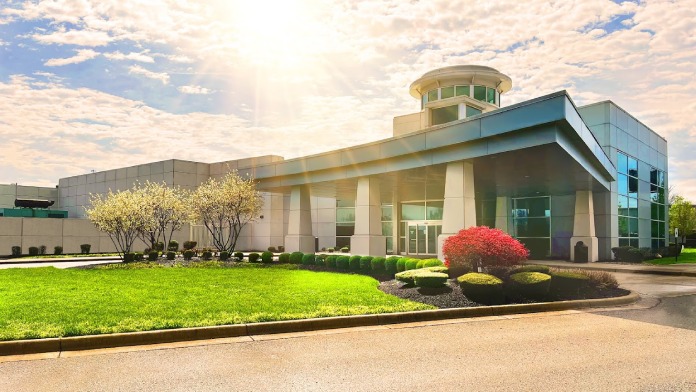
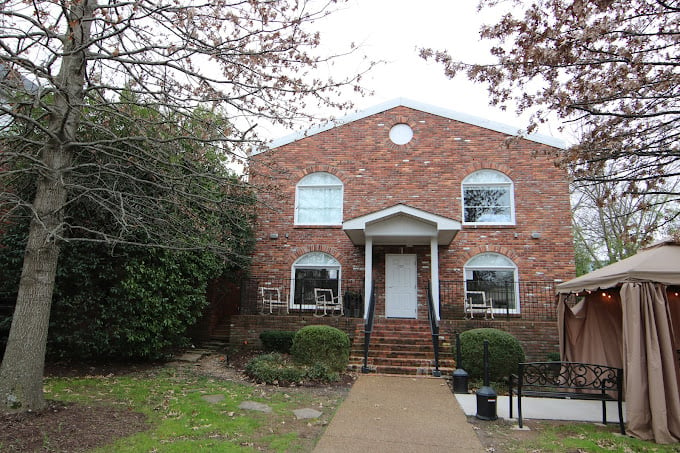
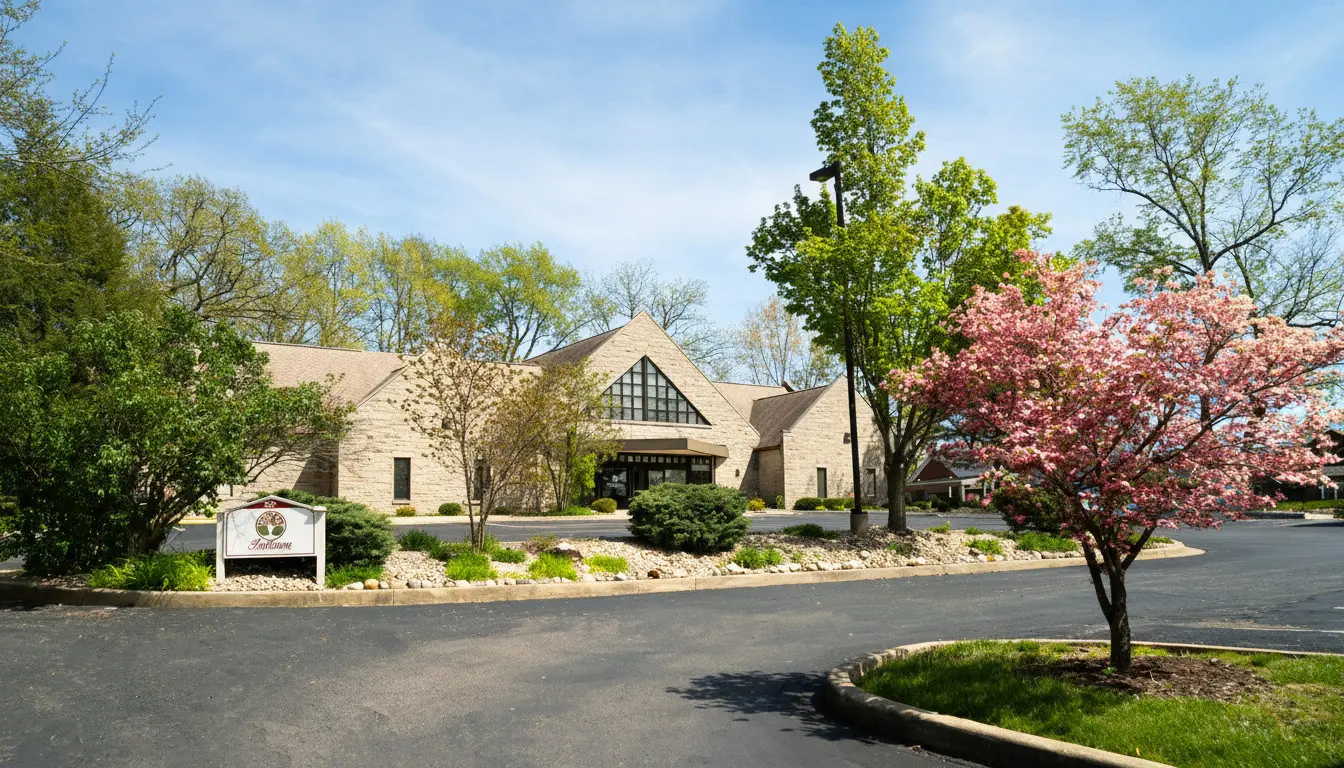
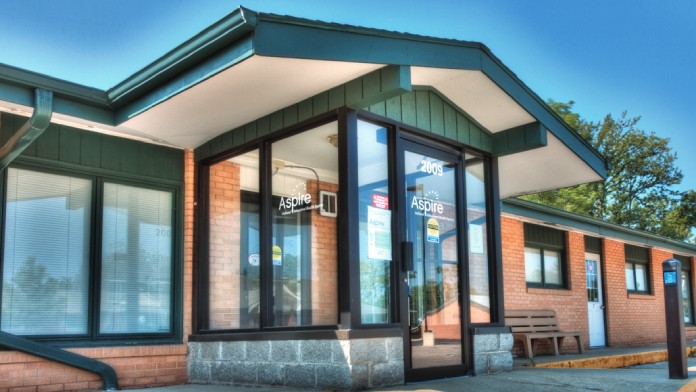
The center also provides counseling, psychiatric care, a telephone crisis line and a mobile crisis response team. Residential care, sober living and virtual visits are not available at this location.
Cognitive Behavioral Therapy and Medication
Centerstone includes cognitive behavioral therapy among its clinical approaches, which generally means working on the link between a thought, the feeling it brings and the action that follows. Medication-assisted treatment is part of the program as well, where a medication for a substance use disorder is prescribed alongside counseling.
The Gallatin site also works with co-occurring disorders, so dual diagnosis care brings a mental health condition and a substance use disorder into one treatment plan, since each tends to drive the other. Centerstone is CARF accredited and operates as a nonprofit organization.
Most federal, state and private plans are accepted, Medicare, Medicaid and TRICARE among them. Staff review the payment options with people and determine who qualifies for grant money or help paying based on need, and no one is denied care over inability to pay.
People paying out of pocket are billed for the whole charge when care is rendered.
I simply LOVE my therapist Matt S. He is SUPER professional and meant to be do what he does. I look forward to each and EVERY session. I leave feeling like a well adjusted human and productive citizen!!!
Ms. Rebeka is a doll!!! She is forever rrady to assist me with whatever she is able to do. I am EXTREMELY grateful for the Summer Hall location in Gallatin, Tn.
Ms. Darlene, Ms. Ciara are such sweethearts ALL of the time!
And my med. Provider Christy! They are a beautiful team!!! 🩷💛🤍🫴🏾🕊
Response from the owner1 week ago
Wow Mz. Her Mee, we are delighted to receive a 5-star rating! Thank you so much for your kind words about our team. We are excited to share this with them!
We have gone to the Centerstone in Nashville the past 10 yrs then our Dr. Moved away, since coming to centerstone in Gallatin it's been a true blessing. Dr. Nyesha Waters has been wonderful with my children. She listens and ask lots of questions which I truly appreciate. She's patient and leave plenty of room for me to express things about my children and we together come up with the best care for them. I truly appreciate her hearing me as a parent and not just giving her opinion based on books or paper. Every person is different and need different therapy. The ladies in the office were very helpful and caring towards my children. I truly appreciate Centerstone and all they do. I know it can't be easy dealing with all the different personalities, and challenges some people have. Thank you all for all you choose to do. God bless you all!
Response from the owner1 week ago
Thank you Sherry, we love to hear such great things about Dr. Nyesha Waters. We can’t wait to share this comment with our team!
I put 5 stars because of what you do for people, I am posting this review in attempts of finding volunteering options in Gallatin Tennessee for my peer recovery certification, I now have a chance to do something great with my life, unfortunately I do not have the best transportation and was told the only I mean literally only place I can volunteer is at Centerstone's Madison location! I have contacted everyone even Volunteer Behavioral Health and they said Murfreesboro, I have over ten years of sobriety from street drugs and alcahol and I just think it is a shame that Gallatin Tennessee has no options, I would be willing to pick up patients for appointments or do whatever anyone needs help with, I could visit patients struggling with addiction or mental issues! I know now why not many people get their peer recovery certification now because it is so hard to find volunteering options! I think it is shameful, but at least you offer it in Madison so thank you but it just seems my story and my willingness to help other's could somehow help at the Gallatin location as well!
Response from the owner1 week ago
Link, your wonderful feedback and rating mean a lot to us.
Scoring is assigned by a proprietary system which helps surface key metrics that determine quality. The 10-point scale factors in categories such as operations, customer satisfaction, and trust metrics. Read Full Methodology
6.8 / 10
Gallery
Accepted Insurance
Please contact to verify your specific insurance provider.
Centerstone works with several private insurance providers, please contact to verify your specific insurance provider.
Private insurance refers to any kind of healthcare coverage that isn't from the state or federal government. This includes individual and family plans offered by an employer or purchased from the Insurance Marketplace. Every plan will have different requirements and out of pocket costs so be sure to get the full details before you start treatment.
Self-pay involves paying for treatment out of your own pocket. You can use savings or credit, get a personal loan, or receive help from family and friends to fund your treatment. If you don't have insurance or your insurance plan doesn't cover a specific program, self-pay can help ensure you still get the care you need.
Financial aid can take many forms. Centers may have grants or scholarships available to clients who meet eligibility requirements. Programs that receive SAMHSA grants may have financial aid available for those who need treatment as well. Grants and scholarships can help you pai for treatment without having to repay.
Medicare is a federal program that provides health insurance for those 65 and older. It also serves people under 65 with chronic and disabling health challenges. To use Medicare for addiction treatment you need to find a program that accepts Medicare and is in network with your plan. Out of pocket costs and preauthorization requirements vary, so always check with your provider.
Military members, veterans, and eligible dependents have access to specific insurance programs that help them get the care they need. TRICARE and VA insurance can help you access low cost or no cost addiction and mental health treatment. Programs that accept military insurance often have targeted treatment focused on the unique challenges military members, veterans, and their families face.
Medicaid is a state based program that helps lower-income individuals and families pay for healthcare. Medicaid covers addiction treatment so those enrolled can use their coverage to pay for rehab. When a program accepts Medicaid the client often pays very little or nothing out of their own pocket.
Addiction Treatments
Levels of Care
Outpatient Programs (OP) are for those seeking mental rehab or drug rehab, but who also stay at home every night. The main difference between outpatient treatment (OP) and intensive outpatient treatment (IOP) lies in the amount of hours the patient spends at the facility. Most of the time an outpatient program is designed for someone who has completed an inpatient stay and is looking to continue their growth in recovery. Outpatient is not meant to be the starting point, it is commonly referred to as aftercare.
Residential treatment programs are those that offer housing and meals in addition to substance abuse treatment. Rehab facilities that offer residential treatment allow patients to focus solely on recovery, in an environment totally separate from their lives. Some rehab centers specialize in short-term residential treatment (a few days to a week or two), while others solely provide treatment on a long-term basis (several weeks to months). Some offer both, and tailor treatment to the patient's individual requirements.
Treatments
Many of those suffering from addiction also suffer from mental or emotional illnesses like schizophrenia, bipolar disorder, depression, or anxiety disorders. Rehab and other substance abuse facilities treating those with a dual diagnosis or co-occurring disorder administer psychiatric treatment to address the person's mental health issue in addition to drug and alcohol rehabilitation.
Mental health rehabs focus on helping individuals recover from mental illnesses like bipolar disorder, clinical depression, anxiety disorders, schizophrenia, and more. Mental health professionals at these facilities are trained to understand and treat mental health issues, both in individual and group settings.
Programs
You can get substance use treatment here as an adult. Children can too. It's not adults-only.
Young adulthood can be an exciting, yet difficult, time of transition. Individuals in their late teens to mid-20s face unique stressors related to school, jobs, families, and social circles, which can lead to a rise in substance use. Rehab centers with dedicated young adult programs will include activities and amenities that cater to this age group, with an emphasis on specialized counseling, peer socialization, and ongoing aftercare.
Serving in the military is both mentally and physically challenging, and can result in trauma that persists even after combat ends. Military programs are tailored to the specific and often complex needs of active duty personnel, veterans, and military families. Clients often access these programs through the U.S. Department of Veterans Affairs (VA).
Clinical Services
Cognitive Behavioral Therapy (CBT) is a therapy modality that focuses on the relationship between one's thoughts, feelings, and behaviors. It is used to establish and allow for healthy responses to thoughts and feelings (instead of unhealthy responses, like using drugs or alcohol). CBT has been proven effective for recovering addicts of all kinds, and is used to strengthen a patient's own self-awareness and ability to self-regulate. CBT allows individuals to monitor their own emotional state, become more adept at communicating with others, and manage stress without needing to engage in substance abuse.
Dialectical Behavior Therapy (DBT) is a modified form of Cognitive Behavioral Therapy (CBT), a treatment designed to help people understand and ultimately affect the relationship between their thoughts, feelings, and behaviors. DBT is often used for individuals who struggle with self-harm behaviors, such as self-mutilation (cutting) and suicidal thoughts, urges, or attempts. It has been proven clinically effective for those who struggle with out-of-control emotions and mental health illnesses like Borderline Personality Disorder.
Group therapy is any therapeutic work that happens in a group (not one-on-one). There are a number of different group therapy modalities, including support groups, experiential therapy, psycho-education, and more. Group therapy involves treatment as well as processing interaction between group members.
In individual therapy, a patient meets one-on-one with a trained psychologist or counselor. Therapy is a pivotal part of effective substance abuse treatment, as it often covers root causes of addiction, including challenges faced by the patient in their social, family, and work/school life.
Trauma therapy addresses traumatic incidents from a client's past that are likely affecting their present-day experience. Trauma is often one of the primary triggers and potential causes of addiction, and can stem from child sexual abuse, domestic violence, having a parent with a mental illness, losing one or both parents at a young age, teenage or adult sexual assault, or any number of other factors. The purpose of trauma therapy is to allow a patient to process trauma and move through and past it, with the help of trained and compassionate mental health professionals.
Whether a marriage or other committed relationship, an intimate partnership is one of the most important aspects of a person's life. Drug and alcohol addiction affects both members of a couple in deep and meaningful ways, as does rehab and recovery. Couples therapy and other couples-focused treatment programs are significant parts of exploring triggers of addiction, as well as learning how to build healthy patterns to support ongoing sobriety.
Research clearly demonstrates that recovery is far more successful and sustainable when loved ones like family members participate in rehab and substance abuse treatment. Genetic factors may be at play when it comes to drug and alcohol addiction, as well as mental health issues. Family dynamics often play a critical role in addiction triggers, and if properly educated, family members can be a strong source of support when it comes to rehabilitation.
Nutrition therapy, aka medical nutrition therapy (MNT), is a way of treating physical, emotional, and medical conditions through diet. Specific dietary plans are designed by professional nutritionists or registered dietitians, and patients follow them in order to positively affect their physical and mental health.
Experiential therapy is a form of therapy in which clients are encouraged to surface and work through subconscious issues by engaging in real-time experiences. Experiential therapy departs from traditional talk therapy by involving the body, and having clients engage in activities, movements, and physical and emotional expression. This can involve role-play or using props (which can include other people). Experiential therapy can help people process trauma, memories, and emotion quickly, deeply, and in a lasting fashion, leading to substantial and impactful healing.
To quit smoking, you can use nicotine replacement therapy and gradually reduce the amount of nicotine you consume. This allows your brain and body to adjust so you can reach your goal of breaking free from cigarettes in just a few weeks.
Staff
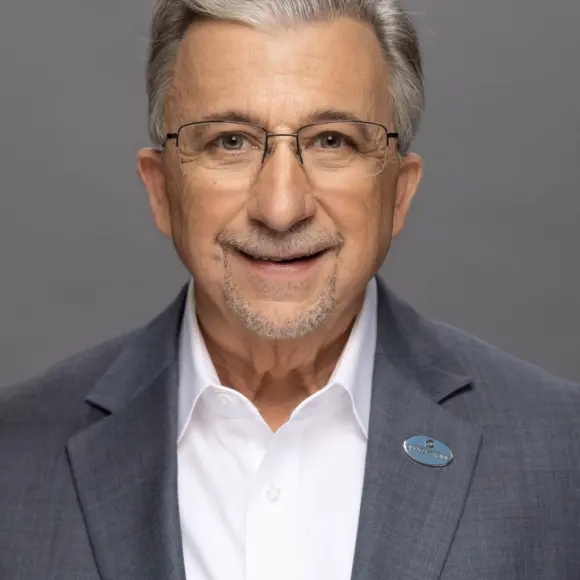
David Guth
CEO
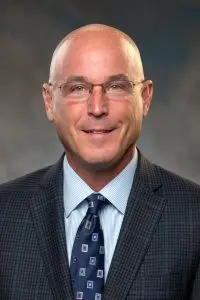
Kevin Norton
COO
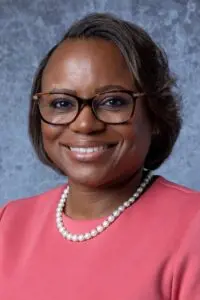
Carol Bean, MBA
CFO
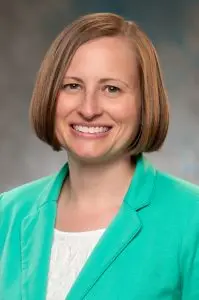
April Van Epps
Chief of Staff
Jason Hernandez, EdD, MBA
Chief Human Resources Officer
Prasad Kodali
CIO
Johnel Reid
Chief Marketing Officer
Tyler Roebke, JD
Chief Compliance Officer
Rehab.com regularly reviews this listing for accuracy but changes may occur between updates. For the most up-to-date information, please contact Centerstone.
A lot of patience is needed to be able to treat people with delicate conditions such as an addiction and patience is exactly what people working at Centerstone lack, it seemed like they just wanted to hurry the process as much as possible.
I simply LOVE my therapist Matt S. He is SUPER professional and meant to be do what he does. I look forward to each and EVERY session. I leave feeling like a well adjusted human and productive citizen!!!
Ms. Rebeka is a doll!!! She is forever rrady to assist me with whatever she is able to do. I am EXTREMELY grateful for the Summer Hall location in Gallatin, Tn.
Ms. Darlene, Ms. Ciara are such sweethearts ALL of the time!
And my med. Provider Christy! They are a beautiful team!!! 🩷💛🤍🫴🏾🕊
Response from the owner
Wow Mz. Her Mee, we are delighted to receive a 5-star rating! Thank you so much for your kind words about our team. We are excited to share this with them!
Sherry Jackson-Cooper
2 months ago
5
We have gone to the Centerstone in Nashville the past 10 yrs then our Dr. Moved away, since coming to centerstone in Gallatin it's been a true blessing. Dr. Nyesha Waters has been wonderful with my children. She listens and ask lots of questions which I truly appreciate. She's patient and leave plenty of room for me to express things about my children and we together come up with the best care for them. I truly appreciate her hearing me as a parent and not just giving her opinion based on books or paper. Every person is different and need different therapy. The ladies in the office were very helpful and caring towards my children. I truly appreciate Centerstone and all they do. I know it can't be easy dealing with all the different personalities, and challenges some people have. Thank you all for all you choose to do. God bless you all!
Response from the owner
Thank you Sherry, we love to hear such great things about Dr. Nyesha Waters. We can’t wait to share this comment with our team!
Link Mcclain
10 months ago
5
I put 5 stars because of what you do for people, I am posting this review in attempts of finding volunteering options in Gallatin Tennessee for my peer recovery certification, I now have a chance to do something great with my life, unfortunately I do not have the best transportation and was told the only I mean literally only place I can volunteer is at Centerstone's Madison location! I have contacted everyone even Volunteer Behavioral Health and they said Murfreesboro, I have over ten years of sobriety from street drugs and alcahol and I just think it is a shame that Gallatin Tennessee has no options, I would be willing to pick up patients for appointments or do whatever anyone needs help with, I could visit patients struggling with addiction or mental issues! I know now why not many people get their peer recovery certification now because it is so hard to find volunteering options! I think it is shameful, but at least you offer it in Madison so thank you but it just seems my story and my willingness to help other's could somehow help at the Gallatin location as well!
Response from the owner
Link, your wonderful feedback and rating mean a lot to us.
Hailey L
10 months ago
1
If I could leave zero stars I sure would. I have been dealing with Centerstone for my medication for many years now and not a single appointment has been easy to come by. The amount of times they will cancel your appointment and then tell you to call back at a later date to reschedule is so incredibly frustrating. Several times I’ve had to reschedule because THEY have cancelled my appointment only for the receptionists to scold me about making it to my appointments on time. Had one tell me once that if I can’t make it to my appointments then I will be dropped from care. As if they weren’t the ones cancelling my appointments in the first place???
I’ve had insurance issues a few times and it was like pulling teeth to get an appointment set up before my insurance ran out. Had an appointment set the day before my insurance got cancelled, reiterated over and over how important it was to get this appointment in because I cannot afford the over 100$ appointment cost. And what did they do? Cancel my appointment.
I’m on a medication that requires daily use. If I miss a day I have to start my dose all the way at the beginning or it could cause serious medical issues (seizures, Steven Johnson’s, etc). Trying to get refills when they’re cancelling my appointments left and right has left me so so angry, exhausted, and far more stressed and anxious than I would be without my medication. Go to a PCP if you have the option or quite literally anywhere else. This place is diabolical.
Response from the owner
Hi Hailey, we appreciate you taking the time to provide feedback. If you’re open to sharing more, please reach out to (615) 436-6665.
Sharing your insights and experiences can help others learn more about this rehab center.
Centerstone FAQs
How do you pay for services at Centerstone?
Most federal, state and private health insurance is accepted. Medicare, Medicaid and TRICARE are on that list. Out of pocket, the full bill is due when you’re seen. Inability to pay doesn’t get you denied. Customer care staff ask about grant funding and about assistance tied to what you can pay. See insurance coverage for rehab.
Does Centerstone treat adults, children or both?
Both. Substance use treatment is open to adults and children. Children and family services are offered too. A child isn’t limited to the family line, and an adult isn’t the only person who can get substance use care. Addiction recovery and outpatient care are also at this location.
Can you reach crisis help by phone or in person?
Yes. There’s a telephone crisis line, mobile crisis response and crisis services. You can also get counseling, addiction recovery, outpatient care and psychiatric care at this location. Children and family services are in that same set. Crisis help isn’t only a phone call, and it isn’t only a visit.
Is the Gallatin program run by a nonprofit?
Yes. Centerstone is a nonprofit organization. It runs this Gallatin location, where addiction recovery, outpatient care, psychiatric care and crisis services are all offered. The nonprofit status is about the operator, not a separate treatment track.
By calling the helpline you agree to the terms of use. We do not receive any commission or fee that is dependent upon which treatment provider a caller chooses. There is no obligation to enter treatment.
Calls to numbers on a specific treatment center listing will be routed to that treatment center. Calls to any general helpline could be forwarded to SAMHSA or a verified treatment provider.
If you wish to connect with non-sponsor centers, you can browse top-rated listings, visit our homepage and browse by state, or visit SAMHSA.

 Sponsored Helpline












































 1