





























































































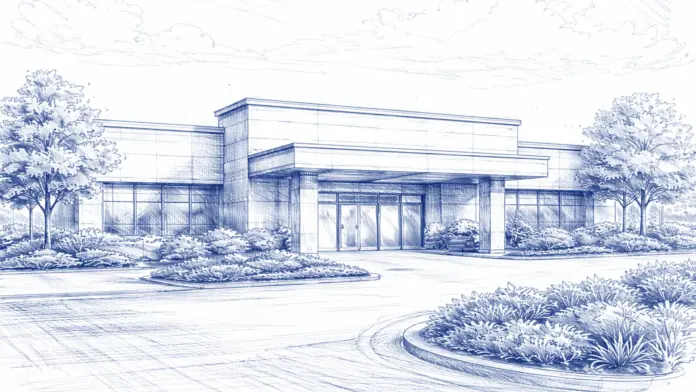
About Chattanooga Recovery Center
Chattanooga Recovery Center is a substance use treatment program in Chattanooga, Tennessee offering flexible outpatient care for adults facing addiction, trauma and co-occurring mental health concerns.
The center provides partial hospitalization and intensive outpatient, standard outpatient and night outpatient programs.
With an emphasis on transparent, individualized and holistic care, the program helps clients recover while continuing parts of daily life.
Addiction Programs and Detox
Clients may begin with medication assisted treatment, a detox supportive medical option for those who need help stopping drugs or alcohol.
From there, the continuum includes partial hospitalization, intensive outpatient and standard or night outpatient care to fit varying levels of need and daily responsibilities.
Programs combine therapy with evidence based modalities such as cognitive behavioral therapy, dialectical behavior therapy and EMDR.
Experiential offerings including equine therapy, adventure based counseling and neurofeedback support trauma recovery and co-occurring mental health treatment.
Key Facts
- Location: Chattanooga, Tennessee near Renaissance Park, with bus access and on site parking
- Levels of care: PHP, IOP and standard outpatient, night outpatient and medication assisted treatment
- Who they treat: Adult men and women with substance use, trauma and co-occurring mental health disorders
- Approach: Trauma informed, individualized and holistic care blending traditional therapy with wellness programming
- Payment options: Accepts most major private insurers including Cigna and Aetna, BlueCross BlueShield and Humana, plus self pay
- Special features: Equine therapy and adventure outings, fitness classes and in person or online services
Latest Reviews



Rehab Score
 Our Methodology


Location
Other Forms of Payment
Private insurance refers to any kind of healthcare coverage that isn't from the state or federal government. This includes individual and family plans offered by an employer or purchased from the Insurance Marketplace. Every plan will have different requirements and out of pocket costs so be sure to get the full details before you start treatment.
Self-pay involves paying for treatment out of your own pocket. You can use savings or credit, get a personal loan, or receive help from family and friends to fund your treatment. If you don't have insurance or your insurance plan doesn't cover a specific program, self-pay can help ensure you still get the care you need.
Addiction Treatments
Levels of Care
A partial hospitalization program (PHP) is an intensive outpatient option for those with moderate to severe addictions, allowing you to return home at the end of the day. It can be an alternative to hospitalization or used as a step-down option. PHP treatment requires a minimum of 20 hours of treatment per week for an average of 90 days. Depending on your needs, PHP treatment includes relapse prevention, medication management, and behavioral therapy services. PHP treatment is often covered by providers.
Clients in intensive outpatient programs (IOP) receive robust, personalized care to support their reintegration into their community. Clients stepping down from inpatient treatment frequently enroll in IOP before entering standard outpatient care or community-based recovery programs, such as AA. Intensive outpatient treatment generally involves between nine and 20 therapeutic hours weekly, with the frequency and duration of sessions decreasing as clients stabilize. IOP services commonly include counseling, recovery education, holistic therapies, and medication assisted treatment (MAT).
Outpatient rehabs enable clients to receive care without leaving their home, workplace, and community. Clients typically receive intensive addiction counseling, including individual, group, and family therapy. Many programs promote clients' long-term sobriety through recovery-focused life skills training and ancillary services, such as peer coaching. Medication assisted treatment (MAT), including medication induction and maintenance, are common in outpatient care. Most facilities offer multiple levels of care to accommodate clients' evolving needs, including intensive outpatient (IOP) and standard outpatient programming.
Treatments
Alcohol use disorder (AUD) is a treatable condition characterized by uncontrolled consumption of alcohol which continues despite negative consequences. Treatment options for alcohol addiction include inpatient or outpatient alcohol rehab in Tennessee. Therapeutic methods include group and individual therapy, medication, and holistic therapies. Aftercare is often provided through 12-step support groups, which offer ongoing accountability and encouragement.
When your day-to-day life is taken over by drug use, this is known as substance use disorder. If you abruptly stop using your drug of choice, you experience withdrawal symptoms. To overcome this cycle, professional drug rehab in Tennessee is usually needed.
If you have a co-occurring mental health condition and an addiction, you'll want to address both conditions at the same time, under the same roof. If you only address the mental health disorder, you'll likely continue using drugs, which tends to make mental health issues even worse. On the other hand, if you only address the addiction, the symptoms of your mental health disorder will make it very hard to succeed in recovery.
Clinical Services
Typical cognitive behavioral therapy in Tennessee involves recognizing negative thinking and learning techniques to change that thinking and create new, positive behaviors. Strategies may include SMART goals, journaling, and situation exposure.
Counseling in Tennessee that takes a dialectical behavior therapy approach can last from six to 12 months. During that time, you'll develop skills in the areas of distress tolerance, mindfulness, emotional regulation, and interpersonal effectiveness.
Men and women in Tennessee undergoing one on one individual therapy sessions focus on understanding their unique needs and challenges. They do this under the guidance of an experienced therapist who can help you identify and address addiction triggers as well as create personalized relapse prevention plans. This offers you a customized path to a successful recovery journey.
In Tennessee, group therapy sessions for drug and alcohol addiction typically involve skill development to help you learn communication techniques and relapse prevention strategies. These strategies support your transition into the community and help you maintain long term sobriety.
Accreditations

The Joint Commission, formerly known as JCAHO, is a nonprofit organization that accredits rehab organizations and programs. Founded in 1951, the Joint Commision's mission is to improve the quality of patient care and demonstrating the quality of patient care.
Joint Commission Accreditation: Yes

LegitScript has reviewed Chattanooga Recovery Center as part of their certification program, and has determined that it meets the LegitScript standards for legality, safety and transparency.
LegitScript verified in
Rehab.com regularly reviews this listing for accuracy but changes may occur between updates. For the most up-to-date information, please contact Chattanooga Recovery Center.
Contact Information


13 W Kent St, Chattanooga, TN 37405
Sponsored Helpline


