





























































































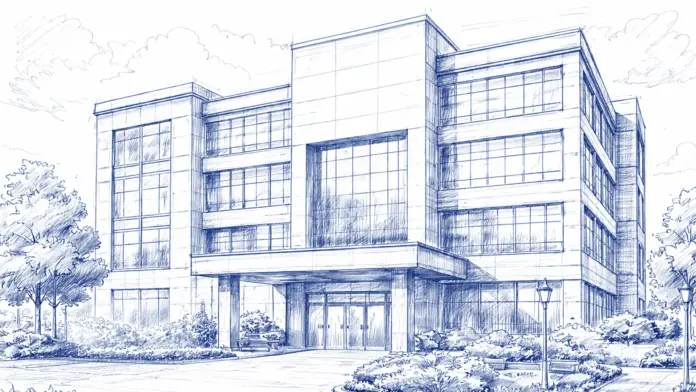
About Child & Family Services
Child & Family Services is a Knoxville, Tennessee based substance use treatment provider, associated with the Great Starts program, offering specialized care for women, mothers and families.
The facility provides treatment for alcohol use, opioid addiction and other substance use concerns through a blend of clinical services and supportive housing.
Their family centered approach is designed to help mothers pursue recovery without being separated from their children, creating a foundation for lasting change.
Recovery Support for Mothers with Residential Beds
Child & Family Services focuses on supporting women, including pregnant and postpartum mothers, as they work toward recovery from substance use.
The program is uniquely positioned to serve mothers with young children, with residential beds available for clients and their kids.
Treatment can include family therapy alongside core addiction services, helping clients rebuild relationships while addressing the root causes of substance use.
The integrated model allows mothers to engage in structured recovery while maintaining the parent-child bond that supports long-term healing.
Transitional Housing and Therapeutic Nursery
Beyond clinical care, the Great Starts component at this Knoxville address offers transitional housing and an on-site therapeutic nursery.
This combined housing-and-support model gives mothers a stable environment to focus on recovery while their children receive nurturing care in the same setting.
Getting Started in Knoxville
Child & Family Services operates in person on Keith Avenue in Knoxville, Tennessee, offering outpatient, intensive outpatient, partial hospitalization and residential levels of care for individuals navigating substance use challenges.
Payment assistance may be available, though prospective clients are encouraged to confirm specific insurance and self-pay options directly with the facility.

Rehab Score
 Our Methodology


Location
Addiction Treatments
Levels of Care
Outpatient rehabs enable clients to receive care without leaving their home, workplace, and community. Clients typically receive intensive addiction counseling, including individual, group, and family therapy. Many programs promote clients' long-term sobriety through recovery-focused life skills training and ancillary services, such as peer coaching. Medication assisted treatment (MAT), including medication induction and maintenance, are common in outpatient care. Most facilities offer multiple levels of care to accommodate clients' evolving needs, including intensive outpatient (IOP) and standard outpatient programming.
Inpatient rehabs are designed principally for clients who require intensive supervision and support, including clients who have just completed detox, clients in early recovery, and clients at an elevated risk of relapse. Inpatient treatment helps clients stabilize following detox and prepares them to step-down into outpatient and/or community-based care. Clients reside at the facility for the duration of their program and engage in extensive addiction counseling and education. Many programs also offer evidence-based complementary therapies.
Clients in intensive outpatient programs (IOP) receive robust, personalized care to support their reintegration into their community. Clients stepping down from inpatient treatment frequently enroll in IOP before entering standard outpatient care or community-based recovery programs, such as AA. Intensive outpatient treatment generally involves between nine and 20 therapeutic hours weekly, with the frequency and duration of sessions decreasing as clients stabilize. IOP services commonly include counseling, recovery education, holistic therapies, and medication assisted treatment (MAT).
A partial hospitalization program (PHP) is an intensive outpatient option for those with moderate to severe addictions, allowing you to return home at the end of the day. It can be an alternative to hospitalization or used as a step-down option. PHP treatment requires a minimum of 20 hours of treatment per week for an average of 90 days. Depending on your needs, PHP treatment includes relapse prevention, medication management, and behavioral therapy services. PHP treatment is often covered by providers.
Treatments
The goal of treatment for alcoholism is abstinence. Those with poor social support, poor motivation, or psychiatric disorders tend to relapse within a few years of treatment. For these people, success is measured by longer periods of abstinence, reduced use of alcohol, better health, and improved social functioning. Recovery and Maintenance are usually based on 12 step programs and AA meetings.
When your day-to-day life is taken over by drug use, this is known as substance use disorder. If you abruptly stop using your drug of choice, you experience withdrawal symptoms. To overcome this cycle, professional drug rehab in Tennessee is usually needed.
Opioid rehabs specialize in supporting those recovering from opioid addiction. They treat those suffering from addiction to illegal opioids like heroin, as well as prescription drugs like oxycodone. These centers typically combine both physical as well as mental and emotional support to help stop addiction. Physical support often includes medical detox and subsequent medical support (including medication), and mental support includes in-depth therapy to address the underlying causes of addiction.
Substance rehabs focus on helping individuals recover from substance abuse, including alcohol and drug addiction (both illegal and prescription drugs). They often include the opportunity to engage in both individual as well as group therapy.
Clinical Services
Research clearly demonstrates that recovery is far more successful and sustainable when loved ones like family members participate in rehab and substance abuse treatment. Genetic factors may be at play when it comes to drug and alcohol addiction, as well as mental health issues. Family dynamics often play a critical role in addiction triggers, and if properly educated, family members can be a strong source of support when it comes to rehabilitation.
Rehab.com regularly reviews this listing for accuracy but changes may occur between updates. For the most up-to-date information, please contact Child & Family Services.
Contact Information


2601 Keith Avenue
Knoxville TN, 37921
Sponsored Helpline

