





























































































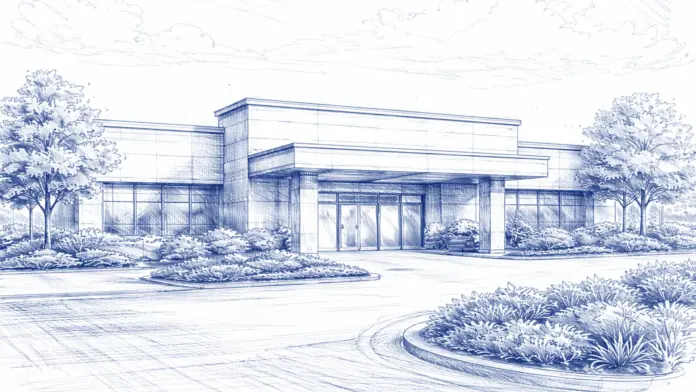
About Coral Vitality
Coral Vitality is a drug and alcohol rehab in Las Cruces, New Mexico, offering substance use treatment for teens, adults and military or veteran populations.
The program provides both residential and outpatient levels of care for individuals struggling with alcoholism, opioid addiction and other substance use disorders.
Coral Vitality emphasizes therapies designed to support lasting recovery across different life stages and life experiences.
Addiction Treatment Programs at Coral Vitality
After an assessment, clients can enter residential treatment for immersive, longer-term support or outpatient treatment for those who need flexibility to live at home while attending therapy.
Clients can expect a blend of clinical approaches, including Cognitive Behavioral Therapy (CBT), Dialectical Behavior Therapy (DBT), family therapy and individual counseling.
Specialty tracks address the distinct needs of teens, adults and veterans navigating recovery.
Quick Facts About Coral Vitality
- Location: 121 Wyatt Dr Ste. #18, Las Cruces, New Mexico
- Levels of care: Residential (inpatient) and outpatient addiction treatment
- Who they treat: Teens, adults and military or veteran populations with substance use disorders
- Approach: Evidence based therapies including CBT, DBT, family therapy and individual therapy
- Payment options: Aetna, Cigna, Medicaid, Medicare, private insurance and self-pay
- Amenities: Private rooms and WiFi
- Licensure: State-licensed in New Mexico
Facility Overview
 91+
91+ 
Rehab Score
 Our Methodology


Location
Accepted Insurance
Other Forms of Payment
Medicaid is a state based program that helps lower-income individuals and families pay for healthcare. Medicaid covers addiction treatment so those enrolled can use their coverage to pay for rehab. When a program accepts Medicaid the client often pays very little or nothing out of their own pocket.
Medicare is a federal program that provides health insurance for those 65 and older. It also serves people under 65 with chronic and disabling health challenges. To use Medicare for addiction treatment you need to find a program that accepts Medicare and is in network with your plan. Out of pocket costs and preauthorization requirements vary, so always check with your provider.
Private insurance refers to any kind of healthcare coverage that isn't from the state or federal government. This includes individual and family plans offered by an employer or purchased from the Insurance Marketplace. Every plan will have different requirements and out of pocket costs so be sure to get the full details before you start treatment.
Self-pay involves paying for treatment out of your own pocket. You can use savings or credit, get a personal loan, or receive help from family and friends to fund your treatment. If you don't have insurance or your insurance plan doesn't cover a specific program, self-pay can help ensure you still get the care you need.
Addiction Treatments
Levels of Care
Inpatient rehabs are often clients' first stage of treatment following detox, and many, but not all, provide medically supervised detox services in the same inpatient facility. Clients in inpatient treatment receive intensive clinical support and supervision. They reside at the treatment center for the duration of the program and typically engage in multiple addiction counseling sessions and/or recovery-focused life skills courses each day. Many treatment centers also offer evidence-based complementary therapies, such as yoga and meditation.
Clients enrolled in outpatient rehab programs may receive daily, biweekly, or weekly treatment while continuing to live at home. This enables clients to integrate their recovery care plan into their routine work and family schedule. Addiction counseling, recovery-focused life skills training, and medication assisted treatment (MAT) are the most common services offered at outpatient centers, but many also provide holistic therapies, such as meditation and massage, and ancillary services, such as career coaching.
Treatments
Ranging from mild to severe, alcohol use disorder is a condition characterized by drinking to the point of causing harm or distress. Recovery from this alcohol addiction takes time and commitment. Alcohol rehab in New Mexico can provide the resources necessary to overcome alcoholism. Through detox, psychotherapy, and social supports, participants gain the skills they need to achieve and maintain sobriety.
Each drug rehab in New Mexico offers unique amenities and treatment methods. Common aspects of treatment include group and individual counseling, recreational therapy, medication management, and healthy living. Aftercare is often provided to prevent relapse.
 Opioid Addiction
For residents of New Mexico struggling with drug or alcohol addiction, substance abuse treatment is available on an inpatient and outpatient basis. These programs integrate evidence-based therapies such as cognitive-behavioral therapy (CBT), dialectical behavior therapy (DBT), acceptance and commitment therapy, and mindfulness-based interventions to help you reframe unhelpful thoughts, develop more healthy coping strategies, and give you the tools to sustain your recovery.
Programs
Teen programs are designed to address the unique pressures teens face, pressures that can drive them to experiment with dangerous, addictive substances. They need programs that meet them exactly where they are and give them tools for long-term recovery. Therapy can help teenagers understand and work through underlying issues so they can reclaim the life ahead of them.
Adult rehab programs include therapies tailored to each client's specific needs, goals, and recovery progress. They are tailored to the specific challenges adult clients may face, including family and work pressures and commitments. From inpatient and residential treatment to various levels of outpatient services, there are many options available. Some facilities also help adults work through co-occurring conditions, like anxiety, that can accompany addiction.
Serving in the military is both mentally and physically challenging, and can result in trauma that persists even after combat ends. Military programs are tailored to the specific and often complex needs of active duty personnel, veterans, and military families. Clients often access these programs through the U.S. Department of Veterans Affairs (VA).
Clinical Services
When you participate in cognitive behavioral therapy in New Mexico you can expect to follow a structured four step process. This involves identifying life challenges, identifying inaccurate thinking about those challenges, changing those thought patterns to healthy ones, and changing the resulting behaviors.
Weekly dialectical behavior therapy (DBT) sessions involve one on one meetings with your therapist. Each session lasts about an hour. You'll work on identifying and accepting your emotions while also learning how to manage them. Additionally, weekly 90 minute group DBT sessions give you the opportunity to develop and practice coping skills.
Therapists in New Mexico focus on creating a supportive network in family therapy sessions. This helps to support their loved one's recovery journey. By identifying dysfunctional patterns, your therapist can help you develop healthier ways of interacting with each other that significantly improve the overall treatment outcome.
Individual therapy offers men and women a customized approach to explore the root causes of their substance use and develop healthy coping mechanisms. This improves the effectiveness of treatment and helps to foster long term sobriety. Sessions usually involve an in depth exploration of your life experiences, including harmful behaviors and thoughts that drive addictive behavior.
Amenities
-
 Private Rooms
 -
 WiFi
WiFi
Accreditations

State Licenses are permits issued by government agencies that allow rehab organizations to conduct business legally within a certain geographical area. Typically, the kind of program a rehab facility offers, along with its physical location, determines which licenses are required to operate legally.
State License: New Mexico
Rehab.com regularly reviews this listing for accuracy but changes may occur between updates. For the most up-to-date information, please contact Coral Vitality.
Contact Information


121 Wyatt Dr Ste.#18, Las Cruces, NM 88005
Sponsored Helpline
