





























































































About Detox West Tennessee
Detox West Tennessee provides medically supervised detox that helps you maintain sobriety after treatment. Their detox center includes services for anyone experiencing substance addiction. They offer programs for opiate use disorder, including fentanyl and oxycodone, as well as programs for stimulant use, such as methamphetamines or cocaine. They also offer programs for alcohol dependence and benzodiazepine addiction.
Your recovery journey starts with a comprehensive assessment to help the team determine your health, history, and the best treatment plan for your needs. Their priority is keeping you safe and comfortable while you go through the detox process. They have experienced staff to monitor your vital signs and symptoms 24/7 so you get the most beneficial care. The medical staff tracks your progress and makes any adjustments necessary for safety.
Since many people relapse due to harsh withdrawal symptoms, Detox West Tennessee uses the appropriate treatment to offset those symptoms. They know that addiction can be complex, and their trauma-informed approach, with medical intervention, provides comprehensive treatment.
Facility Overview
 29
29 Latest Reviews



Rehab Score
 Our Methodology


Gallery
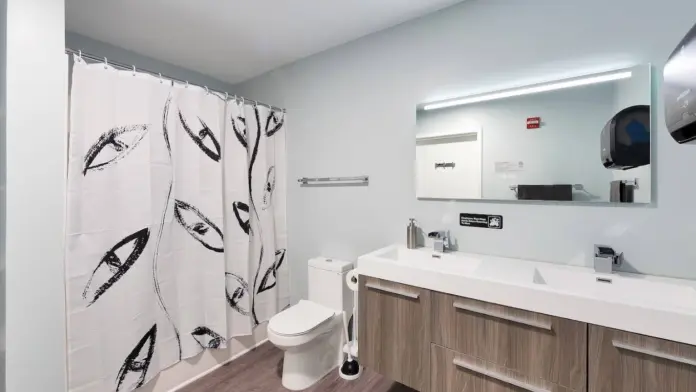
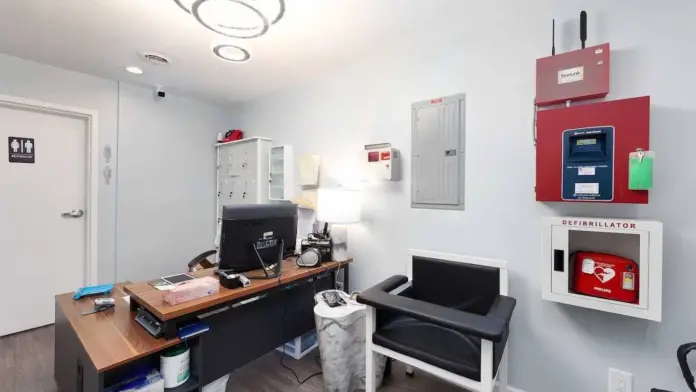

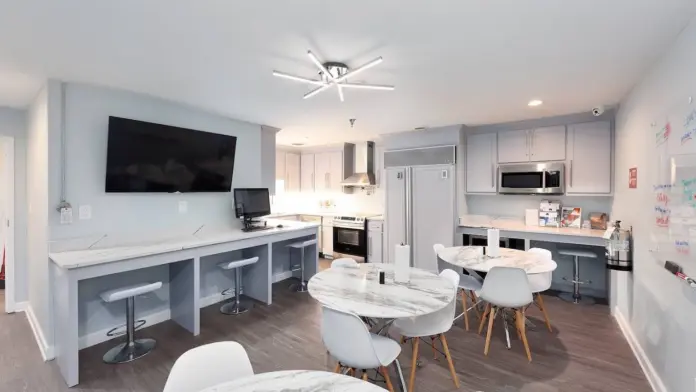

Accepted Insurance
Other Forms of Payment
Private insurance refers to any kind of healthcare coverage that isn't from the state or federal government. This includes individual and family plans offered by an employer or purchased from the Insurance Marketplace. Every plan will have different requirements and out of pocket costs so be sure to get the full details before you start treatment.
Self-pay involves paying for treatment out of your own pocket. You can use savings or credit, get a personal loan, or receive help from family and friends to fund your treatment. If you don't have insurance or your insurance plan doesn't cover a specific program, self-pay can help ensure you still get the care you need.
Financial aid can take many forms. Centers may have grants or scholarships available to clients who meet eligibility requirements. Programs that receive SAMHSA grants may have financial aid available for those who need treatment as well. Grants and scholarships can help you pai for treatment without having to repay.
Medicaid is a state based program that helps lower-income individuals and families pay for healthcare. Medicaid covers addiction treatment so those enrolled can use their coverage to pay for rehab. When a program accepts Medicaid the client often pays very little or nothing out of their own pocket.
Medicare is a federal program that provides health insurance for those 65 and older. It also serves people under 65 with chronic and disabling health challenges. To use Medicare for addiction treatment you need to find a program that accepts Medicare and is in network with your plan. Out of pocket costs and preauthorization requirements vary, so always check with your provider.
Addiction Treatments
Levels of Care
Outpatient Programs (OP) are for those seeking mental rehab or drug rehab, but who also stay at home every night. The main difference between outpatient treatment (OP) and intensive outpatient treatment (IOP) lies in the amount of hours the patient spends at the facility. Most of the time an outpatient program is designed for someone who has completed an inpatient stay and is looking to continue their growth in recovery. Outpatient is not meant to be the starting point, it is commonly referred to as aftercare.
Clients in intensive outpatient programs (IOP) receive robust, personalized care to support their reintegration into their community. Clients stepping down from inpatient treatment frequently enroll in IOP before entering standard outpatient care or community-based recovery programs, such as AA. Intensive outpatient treatment generally involves between nine and 20 therapeutic hours weekly, with the frequency and duration of sessions decreasing as clients stabilize. IOP services commonly include counseling, recovery education, holistic therapies, and medication assisted treatment (MAT).
When enrolld in an addiction recovery program that's based on the 12 step model, clients are able to cultivate recovery-focused life skills emphasizing spiritual, mental, and emotional healing. Participants receive intensive peer support in 12 step meetings, which are anonymous, free, open to the public, and available day and night in most communities. Self-selected sponsors guide sponsees through the recovery journey, cultivating self-awareness, forgiveness, acceptance, and accountability. Though these programs are rooted in spiritual principles, participants aren't required to be religiously affiliated.
A sober living home in Tennessee, also known as a halfway house, refers to a group residence for men or women who are recovering from addiction. These are usually privately owned homes or houses owned by a nonprofit or business. Most are located in quiet residential areas. Residents have their own rooms or share a room with one roommate, and they share common areas. Each resident pays rent and helps with household maintenance.
To keep you safe and comfortable during the detoxification process, a medically assisted detox provides you with a team of medical professionals who can provide the necessary medications to treat any potential withdrawal symptoms. Suddenly stopping chronic abuse of substances like alcohol, benzodiazepines, or opioids can have uncomfortable and even dangerous side effects.
Programs
Adult rehab programs include therapies tailored to each client's specific needs, goals, and recovery progress. They are tailored to the specific challenges adult clients may face, including family and work pressures and commitments. From inpatient and residential treatment to various levels of outpatient services, there are many options available. Some facilities also help adults work through co-occurring conditions, like anxiety, that can accompany addiction.
Clinical Services
In Tennessee, group therapy sessions for drug and alcohol addiction typically involve skill development to help you learn communication techniques and relapse prevention strategies. These strategies support your transition into the community and help you maintain long term sobriety.
Men and women in Tennessee undergoing one on one individual therapy sessions focus on understanding their unique needs and challenges. They do this under the guidance of an experienced therapist who can help you identify and address addiction triggers as well as create personalized relapse prevention plans. This offers you a customized path to a successful recovery journey.
If you participate in motivational interviewing in Tennessee, your therapist will focus on four key strategies: open questions, affirmation, reflections, and summarizing. Rather than confront or warn you to change, the clinician will allow you to explore your own motivations and decide what changes you may need to make in your life.
While engaged in couples therapy in Tennessee, you'll learn how to trust, communicate, forgive, and manage emotions. Developing these skills can be beneficial at any time during the relationship, but they are particularly crucial when facing life challenges.
Family therapy uses a structured environment to address the complexities of addiction and the negative influences it has on the family unit. Therapists work with family members to develop effective coping and communication strategies that support their loved one's recovery while also focusing on the health and well being of each family member.
Life skills training teaches you how to cope with challenging situations in non destructive ways. This crucial piece of drug rehab in Tennessee gives you tools for decision making, relationship building, and self care.
Creative arts therapy can be integrated with other therapeutic methods during drug rehab in Tennessee. This treatment can provide unique experiences that allow you to better understand your feelings and experiences. Methods include music, art, dance, and writing therapy.
Amenities
-
 Yoga Studio
 -
 Residential Setting
 -
 Private Rooms
 -
 Gardens
Staff & Accreditations
Staff

James Roy “Trey” Appleton III, MD
Medical Director

Dr.Ron Pruitt
Chief Medical Officer

Rachel Hardin
Director of Nursing

Hollie Sanders
Nurse Practitioner

Connor Quinn
Director of Business Development

Chris Denney
Admissions Coordinator

Hollie Ammons
Operations Manager

Davis Johnson
Admissions Coordinator
Accreditations

The Commission on Accreditation of Rehabilitation Facilities (CARF) is a non-profit organization that specifically accredits rehab organizations. Founded in 1966, CARF's, mission is to help service providers like rehab facilities maintain high standards of care.
CARF Accreditation: Yes

LegitScript has reviewed Detox West Tennessee as part of their certification program, and has determined that it meets the LegitScript standards for legality, safety and transparency.
LegitScript verified in
Rehab.com regularly reviews this listing for accuracy but changes may occur between updates. For the most up-to-date information, please contact Detox West Tennessee.
Contact Information


370 N Cumberland St
Jackson, TN 38301
Sponsored Helpline



