






























































































I needed this treatment badly. I only wish it had been around years ago. I have now been out of prison for 9 years. Longer than ever before. I don't know what else I can say about the help I've gotten. And if feel you can't get off drugs. This is the best thing going right ...
About Freedom Center LLC
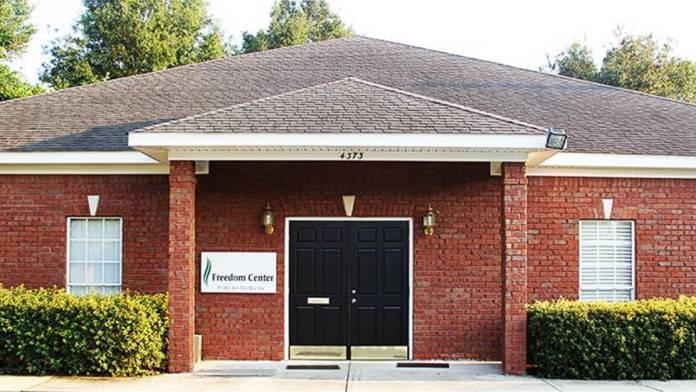
Freedom Center LLC is an outpatient addiction treatment center in Mobile, Alabama focused on helping clients overcome opioid use disorder. The clinic combines Suboxone based medication assisted treatment with counseling to support both the physical and emotional sides of recovery.
What kinds of addiction treatment does Freedom Center LLC offer?
Freedom Center LLC provides outpatient treatment built around medication assisted treatment with Suboxone. The process typically includes an intake assessment, conversion from current opioids to Suboxone, stabilization, ongoing counseling, and maintenance care to support long term recovery.
Who can get help here?
The clinic specializes in serving adults struggling with opioid use disorder including dependence on heroin and prescription opioids. It is well suited for clients seeking MAT in an outpatient setting while continuing to live at home and manage daily responsibilities.
Where is the clinic located?
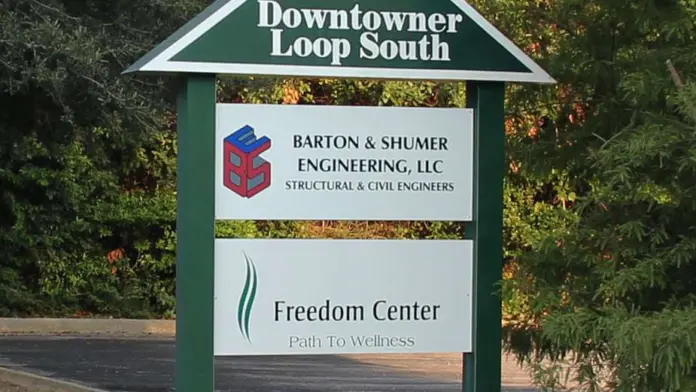
Freedom Center LLC is located on Downtowner Loop South in Mobile, Alabama. The clinic operates as a daytime outpatient facility making it accessible for clients living in and around the Mobile area.
Latest Reviews
I've gone here for years, so I've been through a few Dr's (due to me changing my day of the week or other) & more than a few front desk personnel. For the most part it's good, especially recently. They've become more reliable. It used to be hit & miss when it came to getting someone on the phone or getting a P.A. for your script. However I've still got a little PTSD from the horrors of the inconsistency before. It's a delicate business dealing w/ people in addiction & recovery so staff is & should be held to a higher standard. Dr. Seelye is very kind & understanding.
The employee's are amazing and so is the doctor.
Dr. Seelye is
very understanding and kind. They really do care and treat us as people and not addicts.

Rehab Score
 Our Methodology
Scoring is assigned by a proprietary system which helps surface key metrics that determine quality. The 10-point scale factors in categories such as operations, customer satisfaction, and trust metrics. Read Full Methodology

6.2 / 10
Gallery
Other Forms of Payment
Self-pay involves paying for treatment out of your own pocket. You can use savings or credit, get a personal loan, or receive help from family and friends to fund your treatment. If you don't have insurance or your insurance plan doesn't cover a specific program, self-pay can help ensure you still get the care you need.
Addiction Treatments
Levels of Care
Outpatient Programs (OP) are for those seeking mental rehab or drug rehab, but who also stay at home every night. The main difference between outpatient treatment (OP) and intensive outpatient treatment (IOP) lies in the amount of hours the patient spends at the facility. Most of the time an outpatient program is designed for someone who has completed an inpatient stay and is looking to continue their growth in recovery. Outpatient is not meant to be the starting point, it is commonly referred to as aftercare.
Treatments
Opioid rehabs specialize in supporting those recovering from opioid addiction. They treat those suffering from addiction to illegal opioids like heroin, as well as prescription drugs like oxycodone. These centers typically combine both physical as well as mental and emotional support to help stop addiction. Physical support often includes medical detox and subsequent medical support (including medication), and mental support includes in-depth therapy to address the underlying causes of addiction.
Substance rehabs focus on helping individuals recover from substance abuse, including alcohol and drug addiction (both illegal and prescription drugs). They often include the opportunity to engage in both individual as well as group therapy.
Programs
Adult rehab programs include therapies tailored to each client's specific needs, goals, and recovery progress. They are tailored to the specific challenges adult clients may face, including family and work pressures and commitments. From inpatient and residential treatment to various levels of outpatient services, there are many options available. Some facilities also help adults work through co-occurring conditions, like anxiety, that can accompany addiction.
Young adulthood can be an exciting, yet difficult, time of transition. Individuals in their late teens to mid-20s face unique stressors related to school, jobs, families, and social circles, which can lead to a rise in substance use. Rehab centers with dedicated young adult programs will include activities and amenities that cater to this age group, with an emphasis on specialized counseling, peer socialization, and ongoing aftercare.
Recovery is most successful when clients feel accepted and validated by their peers and treatment providers. Facilities that offer LGBTQ-inclusive programming are committed to creating a safe space where everyone can grow and recover without fear of judgment or discrimination. They will have dedicated policies in place to create a safe and supportive environment that fosters free expression.
Clinical Services
In individual therapy, a patient meets one-on-one with a trained psychologist or counselor. Therapy is a pivotal part of effective substance abuse treatment, as it often covers root causes of addiction, including challenges faced by the patient in their social, family, and work/school life.
Rehab.com regularly reviews this listing for accuracy but changes may occur between updates. For the most up-to-date information, please contact Freedom Center LLC.
Contact Information

4373 Downtowner Loop South
Suite A
Mobile, AL 36609
Get Help Now - 334-316-9774
Sponsored Helpline
Sponsored Helpline


