








 1
Tulip Hill Recovery
1
Top 10 Rehab Centers In Murfreesboro






























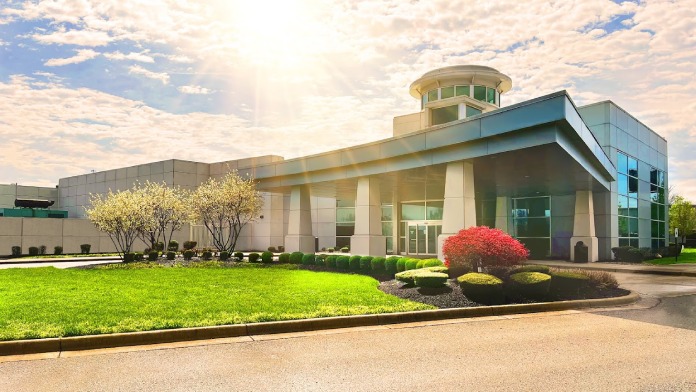
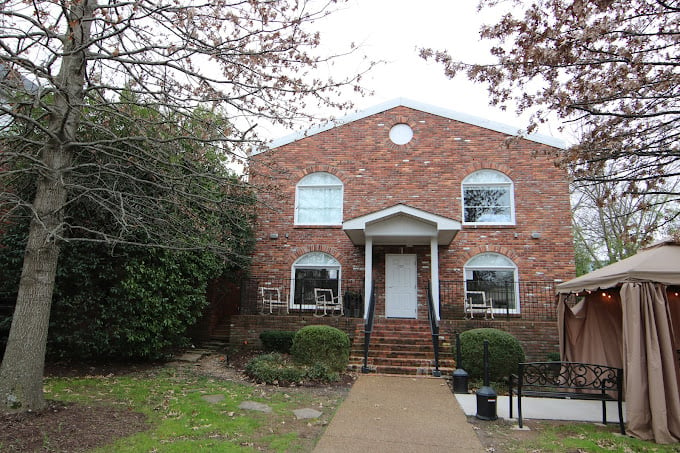
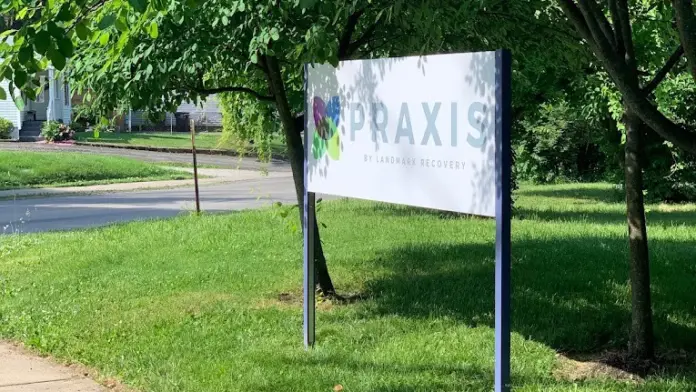
Praxis of Louisville by Landmark Recovery is a Louisville, Kentucky addiction treatment provider that’s transitioning into Golden Grove Recovery within the Alsos Behavioral Health network.
This location supported adults seeking care for alcohol, drug and opioid use, including dual diagnosis and LGBTQ+ inclusive programs.
The upcoming program emphasizes locally led and connected care that’s built around a long lasting recovery.
The Golden Grove Recovery program is set to offer you medical detox, inpatient addiction treatment and medication assisted treatment.
Programs will include medically supervised detox, residential care and partial hospitalization as well as intensive outpatient services and aftercare support with detox stays of 7 to 13 days and residential care of about 30 to 45 days.
Treatment combines approaches such as cognitive behavioral therapy, dialectical behavior therapy, trauma informed psychoeducation and SMART Recovery, Seeking Safety and 12 step support.
Counseling, family therapy and alumni led recovery groups can help you address root causes and build lasting relapse prevention skills. Reviews describe supportive staff, a safe environment and life changing care.
This compact 38 bed setting emphasizes wellness oriented programs.
Holistic options include mindfulness meditation, nutrition therapy and fitness programs, yoga and recreational therapy with amenities like a gym and yoga studio, basketball court and courtyard.
This in person program serves both Kentucky residents and out of state clients, including military veterans.
Medicaid is accepted across the Alsos Behavioral Health network and legacy payment options included private insurance, TRICARE and self pay.

 38

 Our Methodology


Self-pay involves paying for treatment out of your own pocket. You can use savings or credit, get a personal loan, or receive help from family and friends to fund your treatment. If you don't have insurance or your insurance plan doesn't cover a specific program, self-pay can help ensure you still get the care you need.
Private insurance refers to any kind of healthcare coverage that isn't from the state or federal government. This includes individual and family plans offered by an employer or purchased from the Insurance Marketplace. Every plan will have different requirements and out of pocket costs so be sure to get the full details before you start treatment.
Medicaid is a state based program that helps lower-income individuals and families pay for healthcare. Medicaid covers addiction treatment so those enrolled can use their coverage to pay for rehab. When a program accepts Medicaid the client often pays very little or nothing out of their own pocket.
Drug and alcohol addiction often takes a heavy toll on one's body. Over time, a physical dependence can develop, meaning the body physiologically needs the substance to function. Detox is the process of removing drugs and/or alcohol from the body, a process that can be lethal if mismanaged. Medical detox is done by licensed medical professionals who monitor vital signs and keep you safe, healthy, and as comfortable as possible as you go through detox and withdrawal. The length of stay at the detoxification program is determined according to the specific needs of the patient.
Residential treatment programs are those that offer housing and meals in addition to substance abuse treatment. Rehab facilities that offer residential treatment allow patients to focus solely on recovery, in an environment totally separate from their lives. Some rehab centers specialize in short-term residential treatment (a few days to a week or two), while others solely provide treatment on a long-term basis (several weeks to months). Some offer both, and tailor treatment to the patient's individual requirements.
Completing a drug or alcohol rehab program shouldn't spell the end of substance abuse treatment. Aftercare involves making a sustainable plan for recovery, including ongoing support. This can include sober living arrangements like halfway houses, career counseling, and setting a patient up with community programs like Alcoholics Anonymous (AA) or Narcotics Anonymous (NA).
Participants in 12 step programs attend regular group meetings, which are free, anonymous, and open to the public. Most communities offer multiple meetings daily, with specialized formats, including programs for seniors, teens, and families, widely available. 12 step recovery prioritizes participants' spiritual, emotional, and psychological growth and healing to support their sustained sobriety. Participants also receive one-on-one mentoring from a self-selected sponsor as they work through the 12 steps of recovery.
Substance rehabs focus on helping individuals recover from substance abuse, including alcohol and drug addiction (both illegal and prescription drugs). They often include the opportunity to engage in both individual as well as group therapy.
Drug rehab in Kentucky often starts with detox, then includes inpatient or outpatient treatment, and continues with aftercare support. Specific methods used during each of these phases varies, but often include individual and group counseling, medication, and recreational therapies.
 Opioid Addiction
In Kentucky, dual-diagnosis addiction treatment programs prioritize comprehensive care for individuals with co-occurring substance use disorders and mental health conditions. Levels of care include residential rehab, detox, and intensive outpatient programs. Interventions like cognitive behavioral therapy, or dialectical behavioral therapy, therapy, education and family counseling treat both mental health conditions at the same time. The benefits of dual-diagnosis treatment are enhanced outcomes, improved health, and they provide you with the skills to maintain your sobriety and manage your mental health.
Inpatient addiction treatment means you will reside at the facility and receive rehab and mental health services. Comprehensive treatment programs include mental health aspects, medical and psychological support, experiential therapies, cognitive behavioral therapies (CBT), and various therapeutic interventions aimed at addressing addiction and improving mental health. Additionally, individual and group counseling are standard mental health offerings, as are relapse prevention education programs.
 Mental Health And Substance Abuse
Adult rehab programs include therapies tailored to each client's specific needs, goals, and recovery progress. They are tailored to the specific challenges adult clients may face, including family and work pressures and commitments. From inpatient and residential treatment to various levels of outpatient services, there are many options available. Some facilities also help adults work through co-occurring conditions, like anxiety, that can accompany addiction.
Recovery is most successful when clients feel accepted and validated by their peers and treatment providers. Facilities that offer LGBTQ-inclusive programming are committed to creating a safe space where everyone can grow and recover without fear of judgment or discrimination. They will have dedicated policies in place to create a safe and supportive environment that fosters free expression.
Serving in the military is both mentally and physically challenging, and can result in trauma that persists even after combat ends. Military programs are tailored to the specific and often complex needs of active duty personnel, veterans, and military families. Clients often access these programs through the U.S. Department of Veterans Affairs (VA).
Men face specific challenges and concerns when seeking addiction treatment. Gender-specific recovery programs help them tackle these issues head-on in an environment that's focused, targeted, and distraction-free. It also gives them the opportunity to connect with and learn from other men who have been through a similar journey and can offer support for the next step.
Rehabs for women provide a safe, nurturing space for female clients to heal. These treatment programs consider the specific obstacles that women can face during recovery and place a special emphasis on mental, social, physical, and reproductive health. They explore how each woman's experience has shaped the trajectory of their substance use, addressing issues such as sexual abuse and past trauma.
Group therapy is any therapeutic work that happens in a group (not one-on-one). There are a number of different group therapy modalities, including support groups, experiential therapy, psycho-education, and more. Group therapy involves treatment as well as processing interaction between group members.
In individual therapy, a patient meets one-on-one with a trained psychologist or counselor. Therapy is a pivotal part of effective substance abuse treatment, as it often covers root causes of addiction, including challenges faced by the patient in their social, family, and work/school life.
Recreational therapy (aka therapeutic recreation) uses creative and fun activities to help with addiction recovery. Recreational therapists lead patients in entertaining and engaging activities like sports or games; art (drawing, painting, sculpture); drama, music, and dance; and/or community outings (field trips) to improve patients' physical, social, and emotional well-being.
Cognitive behavioral therapy in Kentucky involves learning to recognize unhealthy thinking patterns and developing problem solving skills to cope with life's challenges. It will help you have greater confidence in your abilities so you can change your patterns of behavior and break free from substance abuse.
Typically, dialectical behavior therapy (DBT) in Kentucky involves four types of therapy sessions. You'll participate in a pre assessment, skills training in groups, individual therapy, and telephone crisis coaching. The goal is to improve your skills for coping with daily emotions and life challenges.
Nutrition therapy is a form of holistic therapy that is often incorporated into drug rehab programs in Kentucky. Eating healthy meals and learning how to choose the best foods for recovery helps you heal faster and helps prevent relapse.
Family therapy provides families with a structured environment to address the complexities of addiction. You work with an experienced therapist to develop effective strategies for supporting your loved one's recovery while focusing on the well being of each member of the family unit.
Creative arts therapy in Kentucky involves therapy sessions that incorporate creative activities. A trained professional uses art forms such as music or dance to facilitate emotional expression and healing. Clients do not need any artistic skills to participate.
Fitness therapy for addiction engages you in regular exercise to help reduce withdrawal symptoms and cravings. This approach also boosts your endorphin levels which improves your mood and mental health. Maintaining the discipline of physical exercise is required to mirror the discipline needed to maintain sobriety and reinforce positive habits.
Life skills equip you to obtain and maintain employment, establish healthy relationships, develop a healthy daily routine, manage your finances, and practice self care. Because these are an important part of successful recovery, life skills training should be an integral part of your rehab in Kentucky.
Several techniques are key to motivational interviewing in Kentucky. Your therapist will use open ended questions, affirm your strengths, reflect your responses back to you, and summarize your responses. This allows you to identify any discrepancies in your current situation and your future goals, which can motivate you to make changes.
 Sound Therapy
Trauma therapy provides you with a safe space to work through a trauma that you witnessed or experienced. Trauma informed therapy supports you to understand your emotional and physical responses and develop healthier coping mechanisms when exposed to triggers in the community. This improves your sense of self confidence and empowerment.
 Gym
 Yoga Studio
 Art Activities
 Meditation Room
 Residential Setting

Co-Founder & CEO

Chief Operating Officer

Chief Financial Officer

Chief Medical Officer

Chief Revenue Officer

The Joint Commission, formerly known as JCAHO, is a nonprofit organization that accredits rehab organizations and programs. Founded in 1951, the Joint Commision's mission is to improve the quality of patient care and demonstrating the quality of patient care.
Joint Commission Accreditation: Yes
Rehab.com regularly reviews this listing for accuracy but changes may occur between updates. For the most up-to-date information, please contact Golden Grove Recovery.

4418 Malcolm Ave
Louisville, KY 40215
Sponsored Helpline

Update: 8/25/2026 - still sober!! 🥰 I checked in here (when it was still Landmark Recovery) on 01/07/2018 and have been sober ever since. This is the place where I learned how to start my new journey of recovery, and they helped me to build a solid foundation and gave me the tools to understand my addiction, its triggers, and how to cope with them. I cannot recommend them enough. They saved my life and I will be forever grateful to them.

I am so incredibly thankful for this facility! Their programs and dedication to those that need help has been an absolute blessing. My son has a new life ahead of him now and I couldn't be more thankful!! Other locations and programs just didn't work because they had no genuine concern. But here... they provide all the tools necessary to recover and become the best version of oneself. Thank you for saving my son's life!!!

This center is a very suitable place for addiction treatment and recovery. It has a safe and friendly environment. And this helps the addict To share his problems more easily with the authorities.

 Back
Sharing your insights and experiences can help others learn more about this rehab center.