





























































































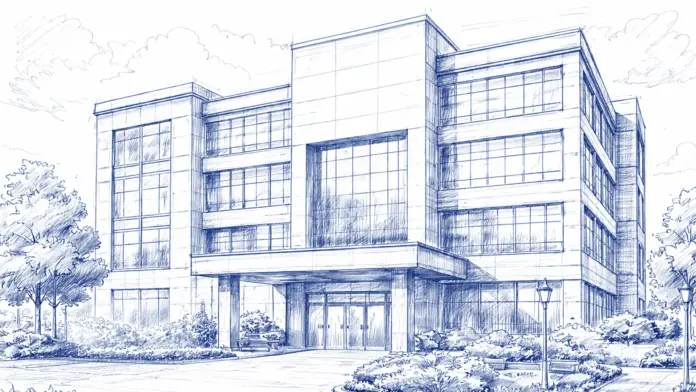
About Gordon Institute
Gordon Institute is a drug and alcohol rehab in Evansville, Indiana providing addiction treatment and recovery support for adults with substance use disorders. They emphasize customized care that addresses addiction alongside co-occurring mental health conditions.
Addiction Treatment With Medical Detox
Treatment often begins with medically assisted supervised detox where withdrawal is managed in a safe setting before clients move into inpatient care. From there recovery planning helps guide each client through the appropriate level of support.
Clients can expect a blend of one-on-one counseling and counselor-led group therapy along with screening for underlying trauma and co-occurring mental health conditions. Gordon Institute integrates dual diagnosis treatment, relapse prevention, and aftercare planning to support long-term recovery.
Quick Facts About Gordon Institute
- Location: 5441 E Indiana St, Evansville, Indiana.
- Levels of care: Supervised detox, inpatient treatment, and aftercare support.
- Who they treat: Adults with alcohol and opiate addiction and co-occurring mental health disorders.
- Approach: Customized care plans, client counseling, and group therapy.
- Specialty focus: Dual diagnosis treatment addressing addiction and mental health together.
- Ongoing support: Relapse prevention and aftercare planning.

Rehab Score
 Our Methodology


Location
Addiction Treatments
Levels of Care
When removing addictive substances from your body under the care of licensed medical professionals, the process is called medically assisted detox. Once you've become physically dependent on substances like alcohol, opioids, or benzodiazepines, quitting can be uncomfortable or even dangerous. To minimize risks to your health and overall discomfort, a team of medical professionals monitors you 24/7 and provides medications if necessary (like Suboxone or methadone) to ease potential symptoms of withdrawal.
Inpatient rehab provides intensive, round-the-clock care and is designed primarily for clients who have just completed detox, those in early recovery, and those at an increased risk of relapse. Inpatient treatment typically includes extensive psychotherapy that draws on various modalities like cognitive behavioral therapy (CBT) and motivational interviewing. Clients also learn the recovery-focused life skills needed to promote sustained recovery. Many inpatient drug rehabs also offer evidence-based holistic therapies like meditation, yoga, massage, and experiential therapy.
Clients receiving support in a rehab aftercare program have completed inpatient care and may also be preparing to exit formal outpatient care. Outpatient services are typically categorized as rehab aftercare, but these services often continue beyond the cessation of formal treatment. Rehab aftercare services are designed to promote life-long recovery through comprehensive, wraparound care, which may include medical, mental health, and social services. These programs are usually created in collaboration with the client's case manager and care team.
Treatments
If a person has alcohol use disorder (AUD), also referred to as alcoholism, they experience a desire or physical need to consume alcohol. A person with AUD may try to stop drinking but they are unsuccessful without professional help. Alcohol rehab in Indiana can provide the resources necessary to achieve and maintain recovery. Rehab programs typically involve a combination of medical, behavioral, and social supports to overcome alcohol addiction.
For long-term recovery from drug addiction, drug rehab in Indiana is often key. This treatment gives individuals who are struggling with a substance use disorder the tools to manage their disorder and achieve long-term sobriety.
 Opioid Addiction
Indiana provides substance abuse treatment programs for individuals with substance use disorders. With a range of care levels, including outpatient, inpatient, and partial hospitalization programs, you'll be able to find the right treatment for you. Programs usually include a substance abuse evaluation, evidence-based therapies such as cognitive-behavioral therapy (CBT), dialectical behavior therapy (DBT), and group therapy address substance abuse and enhance coping strategies. By offering personalized treatment plans and a supportive environment, these programs strengthen your ability to maintain your recovery.
In Indiana, dual-diagnosis addiction treatment programs address the unique needs of individuals with co-occurring substance use disorders and mental health conditions. Care levels include outpatient, inpatient, and partial hospitalization programs. Therapies like cognitive behavioral therapy, or dialectical behavioral therapy, trauma-informed therapy, and process groups address the co-occurring mental health disorders while achieving sobriety and promoting overall well-being. You'll also learn coping skills, relapse prevention strategies, and tools to enhance your relationships - all critical skills for long-term recovery.
Clinical Services
Qualified therapists in Indiana use a customized treatment approach for individual therapy to address your drug and alcohol addiction treatment. This considers your past history and life circumstances to help you uncover the underlying issues that trigger addictive behavior and manage these factors to support a healthy approach to recovery.
Group therapy provides a unique experience for men and women to encounter a supportive environment where you can share your experiences and gain insight from your peers who understand your struggles. Group therapy improves your journey and helps promote sustainable recovery.
Rehab.com regularly reviews this listing for accuracy but changes may occur between updates. For the most up-to-date information, please contact Gordon Institute.
Contact Information


5441 E Indiana St, Evansville, IN 47715
Sponsored Helpline
