





























































































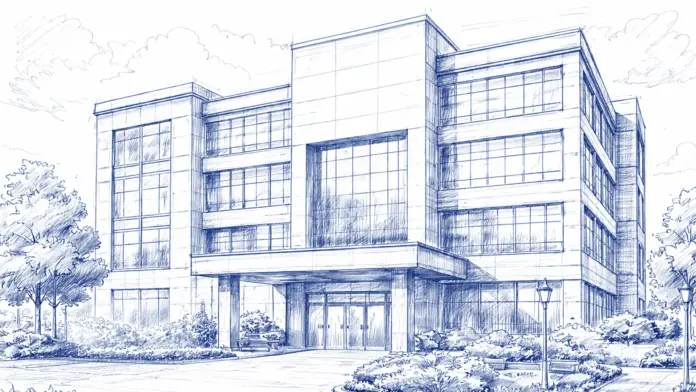
About Greenfield Recovery Center
Greenfield Recovery Center is an addiction treatment center in Bernardston, Massachusetts offering residential care for substance use disorders and co-occurring mental health conditions.
The program provides long term recovery support and includes specialized options for adolescents and young adults.
Reviewers frequently highlight the caring staff and supportive counselors, with one noting, “Great counselors, great director, just great staff all around.”
What kinds of treatment are offered?
Greenfield Recovery Center provides residential care focused on treating substance use disorders alongside co-occurring mental health concerns.
The program emphasizes long term recovery support to help clients build a strong foundation for lasting change.
Who can get help here?
The center serves adults, adolescents and young adults, with teen specific programming being one of its notable specialties.
Individuals facing co-occurring mental health disorders alongside addiction can also find integrated support here.
Where is the center located?
Greenfield Recovery Center sits in Bernardston in Western Massachusetts, set on 19 acres of private woodlands.
Nestled in the foothills of the Berkshire and Green Mountain ranges, the rural, wooded environment offers a peaceful setting for healing.
Do they take insurance?
The facility accepts private insurance and self pay options. Reaching out directly can help you confirm coverage and understand what payment options may apply to your situation.
Latest Reviews



Rehab Score
 Our Methodology


Location
Other Forms of Payment
Private insurance refers to any kind of healthcare coverage that isn't from the state or federal government. This includes individual and family plans offered by an employer or purchased from the Insurance Marketplace. Every plan will have different requirements and out of pocket costs so be sure to get the full details before you start treatment.
Self-pay involves paying for treatment out of your own pocket. You can use savings or credit, get a personal loan, or receive help from family and friends to fund your treatment. If you don't have insurance or your insurance plan doesn't cover a specific program, self-pay can help ensure you still get the care you need.
Addiction Treatments
Levels of Care
Residential treatment programs are those that offer housing and meals in addition to substance abuse treatment. Rehab facilities that offer residential treatment allow patients to focus solely on recovery, in an environment totally separate from their lives. Some rehab centers specialize in short-term residential treatment (a few days to a week or two), while others solely provide treatment on a long-term basis (several weeks to months). Some offer both, and tailor treatment to the patient's individual requirements.
Treatments
Mental health rehabs focus on helping individuals recover from mental illnesses like bipolar disorder, clinical depression, anxiety disorders, schizophrenia, and more. Mental health professionals at these facilities are trained to understand and treat mental health issues, both in individual and group settings.
Programs
Young adulthood can be an exciting, yet difficult, time of transition. Individuals in their late teens to mid-20s face unique stressors related to school, jobs, families, and social circles, which can lead to a rise in substance use. Rehab centers with dedicated young adult programs will include activities and amenities that cater to this age group, with an emphasis on specialized counseling, peer socialization, and ongoing aftercare.
Clinical Services
EMDR is a therapeutic modality originally developed to help process trauma. In an EMDR session, a patient is prompted to undergo eye movements that mimic those of REM sleep. This is accomplished by watching a therapist's finger move back and forth across, or following a bar of light. The goal is repetitive sets of eye movements that help the brain reprocess memory, which can significantly reduce the intensity of remembered traumatic incidents. Associated memories can heal simultaneously, leaving patients significantly calmer, more stable, and more emotionally relaxed.
Research clearly demonstrates that recovery is far more successful and sustainable when loved ones like family members participate in rehab and substance abuse treatment. Genetic factors may be at play when it comes to drug and alcohol addiction, as well as mental health issues. Family dynamics often play a critical role in addiction triggers, and if properly educated, family members can be a strong source of support when it comes to rehabilitation.
In individual therapy, a patient meets one-on-one with a trained psychologist or counselor. Therapy is a pivotal part of effective substance abuse treatment, as it often covers root causes of addiction, including challenges faced by the patient in their social, family, and work/school life.
Staff

Klay Weaver, LCSW
CEO

Daniel Bober, DO
Medical Director
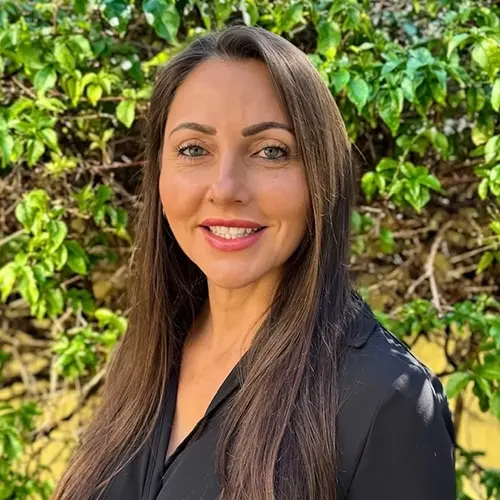
Catherine Manley, LMHC
COO

David Ockman, PsyD, CAP
Executive Director of Clinical Services

David Duquette, PsyD
Director of Quality Improvement & Utilization Review
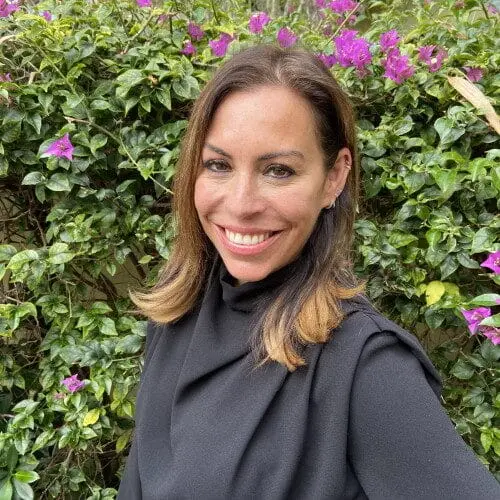
Tara Alhadeff, LMHC, CAI, DBT-Intensively Trained, ExRP
Associate Clinical Director

Jorge A. Vázquez-López, BA
Director of Admissions
Rehab.com regularly reviews this listing for accuracy but changes may occur between updates. For the most up-to-date information, please contact Greenfield Recovery Center.
Contact Information


63 N County Rd
Bernardston, MA 01337
Sponsored Helpline


