





























































































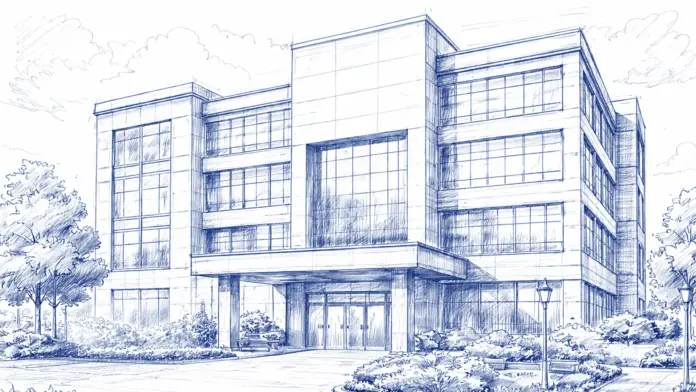
About Impact Outpatient Program
Impact Outpatient Program in Mount Washington, Kentucky, serves adults just outside metro Louisville with substance use and co occurring mental health care. The program offers multiple outpatient levels designed to fit around work, school and family responsibilities. Impact emphasizes rapid access to care with same day admissions in most cases and the ability to begin treatment within 24 hours of intake, helping clients start their recovery journey without delay.
Flexible Programming for Substance Use Recovery
Impact specializes in structured outpatient care for alcohol, opioids, stimulants, and benzodiazepines, offering both in-person and virtual treatment options. The programs include group therapy and individual counseling to address the root causes of addiction.
Treatment integrates evidence-based approaches and medication-assisted treatment with process groups, relapse prevention, and 12-step principles. Medication helps alleviate withdrawal symptoms so guests can remain comfortable.
Integrated Care for Co-Occurring Mental Health Conditions
Impact treats dual diagnosis clients by addressing anxiety, depression, bipolar disorder, PTSD, and trauma alongside addiction. This whole-person approach ensures that underlying mental health challenges are managed in tandem with substance use, using individualized plans and therapeutic groups tailored to each client’s needs.
Sessions focus on building coping skills, addressing triggers and creating sustainable routines. They can also focus on relapse prevention planning to support sustained sobriety.
Latest Reviews



Rehab Score
 Our Methodology


Location
Other Forms of Payment
Private insurance refers to any kind of healthcare coverage that isn't from the state or federal government. This includes individual and family plans offered by an employer or purchased from the Insurance Marketplace. Every plan will have different requirements and out of pocket costs so be sure to get the full details before you start treatment.
Self-pay involves paying for treatment out of your own pocket. You can use savings or credit, get a personal loan, or receive help from family and friends to fund your treatment. If you don't have insurance or your insurance plan doesn't cover a specific program, self-pay can help ensure you still get the care you need.
Addiction Treatments
Levels of Care
Intensive outpatient programs (IOP) specialize in high-level care for clients requiring robust support. This includes those in early recovery, those in crisis, and those stepping down from inpatient care. Clients typically participate in a minimum of nine treatment hours per week, but many intensive outpatient rehabs offer up to 20 hours of service weekly. Their primary treatment modalities generally combine psychotherapy and recovery education. Medication assisted treatment (MAT) for alcohol and/or opioid recovery is widely available.
Outpatient rehabs enable clients to integrate addiction treatment into their daily lives. Clients typically continue to work and reside at home, but may engage in daily therapeutic sessions, depending on need. Outpatient treatment generally involves individual, group, and/or family therapy, recovery-focused life skills training, and a variety of ancillary services, such as career counseling or vocational training. Outpatient rehabs often encompass multiple levels of care, including partial hospitalization (PHP), intensive outpatient (IOP), sober living, and standard outpatient.
Modern telehealth options in Kentucky include teleconsultations and remote patient monitoring. A teleconsultation allows you to get advice from a physician via phone call or video call. Remote patient monitoring allows you to wear a sensor that transmits your health information to a healthcare provider.
Treatments
Alcoholism is a term used to describe a level of drinking that causes harm to a person's health. Also known as alcohol addiction or alcohol use disorder (AUD), the dependency involves a strong, often uncontrollable urge to drink.This condition is treatable through alcohol rehab in Kentucky. Programs typically involve supervised detox, behavioral treatments, medications, and mutual-support groups.
 Opioid Addiction
Drug rehab in Kentucky often starts with detox, then includes inpatient or outpatient treatment, and continues with aftercare support. Specific methods used during each of these phases varies, but often include individual and group counseling, medication, and recreational therapies.
In Kentucky, comprehensive substance abuse treatment programs are available to address addiction and any co-occurring mental health disorders. Typically, treatment programs offer various levels of care, including outpatient, inpatient, and partial hospitalization. Treatment activities include individual and group therapy, recovery support meetings, evidence-based therapies such as cognitive-behavioral therapy (CBT), dialectical behavior therapy (DBT), and psychoeducation. By the end of treatment you will have the resources and supportive recovery community to sustain long-term mental health and sobriety.
Inpatient addiction treatment means you will reside at the facility and receive rehab and mental health services. Comprehensive treatment programs include mental health aspects, medical and psychological support, experiential therapies, cognitive behavioral therapies (CBT), and various therapeutic interventions aimed at addressing addiction and improving mental health. Additionally, individual and group counseling are standard mental health offerings, as are relapse prevention education programs.
In Kentucky, dual-diagnosis addiction treatment programs prioritize comprehensive care for individuals with co-occurring substance use disorders and mental health conditions. Levels of care include residential rehab, detox, and intensive outpatient programs. Interventions like cognitive behavioral therapy, or dialectical behavioral therapy, therapy, education and family counseling treat both mental health conditions at the same time. The benefits of dual-diagnosis treatment are enhanced outcomes, improved health, and they provide you with the skills to maintain your sobriety and manage your mental health.
Programs
Recovery is most successful when clients feel accepted and validated by their peers and treatment providers. Facilities that offer LGBTQ-inclusive programming are committed to creating a safe space where everyone can grow and recover without fear of judgment or discrimination. They will have dedicated policies in place to create a safe and supportive environment that fosters free expression.
Clinical Services
Cognitive behavioral therapy in Kentucky involves learning to recognize unhealthy thinking patterns and developing problem solving skills to cope with life's challenges. It will help you have greater confidence in your abilities so you can change your patterns of behavior and break free from substance abuse.
Typically, dialectical behavior therapy (DBT) in Kentucky involves four types of therapy sessions. You'll participate in a pre assessment, skills training in groups, individual therapy, and telephone crisis coaching. The goal is to improve your skills for coping with daily emotions and life challenges.
Men and women in Kentucky participating in group therapy learn to express their feelings and struggles with drug addiction in a non judgmental atmosphere. Your peers can offer you empathy and encouragement because they understand your journey to recovery. This fosters a sense of community and belonging that may extend far after group therapy sessions.
Trauma therapy provides you with a safe space to work through a trauma that you witnessed or experienced. Trauma informed therapy supports you to understand your emotional and physical responses and develop healthier coping mechanisms when exposed to triggers in the community. This improves your sense of self confidence and empowerment.
Rehab.com regularly reviews this listing for accuracy but changes may occur between updates. For the most up-to-date information, please contact Impact Outpatient Program.
Contact Information


1200 N Bardstown Rd Unit A-2, Mt Washington, KY 40047
Sponsored Helpline


