






























































































About Invictus4Core
Invictus4Core provides outpatient addiction and mental illness recovery services for people living in Lexington, Kentucky. They are located in a three-story red brick building that also houses various other businesses and service providers.
They offer targeted case management, psychiatric services, addiction treatment and mental health counseling. They also offer medication-assisted treatment. This independent clinic is owned by a nurse practitioner. Others on the team include counselors, case managers and MAT/psych providers.
Invictu4Core has a 4.3-star rating. Past clients rave about the compassionate staff, personalized care and non judgemental space. I also like that you can schedule your appointment online.
Outpatient Rehab in Lexington
This provider focuses on using proven techniques to address mental health and substance use disorders. They deliver their programs with a focus on compassion and respect.
Your treatment plan takes into account your individual pace and priorities. It may include medication management, individual counseling, peer support or enrolling in their intensive outpatient programs (IOPs).
Recovery Support Groups in Kentucky
I like that this clinic offers recovery skills groups. These groups give you access to a supportive space where you’ll learn how to deal with triggers, manage your stress and keep progressing on your recovery path.
A licensed counselor leads each group in a structured discussion and encourages open and honest conversations. This group will be a mix of folks who are newly in recovery as well as those who are in long-term growth. Topics covered in these groups range from setting boundaries to making healthy choices.
Latest Reviews



Rehab Score
 Our Methodology


Location
Other Forms of Payment
Private insurance refers to any kind of healthcare coverage that isn't from the state or federal government. This includes individual and family plans offered by an employer or purchased from the Insurance Marketplace. Every plan will have different requirements and out of pocket costs so be sure to get the full details before you start treatment.
Self-pay involves paying for treatment out of your own pocket. You can use savings or credit, get a personal loan, or receive help from family and friends to fund your treatment. If you don't have insurance or your insurance plan doesn't cover a specific program, self-pay can help ensure you still get the care you need.
Medicare is a federal program that provides health insurance for those 65 and older. It also serves people under 65 with chronic and disabling health challenges. To use Medicare for addiction treatment you need to find a program that accepts Medicare and is in network with your plan. Out of pocket costs and preauthorization requirements vary, so always check with your provider.
Medicaid is a state based program that helps lower-income individuals and families pay for healthcare. Medicaid covers addiction treatment so those enrolled can use their coverage to pay for rehab. When a program accepts Medicaid the client often pays very little or nothing out of their own pocket.
Addiction Treatments
Levels of Care
Outpatient Programs (OP) are for those seeking mental rehab or drug rehab, but who also stay at home every night. The main difference between outpatient treatment (OP) and intensive outpatient treatment (IOP) lies in the amount of hours the patient spends at the facility. Most of the time an outpatient program is designed for someone who has completed an inpatient stay and is looking to continue their growth in recovery. Outpatient is not meant to be the starting point, it is commonly referred to as aftercare.
Inpatient rehab is designed primarily for clients exiting detox, those in early recovery, and those in crisis situations that may increase their risk of relapse. Clients reside at the inpatient treatment center for the length of the program, which may range from two weeks to more than 18 months, depending on the program design. Inpatient treatment typically includes 24-hour clinical care and extensive addiction counseling and recovery education using CBT, DBT, RBT, motivational interviewing or other psychotherapeutic approaches.
Rehab aftercare programs ensure clients' access to continuing care after the completion of intensive inpatient treatment. Outpatient care is often considered a component of drug rehab aftercare, but most clients continue to receive support services after being discharged from formal treatment. Service portfolios are customized to clients' unique and evolving needs and are often designed in collaboration with clients' case managers and care teams. Peer coaching, career counseling, relapse prevention, and 12 step program induction are standard.
Participants in 12 step programs attend regular group meetings, which are free, anonymous, and open to the public. Most communities offer multiple meetings daily, with specialized formats, including programs for seniors, teens, and families, widely available. 12 step recovery prioritizes participants' spiritual, emotional, and psychological growth and healing to support their sustained sobriety. Participants also receive one-on-one mentoring from a self-selected sponsor as they work through the 12 steps of recovery.
Medical detox is the process of weaning your body off addictive substances in a medically supervised environment. An on-site medical team may include physicians, nurses, therapists, and other clinical staff whose job it is to monitor your vitals and provide medications if necessary to alleviate withdrawal symptoms. Their goal is to keep you as safe and comfortable as possible throughout the process.. Medically assisted detox programs are individualized to meet your specific needs and can vary in length, but they tend to last 5-7 days.
Treatments
A combined mental health and substance abuse rehab has the staff and resources available to handle individuals with both mental health and substance abuse issues. It can be challenging to determine where a specific symptom stems from (a mental health issue or an issue related to substance abuse), so mental health and substance abuse professionals are helpful in detangling symptoms and keeping treatment on track.
Programs
Adult rehab programs include therapies tailored to each client's specific needs, goals, and recovery progress. They are tailored to the specific challenges adult clients may face, including family and work pressures and commitments. From inpatient and residential treatment to various levels of outpatient services, there are many options available. Some facilities also help adults work through co-occurring conditions, like anxiety, that can accompany addiction.
Young adulthood can be an exciting, yet difficult, time of transition. Individuals in their late teens to mid-20s face unique stressors related to school, jobs, families, and social circles, which can lead to a rise in substance use. Rehab centers with dedicated young adult programs will include activities and amenities that cater to this age group, with an emphasis on specialized counseling, peer socialization, and ongoing aftercare.
Recovery is most successful when clients feel accepted and validated by their peers and treatment providers. Facilities that offer LGBTQ-inclusive programming are committed to creating a safe space where everyone can grow and recover without fear of judgment or discrimination. They will have dedicated policies in place to create a safe and supportive environment that fosters free expression.
Clinical Services
Cognitive behavioral therapy in Kentucky involves learning to recognize unhealthy thinking patterns and developing problem solving skills to cope with life's challenges. It will help you have greater confidence in your abilities so you can change your patterns of behavior and break free from substance abuse.
Group therapy is any therapeutic work that happens in a group (not one-on-one). There are a number of different group therapy modalities, including support groups, experiential therapy, psycho-education, and more. Group therapy involves treatment as well as processing interaction between group members.
In individual therapy, a patient meets one-on-one with a trained psychologist or counselor. Therapy is a pivotal part of effective substance abuse treatment, as it often covers root causes of addiction, including challenges faced by the patient in their social, family, and work/school life.
Trauma therapy provides you with a safe space to work through a trauma that you witnessed or experienced. Trauma informed therapy supports you to understand your emotional and physical responses and develop healthier coping mechanisms when exposed to triggers in the community. This improves your sense of self confidence and empowerment.
As you begin couples therapy in Kentucky, you'll outline the goals for therapy. Your therapist will then arrange to meet with you in weekly joint sessions and, in some cases, individual sessions. You'll receive homework assignments to practice each week between sessions that will help you reach your goals.
Life skills trainings involve all the skills a person must have in order to function successfully in the world. These include time management, career guidance, money management, and effective communication. Truly successful addiction recovery is based on the ability to not only live substance-free, but to thrive. Life skills teaches the practical necessities of functioning in society, which sets clients up for success in life, and therefore sobriety.
Amenities
-
 Residential Setting
 -
 Private Rooms
Staff & Accreditations
Staff
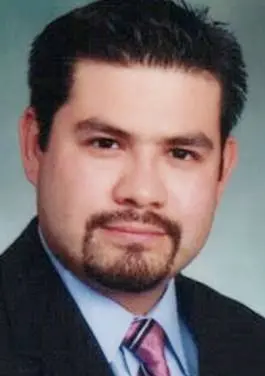
Jesus V. Tovar, M.D.
Medical Director & Owner

TJ Slaten, MBA
Director of Operations
Accreditations

LegitScript has reviewed Invictus4Core as part of their certification program, and has determined that it meets the LegitScript standards for legality, safety and transparency.
LegitScript verified in

State Licenses are permits issued by government agencies that allow rehab organizations to conduct business legally within a certain geographical area. Typically, the kind of program a rehab facility offers, along with its physical location, determines which licenses are required to operate legally.
State License: Kentucky
Rehab.com regularly reviews this listing for accuracy but changes may occur between updates. For the most up-to-date information, please contact Invictus4Core.
Contact Information


3150 Custer Drive
Suite 101
Lexington, KY 40517
Sponsored Helpline



