





























































































La Jolla Recovery helped me start healing in ways I didn’t expect. The program included space for creativity and some group sessions were actually gender inclusive, which mattered a lot to me. Not everything was perfect, could use more LGBTQ+ focused options. But overall i ...
About La Jolla Recovery
Transcranial magnetic stimulation, a therapy that uses magnetic fields on the brain, is one of the therapies at La Jolla Recovery, a drug and alcohol rehab center in La Jolla, California. Residential housing is for men, women and adolescents, and the program treats people who have had more than one treatment episode that did not work.
For heroin and other opioid use disorders, buprenorphine, a medication for opioid use disorder, is used with Subutex and Suboxone to manage withdrawal and ease cravings. Detox runs around the clock, and residential treatment and outpatient care are available here.
Clinical Therapies in La Jolla
La Jolla Recovery uses cognitive behavioral therapy, dialectical behavioral therapy and acceptance and commitment therapy, along with augmented reality therapy and virtual reality. The reason a named method is used in treatment is that it gives the session a task, such as noticing a thought or practicing a skill.
Substance use is treated along with anxiety, depression and trauma, and the center also supports ADHD and autism spectrum disorder. A psychiatrist, a nurse practitioner and a physician assistant are on the clinical staff.
The center holds a state license and Joint Commission accreditation, and it accepts TRICARE West, with veteran-specific groups for people on that plan. It has more than 15 years of work in addiction treatment in San Diego, California.
Latest Reviews
La Jolla Revovery provided the support and stability I needed in order to get back to my life and return to my responsibilities! I will forever be grateful for this program and can’t thank them enough for all they have done for me!
Response from the owner3 weeks ago
Thank you so much for taking the time to share this. Reviews like yours remind our whole team why we do this work, and they give hope to people who are just starting their own journey. We're wishing you all the best. — The La Jolla Recovery Team
I went to La Jolla recovery from August to December of 2025. I had been to 4 rehabs before this one, and not a single one had ever helped me get my addiction under control. It’s about a year later now and I can proudly say I’ve been sober ever since I went there. The location is absolutely perfect, the counselors and employees are knowledgeable and extremely helpful, and the community there was better than any of the other rehabs I went to. The only reason they lose a star is because they started charging my lab work to my out of pocket card instead of billing it through my insurance, causing me to suddenly owe over 100,000$ in the middle of my stay. I got it figured out so thank god I didn’t have to pay anything, but still I can’t even begin to imagine what would have happened if I hadn’t figured that out. It never happened again and I didn’t hear anyone else say it happened to them so I’m inclined to believe it was actually just an honest mistake. Aside from that this place was perfect and I would highly recommend it
We also want to deeply apologize for the undue stress caused by the billing error regarding your lab work. While we are immensely relieved that this honest mistake was quickly figured out and properly billed to your insurance, we understand how alarming that must have been during a time when you needed to focus solely on your healing. Your overall well-being is always our absolute highest priority.
We want to remind you, and anyone reading this, how important our clients' peace of mind is to us. If any issues ever arise, we have a formal grievance process in place, and clients are always encouraged to reach out directly to our HR and compliance departments. As a state-licensed and nationally accredited facility, we strictly adhere to the highest standards of care. These governing regulatory bodies also review our grievances to ensure that our clients are always protected, heard, and fully supported throughout their stay.
Thank you for your grace, your understanding, and for highly recommending our drug rehab in San Diego. It was a privilege to be a part of your success story, and we wish you a beautiful lifetime of continued health, happiness, and sobriety!
Warmly,
The Team at La Jolla Recovery
Response from the owner3 weeks ago
Thank you so much for taking the time to share your inspiring journey with us. We are incredibly proud and overjoyed to hear that you are celebrating a year of being sober! Helping individuals effectively get their addiction under control is the true heart of what we do here at La Jolla Recovery. We are thrilled that our knowledgeable counselors, dedicated employees, and supportive community provided the healing environment you needed, and we're so glad you found our location to be the perfect fit.We also want to deeply apologize for the undue stress caused by the billing error regarding your lab work. While we are immensely relieved that this honest mistake was quickly figured out and properly billed to your insurance, we understand how alarming that must have been during a time when you needed to focus solely on your healing. Your overall well-being is always our absolute highest priority.
We want to remind you, and anyone reading this, how important our clients' peace of mind is to us. If any issues ever arise, we have a formal grievance process in place, and clients are always encouraged to reach out directly to our HR and compliance departments. As a state-licensed and nationally accredited facility, we strictly adhere to the highest standards of care. These governing regulatory bodies also review our grievances to ensure that our clients are always protected, heard, and fully supported throughout their stay.
Thank you for your grace, your understanding, and for highly recommending our drug rehab in San Diego. It was a privilege to be a part of your success story, and we wish you a beautiful lifetime of continued health, happiness, and sobriety!
Warmly,
The Team at La Jolla Recovery
Staff at Diamond street are very cool! Francisco helped me out alot with his knowledge and wisdom!
Walking the path of recovery takes immense courage, and we are absolutely thrilled to hear that our staff’s knowledge and wisdom made such a positive impact on your journey. Our team members genuinely care about uplifting and empowering our clients. We will be sure to pass along your wonderful compliments to them and the rest of our dedicated staff!
Providing a safe, supportive, and compassionate environment is at the heart of everything we do as a leading drug detox in San Diego. It is our greatest honor to guide individuals through the vital early steps of their addiction treatment, and knowing you felt so supported at our San Diego detox center truly means the world to us.
We are so proud of your progress and the steps you've taken toward a healthier, brighter future. Please remember that you are always part of the La Jolla Recovery family, and we are here for you if you ever need ongoing support. Wishing you continued health, peace, and happiness on your recovery journey!
Response from the owner3 weeks ago
Thank you so much for taking the time to share your 5-star experience with La Jolla Recovery! We are incredibly grateful for your kind words and for trusting us with your care.Walking the path of recovery takes immense courage, and we are absolutely thrilled to hear that our staff’s knowledge and wisdom made such a positive impact on your journey. Our team members genuinely care about uplifting and empowering our clients. We will be sure to pass along your wonderful compliments to them and the rest of our dedicated staff!
Providing a safe, supportive, and compassionate environment is at the heart of everything we do as a leading drug detox in San Diego. It is our greatest honor to guide individuals through the vital early steps of their addiction treatment, and knowing you felt so supported at our San Diego detox center truly means the world to us.
We are so proud of your progress and the steps you've taken toward a healthier, brighter future. Please remember that you are always part of the La Jolla Recovery family, and we are here for you if you ever need ongoing support. Wishing you continued health, peace, and happiness on your recovery journey!

Rehab Score
 Our Methodology
Scoring is assigned by a proprietary system which helps surface key metrics that determine quality. The 10-point scale factors in categories such as operations, customer satisfaction, and trust metrics. Read Full Methodology

8.5 / 10
Gallery

Accepted Insurance

Managed Health Network (MHN)

Healthscope
Other Forms of Payment
Private insurance refers to any kind of healthcare coverage that isn't from the state or federal government. This includes individual and family plans offered by an employer or purchased from the Insurance Marketplace. Every plan will have different requirements and out of pocket costs so be sure to get the full details before you start treatment.
Self-pay involves paying for treatment out of your own pocket. You can use savings or credit, get a personal loan, or receive help from family and friends to fund your treatment. If you don't have insurance or your insurance plan doesn't cover a specific program, self-pay can help ensure you still get the care you need.
Financial aid can take many forms. Centers may have grants or scholarships available to clients who meet eligibility requirements. Programs that receive SAMHSA grants may have financial aid available for those who need treatment as well. Grants and scholarships can help you pai for treatment without having to repay.
Medicaid is a state based program that helps lower-income individuals and families pay for healthcare. Medicaid covers addiction treatment so those enrolled can use their coverage to pay for rehab. When a program accepts Medicaid the client often pays very little or nothing out of their own pocket.
Medicare is a federal program that provides health insurance for those 65 and older. It also serves people under 65 with chronic and disabling health challenges. To use Medicare for addiction treatment you need to find a program that accepts Medicare and is in network with your plan. Out of pocket costs and preauthorization requirements vary, so always check with your provider.
Addiction Treatments
Levels of Care
This is the lowest level of care, weekly treatment services for people who don't need to live on site but still want support for sobriety.
Residential treatment follows detox and usually runs 30 to 60 days, which is the stretch of time the program sets aside for the inpatient phase.
Ten to 15 hours a week of group and individual sessions is what intensive outpatient asks, spread across the week at La Jolla Recovery.
Rehab aftercare programs offer clients in addiction recovery a robust continuum of care after clients have completed active treatment. These services address recovery as a life-long process and are designed to evolve with clients' changing needs. Clients may partner with their case managers and/or addiction recovery team to identify the rehab aftercare services that are right for them. They may receive career counseling, housing assistance, peer coaching, 12 step program induction, among many other services.
Sober Living Houses (SLHs), aka sober homes or halfway houses, are safe, substance-free, supportive living facilities for those recovering from substance abuse. Ideal for those who've just been through inpatient or outpatient treatment, SLHs are supervised environments with rules that support sobriety, such as curfews, shared chores, and therapeutic meetings. Residents are also often trained on life skills and coping skills to make it easier to transition into society. SLHs also provide a strong sense of community that can lead to the kind of deep and lasting connections with other sober individuals that supports a new, healthy lifestyle.
Intervention services helps family or friends of addicts stage an intervention, which is a meeting in which loved ones share their concerns and attempt to get an addict into treatment. Professional intervention specialists can help loved ones organize, gather, and communicate with an addict. They can guide intervention participants in describing the damage the addict's behavior is causing and that outside help is necessary to address the addiction. The ideal outcome of an intervention is for the addict to go to rehab and get the help they need.
Commonly known as "day treatment," a partial hospitalization program (PHP) is an intensive form of outpatient treatment where clients meet during the day and return home in the evening. PHP treatment doesn't require 24-hour care and often serves as an alternative to inpatient hospitalization or a step-down after a residential program. With PHP treatment, you can receive daily support for 6 to 8 hours which includes evidence-based therapies and medication management. The cost of PHP treatment typically varies but averages 90 days.
During the first phase of recovery – detox – it is crucial to have 24-hour clinical care in California. This care provides constant monitoring in order to ensure your safely and comfort as you progress through the withdrawal process for drug or alcohol addiction. Licensed professionals prescribe medications to treat withdrawal symptoms and provide frequent monitoring to ensure your safely as addictive toxins leave your system.
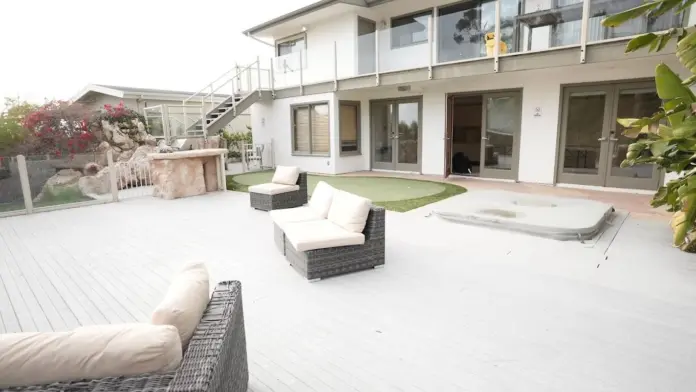
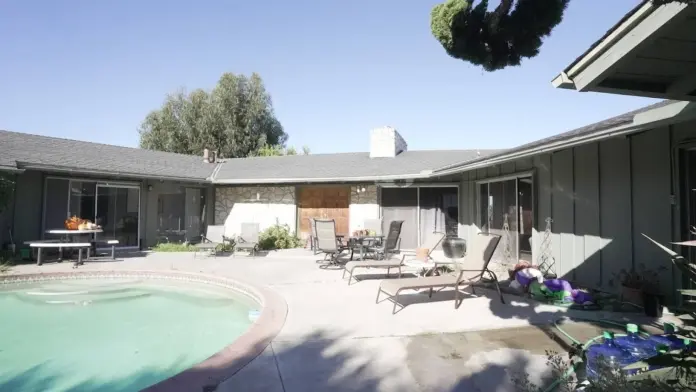
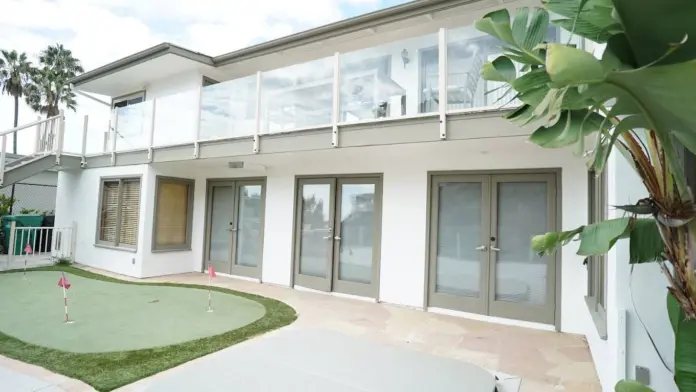
Drug and alcohol addiction often takes a heavy toll on one's body. Over time, a physical dependence can develop, meaning the body physiologically needs the substance to function. Detox is the process of removing drugs and/or alcohol from the body, a process that can be lethal if mismanaged. La Jolla Recovery provide detoxification utilizing evidence based detox techniques in a beautiful home setting.
Treatments
Alcohol and drug treatment is the core of the license here, and the program runs across detox, residential care and outpatient work.
Drug rehab in California teaches participants constructive ways to stay clean and sober. Treatment revolves around helping individuals stop using the substance they are addicted to and learn healthy habits to avoid relapse.
Dual diagnosis work covers substance use alongside anxiety, depression, trauma and bipolar disorder, with both treated together rather than in separate tracks.
Substance use care here includes anxiety, depression, trauma and bipolar disorder, so the mental health conditions named are handled within the same program.
Opioid rehabs specialize in supporting those recovering from opioid addiction. They treat those suffering from addiction to illegal opioids like heroin, as well as prescription drugs like oxycodone. These centers typically combine both physical as well as mental and emotional support to help stop addiction. Physical support often includes medical detox and subsequent medical support (including medication), and mental support includes in-depth therapy to address the underlying causes of addiction.
In California, substance abuse treatment programs can help individuals with any type of substance use disorders and co-occurring conditions. These rehab programs typically encompass various levels of care, including medically assisted detox, intensive outpatient, outpatient, residential rehab, and partial hospitalization. You can expect clinicians to utilize evidence-based therapies like cognitive behavioral therapy (CBT), dialectical behavioral therapy (DBT), and mindfulness to help you achieve and sustain your recovery. The rehab's clinical team can provide a comprehensive assessment to determine the appropriate level of care and medical support you may need.
Programs
Adult rehab programs include therapies tailored to each client's specific needs, goals, and recovery progress. They are tailored to the specific challenges adult clients may face, including family and work pressures and commitments. From inpatient and residential treatment to various levels of outpatient services, there are many options available. Some facilities also help adults work through co-occurring conditions, like anxiety, that can accompany addiction.
Young adulthood can be an exciting, yet difficult, time of transition. Individuals in their late teens to mid-20s face unique stressors related to school, jobs, families, and social circles, which can lead to a rise in substance use. Rehab centers with dedicated young adult programs will include activities and amenities that cater to this age group, with an emphasis on specialized counseling, peer socialization, and ongoing aftercare.
Couples, women and LGBTQ+ clients are the groups this California program names when it describes culturally specific needs, so LGBTQ+ care sits inside the offering.
Women are among the groups in residential housing, together with men and adolescents, and women's needs are named among the culturally specific needs the program sets out to serve.
Active duty members and their families are a named group here, with services aimed at the needs that come with military life.
Clinical Services
Cognitive Behavioral Therapy is named among the approaches here, alongside DBT and ACT, and the program lists therapies rather than a single method.
Dialectical Behavior Therapy appears in the same list as CBT and ACT, and the program names those as its therapy approaches.
Group therapy is any therapeutic work that happens in a group (not one-on-one). There are a number of different group therapy modalities, including support groups, experiential therapy, psycho-education, and more. Group therapy involves treatment as well as processing interaction between group members.
In individual therapy, a patient meets one-on-one with a trained psychologist or counselor. Therapy is a pivotal part of effective substance abuse treatment, as it often covers root causes of addiction, including challenges faced by the patient in their social, family, and work/school life.
Trauma therapy is a structured approach used by therapists to help you heal from a past traumatic event. Your therapist works with you to identify the traumatic memory and process the information so you experience emotional healing and a sense of safety and stability.
Whether a marriage or other committed relationship, an intimate partnership is one of the most important aspects of a person's life. Drug and alcohol addiction affects both members of a couple in deep and meaningful ways, as does rehab and recovery. Couples therapy and other couples-focused treatment programs are significant parts of exploring triggers of addiction, as well as learning how to build healthy patterns to support ongoing sobriety.
Research clearly demonstrates that recovery is far more successful and sustainable when loved ones like family members participate in rehab and substance abuse treatment. Genetic factors may be at play when it comes to drug and alcohol addiction, as well as mental health issues. Family dynamics often play a critical role in addiction triggers, and if properly educated, family members can be a strong source of support when it comes to rehabilitation.
Life skills trainings involve all the skills a person must have in order to function successfully in the world. These include time management, career guidance, money management, and effective communication. Truly successful addiction recovery is based on the ability to not only live substance-free, but to thrive. Life skills teaches the practical necessities of functioning in society, which sets clients up for success in life, and therefore sobriety.
Substances can prevent the absorption of nutrients and cause damage to your body's systems. Nutrition therapy in California addresses the deficiencies in vitamins and minerals that are caused by substance abuse.
Recreational therapy is included in alcohol and drug addiction treatment to focus on engaging you in healthy activities that reduce your cravings and improve your overall health and well being. When you participate in group sports, art, or nature walks, you develop new interests and find a meaningful way to spend your time and reduce your cravings.
The goal of creative arts therapy in California is to encourage growth and transformation. It can be used in individual and group settings with both children and adults. Options include movement, music, and painting.
Experiential therapy is a form of therapy in which clients are encouraged to surface and work through subconscious issues by engaging in real-time experiences. Experiential therapy departs from traditional talk therapy by involving the body, and having clients engage in activities, movements, and physical and emotional expression. This can involve role-play or using props (which can include other people). Experiential therapy can help people process trauma, memories, and emotion quickly, deeply, and in a lasting fashion, leading to substantial and impactful healing.
 Transcranial Magnetic Stimulation
Case Management
Amenities
-
 Gym
Gym -
 Yoga Studio
 -
 Wifi
Wifi -
 Residential Setting
 -
 Private Rooms
 -
 Beach Setting
 -
 Meditation Room
 -
 Oceanfront Views
Accreditations

The Joint Commission, formerly known as JCAHO, is a nonprofit organization that accredits rehab organizations and programs. Founded in 1951, the Joint Commision's mission is to improve the quality of patient care and demonstrating the quality of patient care.
Joint Commission Accreditation: Yes
Accreditation Number: 601110

State Licenses are permits issued by government agencies that allow rehab organizations to conduct business legally within a certain geographical area. Typically, the kind of program a rehab facility offers, along with its physical location, determines which licenses are required to operate legally.
State License: California
License Number: 26949
Rehab.com regularly reviews this listing for accuracy but changes may occur between updates. For the most up-to-date information, please contact La Jolla Recovery.
Contact Information

7632 Herschel Ave
La Jolla, CA 92037
Get Help Now - 619-816-1728
Sponsored Helpline
Sponsored Helpline


