











Indiana Center For Recovery – Alcohol & Drug Rehab Center – Bloomington
1
Top 10 Rehab Centers In Bloomington



















































































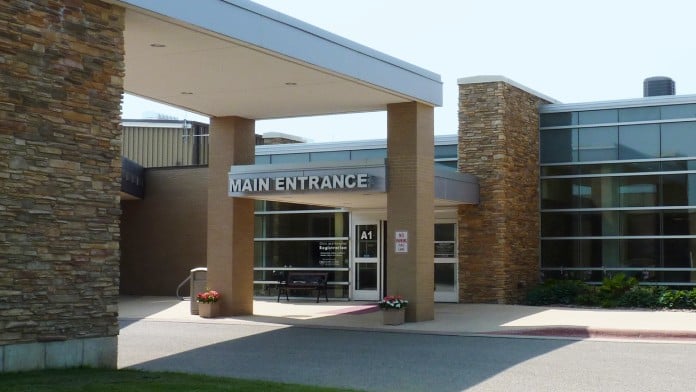
Mayo Clinic Health System’s Behavioral Health program in Decorah, Iowa, provides outpatient behavioral health treatment services including addiction evaluation, counseling and aftercare. Their connection to the Mayo Clinic network allows for broader access to higher care levels.
Services at this Decorah Clinic are actually through a WinnMed affiliate. Along with cash or self payment, the facility accepts most commercial insurance plans. Potential patients are encouraged to reach out to their provider for details about coverage. Financial aid programs and sliding fee scales may be available to clients based on income and other qualifying factors.
Culturally Competent Care for All Ages
The clinic caters to all ages, from children to seniors. They offer special services for patients struggling with cooccurring mental health and self-harm concerns, including substance use issues. Support is also provided for loved ones who have been impacted by addiction. Culturally competent care can be accessed through the wider Mayo Clinic network.
The program takes an integrated approach to treatment, incorporating primary care, psychiatry and social services. They provide assessment and medication management alongside evidence based individual and group counseling. Clients receive a max of 10 individual sessions. One director noted that group therapy could be more effective: “Group therapy is another way to meet patient needs in our community…Our goal is to help patients manage their mental illness through teaching appropriate skills and providing support at the level they need.”
A strong emphasis is placed on each patient’s holistic wellbeing. Educational resources and support groups are available for continuing recovery.
The desirable setting of this clinic stands out to me. Decorah is a peaceful community in northeast Iowa. The downtown area and the Luther College campus are nearby, for easy access to community resources.
Connection to nature is also readily available. Phelps Park, the Upper Iowa River and the Trout Run Trail are all within close proximity.
The clinic itself is modern and private, with comfortable therapy spaces and convenient onsite access to a variety of healthcare professionals.

 Our Methodology


Self-pay involves paying for treatment out of your own pocket. You can use savings or credit, get a personal loan, or receive help from family and friends to fund your treatment. If you don't have insurance or your insurance plan doesn't cover a specific program, self-pay can help ensure you still get the care you need.
Private insurance refers to any kind of healthcare coverage that isn't from the state or federal government. This includes individual and family plans offered by an employer or purchased from the Insurance Marketplace. Every plan will have different requirements and out of pocket costs so be sure to get the full details before you start treatment.
Financial aid can take many forms. Centers may have grants or scholarships available to clients who meet eligibility requirements. Programs that receive SAMHSA grants may have financial aid available for those who need treatment as well. Grants and scholarships can help you pai for treatment without having to repay.
Medicaid is a state based program that helps lower-income individuals and families pay for healthcare. Medicaid covers addiction treatment so those enrolled can use their coverage to pay for rehab. When a program accepts Medicaid the client often pays very little or nothing out of their own pocket.
Medicare is a federal program that provides health insurance for those 65 and older. It also serves people under 65 with chronic and disabling health challenges. To use Medicare for addiction treatment you need to find a program that accepts Medicare and is in network with your plan. Out of pocket costs and preauthorization requirements vary, so always check with your provider.
 Monthly
They offer a range of outpatient services in the least restrictive care for adults and adolescents experiencing alcohol and other drug problems. Brief screenings are available for the individual or family member questioning what step to take next and a comprehensive chemical use assessment is completed to determine level of care. Once enrolled in the intensive outpatient program, treatment plans are individualized to meet the unique needs of each participant.
12-step programs are addiction recovery models based on Alcoholics Anonymous (AA). A number of substance abuse programs (including some drug and alcohol rehab centers) use the 12 steps as a basis for treatment. Beginning steps involve admitting powerlessness over the addiction and creating a spiritual basis for recovery. Middle steps including making direct amends to those who've been hurt by the addiction, and the final step is to assist others in addiction recovery in the same way. 12-Step offshoots including Narcotics Anonymous (NA), Cocaine Anonymous (CA), Dual Recovery Anonymous (DRA), Sex and Love Addicts Anonymous (SLAA) and Gamblers Anonymous (GA).
Recovery support groups meet once weekly and are facilitated by a trained volunteer. Relapse group meetings are held once weekly and are open to participants of Fountain Centers treatment programs, the recovering community at large, and individuals referred from other service agencies. A Fountain Centers staff member is present to provide education and support. Telephone Recovery Support is a service provided for individuals completing Fountain Centers residential or extended care programs. As an alumnus of the program or simply a concerned person for recovery, join the LIFE Club Alumni Association and benefit from quarterly newsletters with up-to-date program and staff information as well as recovery-related activities that are occurring around the state.
Drug and alcohol addiction often takes a heavy toll on one's body. Over time, a physical dependence can develop, meaning the body physiologically needs the substance to function. Detox is the process of removing drugs and/or alcohol from the body, a process that can be lethal if mismanaged. Medical detox is done by licensed medical professionals who monitor vital signs and keep you safe, healthy, and as comfortable as possible as you go through detox and withdrawal.
At certain points in the recovery process, it's important to have support available 24/7. 24-hour clinical care offers a safe environment in which to recover from drug or alcohol addiction in peace, knowing medical detox and other treatment will happen with professionals on hand.
Residential treatment programs are those that offer housing and meals in addition to substance abuse treatment. Rehab facilities that offer residential treatment allow patients to focus solely on recovery, in an environment totally separate from their lives. Some rehab centers specialize in short-term residential treatment (a few days to a week or two), while others solely provide treatment on a long-term basis (several weeks to months). Some offer both, and tailor treatment to the patient's individual requirements.
Intensive Outpatient programs are for those who want or need a very structured treatment program but who also wish to live at home and continue with certain responsibilities (such as work or school). IOP substance abuse treatment programs vary in duration and intensity, and certain outpatient rehab centers will offer individualized treatment programs. Once enrolled in the intensive outpatient program, treatment plans are individualized to meet the unique needs of each participant
Many of those suffering from addiction also suffer from mental or emotional illnesses like schizophrenia, bipolar disorder, depression, or anxiety disorders. Rehab and other substance abuse facilities treating those with a dual diagnosis or co-occurring disorder administer psychiatric treatment to address the person's mental health issue in addition to drug and alcohol rehabilitation.
Mental health rehabs focus on helping individuals recover from mental illnesses like bipolar disorder, clinical depression, anxiety disorders, schizophrenia, and more. Mental health professionals at these facilities are trained to understand and treat mental health issues, both in individual and group settings.
Adult rehab programs include therapies tailored to each client's specific needs, goals, and recovery progress. They are tailored to the specific challenges adult clients may face, including family and work pressures and commitments. From inpatient and residential treatment to various levels of outpatient services, there are many options available. Some facilities also help adults work through co-occurring conditions, like anxiety, that can accompany addiction.
Young adulthood can be an exciting, yet difficult, time of transition. Individuals in their late teens to mid-20s face unique stressors related to school, jobs, families, and social circles, which can lead to a rise in substance use. Rehab centers with dedicated young adult programs will include activities and amenities that cater to this age group, with an emphasis on specialized counseling, peer socialization, and ongoing aftercare.
Cognitive Behavioral Therapy (CBT) is a therapy modality that focuses on the relationship between one's thoughts, feelings, and behaviors. It is used to establish and allow for healthy responses to thoughts and feelings (instead of unhealthy responses, like using drugs or alcohol). CBT has been proven effective for recovering addicts of all kinds, and is used to strengthen a patient's own self-awareness and ability to self-regulate. CBT allows individuals to monitor their own emotional state, become more adept at communicating with others, and manage stress without needing to engage in substance abuse.
Whether a marriage or other committed relationship, an intimate partnership is one of the most important aspects of a person's life. Drug and alcohol addiction affects both members of a couple in deep and meaningful ways, as does rehab and recovery. Couples therapy and other couples-focused treatment programs are significant parts of exploring triggers of addiction, as well as learning how to build healthy patterns to support ongoing sobriety.
They consider family involvement an essential part of our treatment program. They believe it is critical for people in early recovery to have positive support systems in their life. They know that addiction impacts not only the individual, but the family too and therefore working on forgiveness, communication skills, building trust and understanding the issues that may interfere with recovery for both the addict and the family member is addressed while the patient is still in treatment.
Group therapy is any therapeutic work that happens in a group (not one-on-one). There are a number of different group therapy modalities, including support groups, experiential therapy, psycho-education, and more. Group therapy involves treatment as well as processing interaction between group members.
In individual therapy, a patient meets one-on-one with a trained psychologist or counselor. Therapy is a pivotal part of effective substance abuse treatment, as it often covers root causes of addiction, including challenges faced by the patient in their social, family, and work/school life.
Life skills trainings involve all the skills a person must have in order to function successfully in the world. These include time management, career guidance, money management, and effective communication. Truly successful addiction recovery is based on the ability to not only live substance-free, but to thrive. Life skills teaches the practical necessities of functioning in society, which sets clients up for success in life, and therefore sobriety. The life coach works with the whole person, taking the time to listen to concerns and asking powerful questions to help motivate you in your desire to make and sustain changes. Through coaching, you are empowered to reach your highest level of physical, emotional and spiritual health.
Motivational Interviewing (MI) is a clinical approach to helping people with substance abuse issues and other conditions shift behavior in positive ways. It is more goal-oriented than traditional psychotherapy, as MI counselors directly attempt to get clients to consider making behavioral change (rather than wait for them to come to conclusions themselves). Its primary purpose is to resolve ambivalence and help clients become able to make healthy choices freely.
Nicotine Replacement Therapy (NRT) is a way of getting nicotine into the bloodstream without smoking. It uses products that supply low doses of nicotine to help people stop smoking. The goal of therapy is to cut down on cravings for nicotine and ease the symptoms of nicotine withdrawal.
Nutrition therapy, aka medical nutrition therapy (MNT), is a way of treating physical, emotional, and medical conditions through diet. Specific dietary plans are designed by professional nutritionists or registered dietitians, and patients follow them in order to positively affect their physical and mental health.
Trauma therapy addresses traumatic incidents from a client's past that are likely affecting their present-day experience. Trauma is often one of the primary triggers and potential causes of addiction, and can stem from child sexual abuse, domestic violence, having a parent with a mental illness, losing one or both parents at a young age, teenage or adult sexual assault, or any number of other factors. The purpose of trauma therapy is to allow a patient to process trauma and move through and past it, with the help of trained and compassionate mental health professionals.
 Residential Setting
  Private Setting
  Lakeside
President
Chief Administrative Officer

The Joint Commission, formerly known as JCAHO, is a nonprofit organization that accredits rehab organizations and programs. Founded in 1951, the Joint Commision's mission is to improve the quality of patient care and demonstrating the quality of patient care.
Joint Commission Accreditation: Yes
Accreditation Number: 8243
Rehab.com regularly reviews this listing for accuracy but changes may occur between updates. For the most up-to-date information, please contact Mayo Clinic Health System.

901 Montgomery Street
Decorah, IA 52101
Sponsored Helpline

Dr. Goodner and Dr "Sam" Tricks are wonderful. They communicate well, and listen well to their patients. They also are good at referring and following up on any testing or conditions. Dr. Foley, the cardiologist, listened and spoke to my elderly relative, and called, himself, with test results and further prescription plan.

Ive been going here for some time they seem to be helpful but ive also had one of the doctors even yell at me when i disagreed with the prognosis. I dont recommend this place. I've also had other problems witch were not handled good and still have problems till this day

If you're a young adult female and want to be presumed to have an STD and be remarkably disrespected, go here. Otherwise, go elsewhere. Their lab technicians are great at what they do. However, the doctor I was seen by seemed to be close minded and set on one circumstantial element having to be the cause of the symptoms I was having. Which ended up be absolutely unrelated to what was truly wrong. Not all their doctors may be this incompetent, but I wouldn't take my chances if I were you.
 Back
Back
Sharing your insights and experiences can help others learn more about this rehab center.
 Written By: Amy Greene