





























































































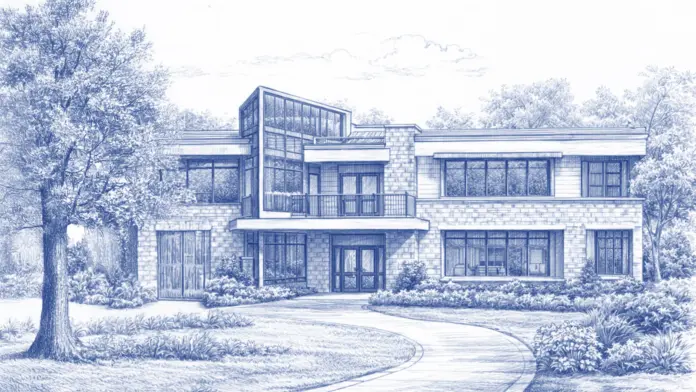
About Metropolitan Counseling Associates
Metropolitan Counseling Associates is a Bethesda based outpatient behavioral health practice offering personalized therapy and intensive outpatient care for teens, young adults and adults, couples and families.
The team integrates evidence based modalities including cognitive behavioral therapy, dialectical behavior therapy and EMDR, trauma informed care and family systems work to address anxiety, trauma and mood concerns, executive function challenges and life transitions.
With a thoughtful blend of therapy, coaching and developmental support, MCA helps clients build lasting skills for emotional and relational growth.
Young Adult IOP Care
Ascend is MCA’s flexible intensive outpatient program designed for young adults ages 18 to 28.
The program offers variable weekly support delivered in person or via telehealth, allowing participants to stay engaged with school, work or daily life while receiving structured care.
Sessions focus on emotional regulation and executive functioning, relational skills and developmental growth with medication management support available.
Clients and families consistently describe Ascend as life changing, highlighting strong family involvement and a collaborative team approach.
Therapy and Family Support
Beyond Ascend, MCA provides trauma focused therapy using EMDR, mindfulness and psychodynamic approaches, alongside SPACE therapy for parents of children and young adults navigating anxiety or OCD related challenges.
The practice also offers parent coaching, family and couples therapy, and the proprietary LaunchWell™ college readiness program.
Getting Started
MCA serves clients in person at its Bethesda Metro Center office and via telehealth across communities including Chevy Chase, Potomac, Silver Spring and Washington, DC.
The practice is out of network and does not bill insurance directly, though sliding scale options and a reduced fee program with supervised graduate interns are available; major credit cards and HSA payments are accepted.
Latest Reviews



Rehab Score
 Our Methodology


Location
Accepted Insurance
Other Forms of Payment
Private insurance refers to any kind of healthcare coverage that isn't from the state or federal government. This includes individual and family plans offered by an employer or purchased from the Insurance Marketplace. Every plan will have different requirements and out of pocket costs so be sure to get the full details before you start treatment.
Self-pay involves paying for treatment out of your own pocket. You can use savings or credit, get a personal loan, or receive help from family and friends to fund your treatment. If you don't have insurance or your insurance plan doesn't cover a specific program, self-pay can help ensure you still get the care you need.
Medicare is a federal program that provides health insurance for those 65 and older. It also serves people under 65 with chronic and disabling health challenges. To use Medicare for addiction treatment you need to find a program that accepts Medicare and is in network with your plan. Out of pocket costs and preauthorization requirements vary, so always check with your provider.
Military members, veterans, and eligible dependents have access to specific insurance programs that help them get the care they need. TRICARE and VA insurance can help you access low cost or no cost addiction and mental health treatment. Programs that accept military insurance often have targeted treatment focused on the unique challenges military members, veterans, and their families face.
Addiction Treatments
Levels of Care
Outpatient Programs (OP) are for those seeking mental rehab or drug rehab, but who also stay at home every night. The main difference between outpatient treatment (OP) and intensive outpatient treatment (IOP) lies in the amount of hours the patient spends at the facility. Most of the time an outpatient program is designed for someone who has completed an inpatient stay and is looking to continue their growth in recovery. Outpatient is not meant to be the starting point, it is commonly referred to as aftercare.
Treatments
Mental health rehabs focus on helping individuals recover from mental illnesses like bipolar disorder, clinical depression, anxiety disorders, schizophrenia, and more. Mental health professionals at these facilities are trained to understand and treat mental health issues, both in individual and group settings.
Substance rehabs focus on helping individuals recover from substance abuse, including alcohol and drug addiction (both illegal and prescription drugs). They often include the opportunity to engage in both individual as well as group therapy.
Programs
Adult rehab programs include therapies tailored to each client's specific needs, goals, and recovery progress. They are tailored to the specific challenges adult clients may face, including family and work pressures and commitments. From inpatient and residential treatment to various levels of outpatient services, there are many options available. Some facilities also help adults work through co-occurring conditions, like anxiety, that can accompany addiction.
Clinical Services
Cognitive behavioral therapy in Maryland emphasizes your current life rather than what has happened in the past. Your therapist will help you develop methods to deal with current and future challenges so you can cope in healthy ways that don't involve substances.
During dialectical behavior therapy sessions, you'll review the challenges you faced the previous week and the feelings you experienced during those times. You and your therapist will engage in problem solving, discussing how you can handle those situations in the future for a better outcome. This involves keeping a diary throughout the week to track your emotions.
Cognitive behavioral therapy and motivational interviewing techniques are often part of group therapy sessions. These are evidence based techniques that address thinking and behavioral patterns that trigger addictive behavior. Learning how to address these thought patterns can help create lasting change.
In individual therapy, a patient meets one-on-one with a trained psychologist or counselor. Therapy is a pivotal part of effective substance abuse treatment, as it often covers root causes of addiction, including challenges faced by the patient in their social, family, and work/school life.
 Eye Movement Desensitization And Reprocessing
Families in Maryland address the impact of addiction during family therapy. Your therapist fosters open communication between family members to help resolve conflicts and create a supportive environment. By improving relationships, you aid the recovery of the individual struggling with addiction.
Amenities
-
 Residential Setting
 -
 Private Rooms
Staff

Amye L. Fried, LCSW-C
Co-Founder

Chelsea Kaplan, M.S.Ed
Director of Outreach

Rebecca Kullback, LCSW-C
Director of Outpatient Services
Rehab.com regularly reviews this listing for accuracy but changes may occur between updates. For the most up-to-date information, please contact Metropolitan Counseling Associates.
Contact Information


3 Bethesda Metro Center
Suite 840
Bethesda, MD 20814
Sponsored Helpline

