





























































































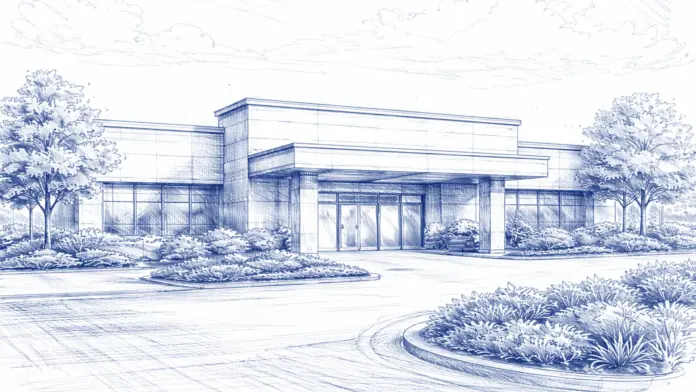
About Michigan Counseling Group
Latest Reviews



Rehab Score
 Our Methodology


Location
Other Forms of Payment
Private insurance refers to any kind of healthcare coverage that isn't from the state or federal government. This includes individual and family plans offered by an employer or purchased from the Insurance Marketplace. Every plan will have different requirements and out of pocket costs so be sure to get the full details before you start treatment.
Self-pay involves paying for treatment out of your own pocket. You can use savings or credit, get a personal loan, or receive help from family and friends to fund your treatment. If you don't have insurance or your insurance plan doesn't cover a specific program, self-pay can help ensure you still get the care you need.
Addiction Treatments
Levels of Care
Clients receiving care at an outpatient rehab remain in their own homes and attend treatment as often as daily, depending on the level of need. Outpatient care generally consists of psychotherapy, addiction education, life skills training, and community reintegration support. Many outpatient treatment centers provide step-down care, including partial hospitalization (PHP), intensive outpatient (IOP), sober living, and standard outpatient services. Some outpatient rehabs also offer ambulatory medical detox and medication assisted treatment (MAT).
Treatments
Alcoholism is characterized by the excessive or compulsive use of alcohol, which does not stop despite negative consequences. This compulsive use leads to psychological and physical dependence. To break this dependence, alcohol rehab in Michigan is necessary. Treatment is available from a range of services, including residential programs, outpatient treatment, AA, medical detox, and evidence-based counseling. Support systems are also a crucial part of long-term recovery.
Drug rehab in Michigan provides personalized treatment to help individuals break this cycle and regain control of their lives. Treatment methods are used in various levels of care, including inpatient rehab, partial hospitalization programs, intensive outpatient programs, and standard outpatient treatment.
 Opioid Addiction
Programs
Teen programs are designed to address the unique pressures teens face, pressures that can drive them to experiment with dangerous, addictive substances. They need programs that meet them exactly where they are and give them tools for long-term recovery. Therapy can help teenagers understand and work through underlying issues so they can reclaim the life ahead of them.
Adult rehab programs include therapies tailored to each client's specific needs, goals, and recovery progress. They are tailored to the specific challenges adult clients may face, including family and work pressures and commitments. From inpatient and residential treatment to various levels of outpatient services, there are many options available. Some facilities also help adults work through co-occurring conditions, like anxiety, that can accompany addiction.
The providers who specialize in the children's rehab space understand the specialized needs that this population faces. School-based and social services such as tutoring and family counseling are often central to treatment. Child programs may also address the needs of youth experiencing substance abuse in the home, including a parent's or sibling's addiction.
Clinical Services
Personalized therapy sessions for drug addiction emphasize understanding your background and behavioral triggers for substance use. Your therapist will collaborate with you to create an effective coping strategy and address underlying issues that clear the way for lasting change.
Both internal and external factors can put stress on a relationship. Couples therapy helps you and your partner work through those stressors and find healthy ways to deal with challenges as they arise.
Family therapy is often recommended for family units with a member undergoing drug or alcohol rehabilitation. Family therapy helps to foster communication and conflict resolution that creates a supportive environment. This helps the loved one who is struggling with addiction.
Group therapy sessions in Michigan allow you to share responsibility with your peers in a group setting. This fosters a collective commitment to achieve sobriety and learn coping skills that are essential to improving your relationships and reducing your stress levels.
Rehab.com regularly reviews this listing for accuracy but changes may occur between updates. For the most up-to-date information, please contact Michigan Counseling Group.
Contact Information


2449 12 Mile Rd, Warren, MI 48092
Sponsored Helpline


