





























































































About Newport Academy Outpatient
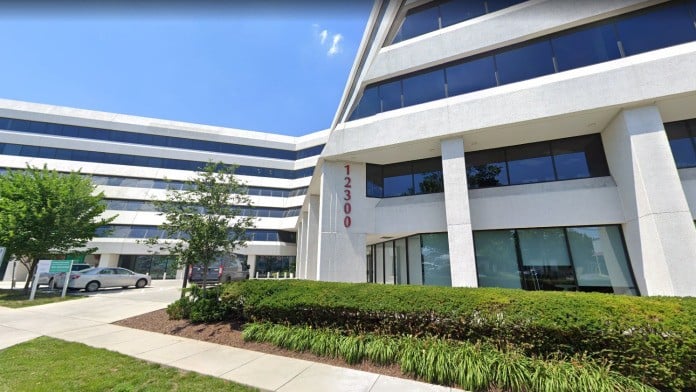
Newport Academy Outpatient in Rockville, Maryland is a teen focused behavioral health and addiction treatment provider serving adolescents and their families throughout Montgomery County.
The program offers partial hospitalization, intensive outpatient and lower acuity outpatient services that blend trauma focused, family centered care with academic support.
Families often describe the staff as attentive, communicative and genuinely protective of the teens in their care.
What kinds of treatment are available?
The Rockville program provides partial hospitalization, intensive outpatient and outpatient services, plus a virtual IOP option that can serve as a step down from residential care.
Treatment includes therapy, daily process groups and evidence based modalities like cognitive behavioral therapy and dialectical behavior therapy, EMDR and attachment based family therapy.
Who can get help here?
Newport Academy Outpatient serves teens and adolescents, ages 12 to 18.
The program supports people facing trauma, depression and anxiety, substance use and co-occurring disorders, OCD and eating disorders, ADHD and school related struggles.
Where is the center located?
The program sits in the heart of Montgomery County, about a block from the Twinbrook Metro train and bus stops and roughly 20 minutes from Washington, DC.
It serves Rockville, Bethesda and Silver Spring, Gaithersburg and surrounding communities, with community outings into nearby parks and nature areas.
Do they take insurance?
Newport Academy works with most major insurance companies, including Aetna and Cigna, CareFirst and Kaiser Mid-Atlantic, UnitedHealthcare and others, with out of network coverage referenced.
Latest Reviews



Rehab Score
 Our Methodology


Gallery


Other Forms of Payment
Private insurance refers to any kind of healthcare coverage that isn't from the state or federal government. This includes individual and family plans offered by an employer or purchased from the Insurance Marketplace. Every plan will have different requirements and out of pocket costs so be sure to get the full details before you start treatment.
Self-pay involves paying for treatment out of your own pocket. You can use savings or credit, get a personal loan, or receive help from family and friends to fund your treatment. If you don't have insurance or your insurance plan doesn't cover a specific program, self-pay can help ensure you still get the care you need.
Financial aid can take many forms. Centers may have grants or scholarships available to clients who meet eligibility requirements. Programs that receive SAMHSA grants may have financial aid available for those who need treatment as well. Grants and scholarships can help you pai for treatment without having to repay.
Sliding scale payments are based on a client's income and family size. The goal is to make treatment affordable to everyone. By taking these factors into account, addiction recovery care providers help ensure that your treatment does not become a financial burden to you or your family, eliminating one barrier to care.
Medicaid is a state based program that helps lower-income individuals and families pay for healthcare. Medicaid covers addiction treatment so those enrolled can use their coverage to pay for rehab. When a program accepts Medicaid the client often pays very little or nothing out of their own pocket.
Addiction Treatments
Levels of Care
Clients who are exiting detox or intensive inpatient treatment often enroll in outpatient rehab programs to ensure a robust continuity of care. Outpatient programs allow clients to remain in or return to their homes and workplaces while continuing to receive treatment, which typically includes addiction counseling and recovery-focused life skills training. Clients in opioid and/or alcohol recovery may also receive medication assisted treatment (MAT), including medication induction and maintenance, at an outpatient facility.
Residential treatment programs are those that offer housing and meals in addition to substance abuse treatment. Rehab facilities that offer residential treatment allow patients to focus solely on recovery, in an environment totally separate from their lives. Some rehab centers specialize in short-term residential treatment (a few days to a week or two), while others solely provide treatment on a long-term basis (several weeks to months). Some offer both, and tailor treatment to the patient's individual requirements.
Clients who are leaving inpatient rehab often choose to transition into an intensive outpatient program (IOP) to receive high-level support as they reintegrate into their home, workplace, and community. Intensive outpatient rehab also benefits those at risk of relapse. Clients typically participate in nine to 20 hours of treatment weekly, with modalities ranging from psychotherapy to addiction and recovery education. Many programs also provide medication assisted treatment (MAT) and complementary care, such as nutrition counseling, and acupuncture.
Clients receiving support in a rehab aftercare program typically partner with their case manager and care team to identify and access the services that best align with their recovery needs and goals. Rehab aftercare services are designed to evolve with clients' changing needs to promote their long-term sobriety. Care modalities are highly customized and may include a range of medical, mental health, and social service resources, including peer coaching, career counseling, and 12 step program induction.
If you think a loved one needs help with substance abuse, but they are not seeking treatment, it may be time for a drug intervention in Maryland. Intervention services can help you with this effort. During the intervention, loved ones share how their addiction-related behavior has affected them and encourage the individual to get treatment. The intervention specialist helps facilitate the conversation and explain how treatment can help.
Quitting drugs and alcohol on your own can cause uncomfortable and even dangerous side effects caused by the withdrawal process. In medically assisted detox, a team of licensed medical professionals will monitor your health, provide medication for potential withdrawal symptoms, and work to keep you safe and comfortable. Most people transition to an inpatient program or a maintenance program that uses medication assisted treatment (MAT).
Treatments
Treatment for drug and alcohol addiction often centers on improving mental health. Inpatient care is ideal for people who need closer monitoring while receiving therapeutic and mental health services. Standard therapies include group and individual counseling, relapse prevention education, coping skills training, cognitive-behavioral therapy (CBT), motivational interviewing and family support groups. With all critical therapies combined, there is a greater chance for improving mental health and achieving sustained recovery.
Substance rehabs focus on helping individuals recover from substance abuse, including alcohol and drug addiction (both illegal and prescription drugs). They often include the opportunity to engage in both individual as well as group therapy.
Programs
Adult rehab programs include therapies tailored to each client's specific needs, goals, and recovery progress. They are tailored to the specific challenges adult clients may face, including family and work pressures and commitments. From inpatient and residential treatment to various levels of outpatient services, there are many options available. Some facilities also help adults work through co-occurring conditions, like anxiety, that can accompany addiction.
Young adulthood can be an exciting, yet difficult, time of transition. Individuals in their late teens to mid-20s face unique stressors related to school, jobs, families, and social circles, which can lead to a rise in substance use. Rehab centers with dedicated young adult programs will include activities and amenities that cater to this age group, with an emphasis on specialized counseling, peer socialization, and ongoing aftercare.
Clinical Services
Cognitive behavioral therapy in Maryland emphasizes your current life rather than what has happened in the past. Your therapist will help you develop methods to deal with current and future challenges so you can cope in healthy ways that don't involve substances.
Cognitive behavioral therapy and motivational interviewing techniques are often part of group therapy sessions. These are evidence based techniques that address thinking and behavioral patterns that trigger addictive behavior. Learning how to address these thought patterns can help create lasting change.
Individualized one on one therapy allows the therapist to focus on your specific challenges and strengths. Using a personalized approach enables the therapist to help you develop effective coping mechanisms and build a more stable and fulfilling substance free life.
Four key principles guide motivational interviewing. These are empathy, self efficacy, rolling with resistance, and developing discrepancy. These techniques allow the client to examine their motivations for change, identify discrepancies in their current situation and future goals, and feel empowered to make changes to reach their goals.
The focus of trauma therapy is to heal the emotional wounds that occurred when you witnessed or experienced a traumatic event. Therapy helps you process this trauma emotionally and mentally so you develop healthier coping skills and improve your quality of life.
Families in Maryland address the impact of addiction during family therapy. Your therapist fosters open communication between family members to help resolve conflicts and create a supportive environment. By improving relationships, you aid the recovery of the individual struggling with addiction.
Life skills may be as simple as preparing a meal or as complex as interpersonal communication. They cover a broad range, encompassing the core skills you'll need for a successful long term recovery. Rehab in Maryland focuses on helping you develop or re learn these skills so you can live a healthy, independent life in recovery.
Active addiction robs your body of nutrients. You need to restore a balanced diet to sustain recovery. Nutrition therapy helps you do this. You'll learn about the best foods for mental and physical health and how to establish healthier eating patterns in your life.
Engaging in recreational therapy during your addiction recovery provides you with a sense of accomplishment and joy. Art projects, physical fitness programs, and outdoor adventures help support your physical health, improve your mood, and build a supportive community that will help promote a sober lifestyle.
Amenities
-
 Private Setting
 -
 Residential Setting
Staff
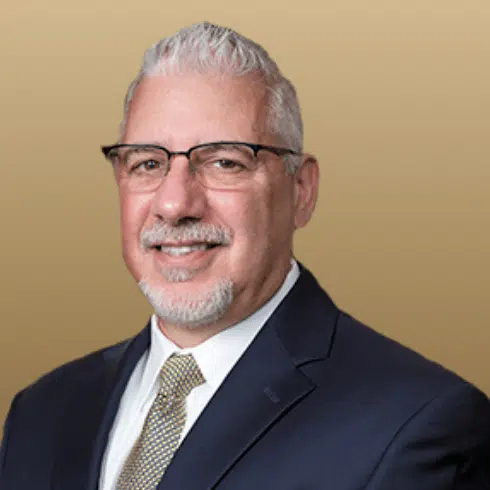
Joe Procopio
CEO
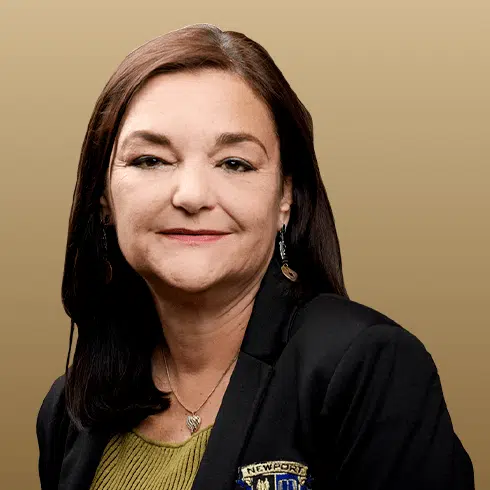
Barbara Nosal, PhD, LMFT, LADC
Chief Clinical Officer
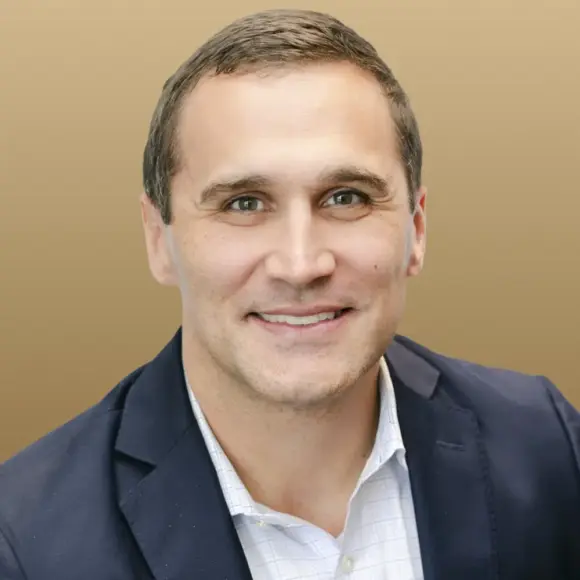
Jameson Norton, MBA, FACHE
COO
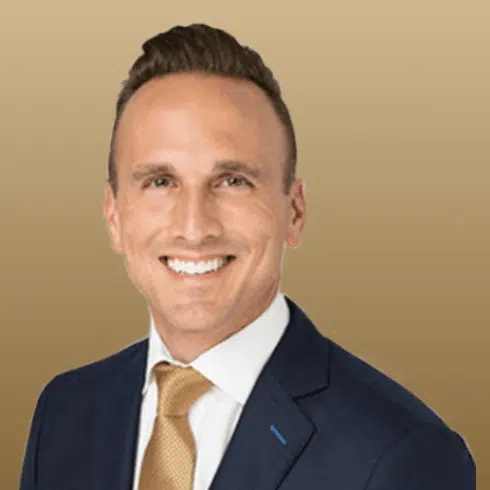
Jay Campbell
Chief Growth Officer
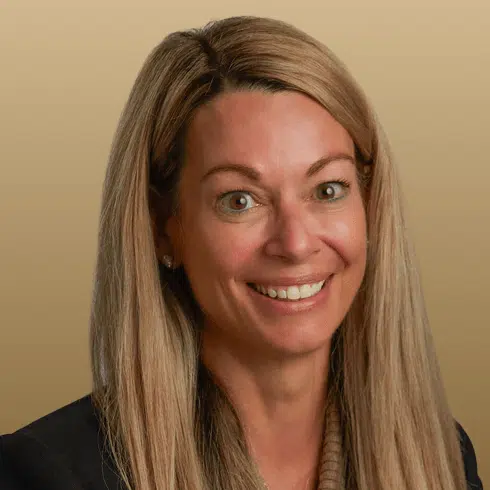
Kristin Wilson, MA, LPC, CCTP
Chief Experience Officer
Rehab.com regularly reviews this listing for accuracy but changes may occur between updates. For the most up-to-date information, please contact Newport Academy Outpatient.
Contact Information


12300 Twinbrook Pkwy
Rockville, MD 20852
Sponsored Helpline


