






























































































if you feel you need to go to a facility please go somewhere else. if you end up in the ER and they make you stay here, good luck. after a short and traumatizing and absolutely ridiculous involuntary stay, i have so many terrible things to say about this place. the facility ...
About Piedmont Medical Center Center For Psychiatry Piedmont
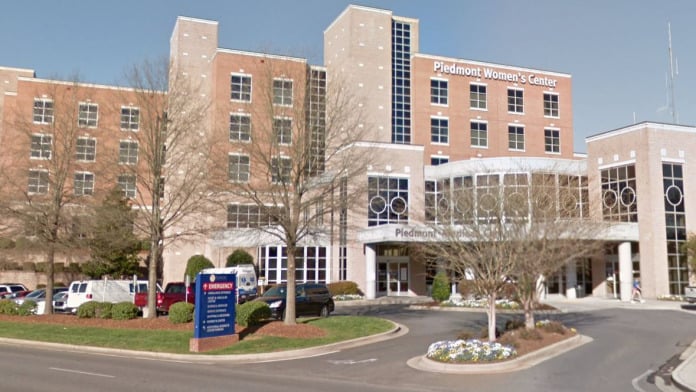
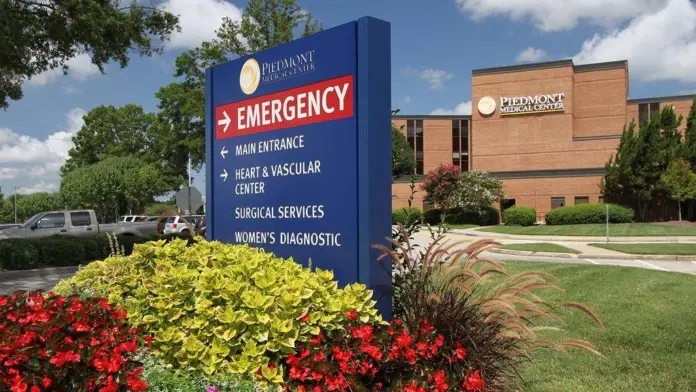
Center For Psychiatry is Piedmont Medical Center’s hospital-based addiction and behavioral health treatment provider in Rock Hill, South Carolina.
The program offers a full continuum of care, including inpatient treatment, partial hospitalization and outpatient services, all beginning with an assessment to match each person to the right level of care.
Reviewers often praise the nursing team and supportive staff, with one noting the program gave them the tools to stay clean for years.
Flexible Program Options
The center provides inpatient treatment with 24/7 care, partial hospitalization with a Monday-through-Friday schedule and intensive outpatient and outpatient services.
Programming includes individual, group, family and couples therapy, experiential therapy, relapse prevention, psychoeducational classes and 12-step support.
Guests can develop healthy copings skills, learn specific substance use triggers and attend support meetings with others who understand the challenges recovery may include.
Dual Diagnosis Recovery
Programs serve adults and young adults dealing with substance use, mental health, or both.
Dual-diagnosis care supports conditions such as bipolar disorder, depression, anxiety and schizophrenia alongside addiction rather than treating these issues separately.
The program is located on the Piedmont Medical Center hospital campus serving York County and surrounding communities. The setting includes private rooms, gardens and walking trails.
Facility Overview
 288
288 Number of Available Beds
Latest Reviews
I came to PMC because my bipolar meds weren’t working & I asked for help. Most of the staff was AMAZING - especially the nurses & Dr Micah. I wish I could thank him in person because I truly believe he saved my life !!! 2 months later I’ve graduated a 28 day in patient rehab & and at a transitional living facility that I Love 💕
I was admitted with extreme vitals. I received excellent treatment. I was very impressed with my care for the entire time. I was in the hospital for a month. The staff went well beyond what I expected.
Reviewed on 02/27/2019
Piedmont Medical Center has given me the tools and knowledge to get and stay clean for years. With effort, determination and a yearning for a better life, anyone can change with their help. We are not alone here. The staff helps you clear the mind of doubts and reservations.

Rehab Score
 Our Methodology
Scoring is assigned by a proprietary system which helps surface key metrics that determine quality. The 10-point scale factors in categories such as operations, customer satisfaction, and trust metrics. Read Full Methodology

5.7 / 10
Gallery
Other Forms of Payment
Medicaid is a state based program that helps lower-income individuals and families pay for healthcare. Medicaid covers addiction treatment so those enrolled can use their coverage to pay for rehab. When a program accepts Medicaid the client often pays very little or nothing out of their own pocket.
Private insurance refers to any kind of healthcare coverage that isn't from the state or federal government. This includes individual and family plans offered by an employer or purchased from the Insurance Marketplace. Every plan will have different requirements and out of pocket costs so be sure to get the full details before you start treatment.
Self-pay involves paying for treatment out of your own pocket. You can use savings or credit, get a personal loan, or receive help from family and friends to fund your treatment. If you don't have insurance or your insurance plan doesn't cover a specific program, self-pay can help ensure you still get the care you need.
Financial aid can take many forms. Centers may have grants or scholarships available to clients who meet eligibility requirements. Programs that receive SAMHSA grants may have financial aid available for those who need treatment as well. Grants and scholarships can help you pai for treatment without having to repay.
Medicare is a federal program that provides health insurance for those 65 and older. It also serves people under 65 with chronic and disabling health challenges. To use Medicare for addiction treatment you need to find a program that accepts Medicare and is in network with your plan. Out of pocket costs and preauthorization requirements vary, so always check with your provider.
Military members, veterans, and eligible dependents have access to specific insurance programs that help them get the care they need. TRICARE and VA insurance can help you access low cost or no cost addiction and mental health treatment. Programs that accept military insurance often have targeted treatment focused on the unique challenges military members, veterans, and their families face.
Addiction Treatments
Levels of Care
Outpatient rehabs provide flexibility and accommodation for clients who prefer to remain in their homes and workplaces while in recovery. They also facilitate clients' sustained sobriety for clients stepping down from intensive inpatient care. Clients may engage in day, evening, night, or weekend treatment sessions, which typically involve addiction counseling and recovery-focused life skills training. Many outpatient facilities also offer medication assisted treatment (MAT) and evidence-based holistic therapies, such as yoga and massage.
Residential treatment programs are those that offer housing and meals in addition to substance abuse treatment. Rehab facilities that offer residential treatment allow patients to focus solely on recovery, in an environment totally separate from their lives. Some rehab centers specialize in short-term residential treatment (a few days to a week or two), while others solely provide treatment on a long-term basis (several weeks to months). Some offer both, and tailor treatment to the patient's individual requirements.
Clients undergoing treatment in an intensive outpatient program (IOP) remain in or return to their homes following detox and/or inpatient rehab. They engage in multiple, extended treatment sessions weekly, with most intensive outpatient rehabs requiring between nine and 20 therapeutic hours per week. These programs are ideal for clients in early recovery and those at an elevated risk of relapse and typically combine counseling, recovery education, holistic care, and medication assisted treatment (MAT).
Clients engaged in a rehab aftercare program are in a more advanced stage of recovery. Many have already completed inpatient detox and/or rehab and have returned to their home, workplace, and community. Rehab aftercare services are designed to support clients' recovery over the long term and typically include a broad portfolio of resources, such as peer coaching and 12 step program induction. Clients may collaborate with their case manager and care team to create their care plan.
Treatments
Many of those suffering from addiction also suffer from mental or emotional illnesses like schizophrenia, bipolar disorder, depression, or anxiety disorders. Rehab and other substance abuse facilities treating those with a dual diagnosis or co-occurring disorder administer psychiatric treatment to address the person's mental health issue in addition to drug and alcohol rehabilitation.
Mental health rehabs focus on helping individuals recover from mental illnesses like bipolar disorder, clinical depression, anxiety disorders, schizophrenia, and more. Mental health professionals at these facilities are trained to understand and treat mental health issues, both in individual and group settings.
Programs
Adult rehab programs include therapies tailored to each client's specific needs, goals, and recovery progress. They are tailored to the specific challenges adult clients may face, including family and work pressures and commitments. From inpatient and residential treatment to various levels of outpatient services, there are many options available. Some facilities also help adults work through co-occurring conditions, like anxiety, that can accompany addiction.
Young adulthood can be an exciting, yet difficult, time of transition. Individuals in their late teens to mid-20s face unique stressors related to school, jobs, families, and social circles, which can lead to a rise in substance use. Rehab centers with dedicated young adult programs will include activities and amenities that cater to this age group, with an emphasis on specialized counseling, peer socialization, and ongoing aftercare.
Clinical Services
Whether a marriage or other committed relationship, an intimate partnership is one of the most important aspects of a person's life. Drug and alcohol addiction affects both members of a couple in deep and meaningful ways, as does rehab and recovery. Couples therapy and other couples-focused treatment programs are significant parts of exploring triggers of addiction, as well as learning how to build healthy patterns to support ongoing sobriety.
Experiential therapy is a form of therapy in which clients are encouraged to surface and work through subconscious issues by engaging in real-time experiences. Experiential therapy departs from traditional talk therapy by involving the body, and having clients engage in activities, movements, and physical and emotional expression. This can involve role-play or using props (which can include other people). Experiential therapy can help people process trauma, memories, and emotion quickly, deeply, and in a lasting fashion, leading to substantial and impactful healing.
Research clearly demonstrates that recovery is far more successful and sustainable when loved ones like family members participate in rehab and substance abuse treatment. Genetic factors may be at play when it comes to drug and alcohol addiction, as well as mental health issues. Family dynamics often play a critical role in addiction triggers, and if properly educated, family members can be a strong source of support when it comes to rehabilitation.
Group therapy is any therapeutic work that happens in a group (not one-on-one). There are a number of different group therapy modalities, including support groups, experiential therapy, psycho-education, and more. Group therapy involves treatment as well as processing interaction between group members.
In individual therapy, a patient meets one-on-one with a trained psychologist or counselor. Therapy is a pivotal part of effective substance abuse treatment, as it often covers root causes of addiction, including challenges faced by the patient in their social, family, and work/school life.
Nicotine Replacement Therapy (NRT) is a way of getting nicotine into the bloodstream without smoking. It uses products that supply low doses of nicotine to help people stop smoking. The goal of therapy is to cut down on cravings for nicotine and ease the symptoms of nicotine withdrawal.
Nutrition therapy, aka medical nutrition therapy (MNT), is a way of treating physical, emotional, and medical conditions through diet. Specific dietary plans are designed by professional nutritionists or registered dietitians, and patients follow them in order to positively affect their physical and mental health.
Amenities
-
 Residential Setting
 -
 Private Rooms
 -
 Gardens
 -
 Walking Trails
Staff

Teresa C. Urquhart
Market CEO
Daniel Bowen
Market COO

Chris Mitchell
CEO, Piedmont Medical Center – Fort Mill

Steve Gilmore
CFO
Amanda Dyle
Group/Market CFO

Steve Wright
Market Chief Strategy Officer

Mohammed Aslam
Market Chief Nursing Officer
David Schwartz, D.O.
Group Chief Medical Officer
Rehab.com regularly reviews this listing for accuracy but changes may occur between updates. For the most up-to-date information, please contact Piedmont Medical Center Center For Psychiatry Piedmont.
Contact Information

222 South Herlong Avenue
Rock Hill SC, 29732
Get Help Now - 803-575-2354
Sponsored Helpline
Sponsored Helpline


