





























































































About Revive Life House
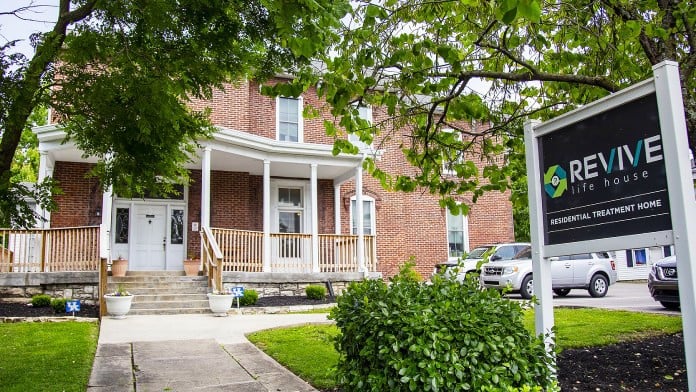
You can find Revive Life House on South Main Street in Nicholasville, Kentucky. They provide a residential treatment home that offers a supportive and healing environment for men with substance use disorders and co-occurring mental health issues. The center started up in 2016 and has been going ever since.
Their facility is located close to the Jessamine County Public Library, several markets and grocery stores and close to many restaurants and businesses. They are accessible to Route 27 and Route 68. They are in a largely rural community near Lake Mingo Park and the Camp Nelson National Monument.
Assorted Care Programs
The staff provides recovery-based services including clinical and medical care to men in a supportive, yet structured environment. I like that their team also offers educational programming to better inform clients of the risks to your health, relationships and mental wellness when facing addiction.
Their medical team provides full-time care onsite to clients and counselors and therapists work with clients to address past traumas in individual counseling and in a peer supported group setting.
Medications to Ease Cravings
They also assist those experiencing withdrawal symptoms from addictions by utilizing medication assisted treatment to help reduce cravings. They offer supervised medication management to ensure you are taking and receiving the right dosage to address your specific conditions and to adjust to progress in your recovery.
I find it good to know that they offer both a long- and short-term program, with their long-term residential program lasting six months or more. Both tracks prepare you for lifelong sobriety and independence, incorporating structured activities and services into your daily routine.
After client graduate, they enter transitional living. Programs may include job skill training, relapse prevention planning, adult education and the development of life skills and soft skills.
Latest Reviews



Rehab Score
 Our Methodology


Gallery
Accepted Insurance
Other Forms of Payment
Private insurance refers to any kind of healthcare coverage that isn't from the state or federal government. This includes individual and family plans offered by an employer or purchased from the Insurance Marketplace. Every plan will have different requirements and out of pocket costs so be sure to get the full details before you start treatment.
Self-pay involves paying for treatment out of your own pocket. You can use savings or credit, get a personal loan, or receive help from family and friends to fund your treatment. If you don't have insurance or your insurance plan doesn't cover a specific program, self-pay can help ensure you still get the care you need.
Medicaid is a state based program that helps lower-income individuals and families pay for healthcare. Medicaid covers addiction treatment so those enrolled can use their coverage to pay for rehab. When a program accepts Medicaid the client often pays very little or nothing out of their own pocket.
Addiction Treatments
Levels of Care
Outpatient Programs (OP) are for those seeking mental rehab or drug rehab, but who also stay at home every night. The main difference between outpatient treatment (OP) and intensive outpatient treatment (IOP) lies in the amount of hours the patient spends at the facility. Most of the time an outpatient program is designed for someone who has completed an inpatient stay and is looking to continue their growth in recovery. Outpatient is not meant to be the starting point, it is commonly referred to as aftercare.
Residential treatment programs are those that offer housing and meals in addition to substance abuse treatment. Rehab facilities that offer residential treatment allow patients to focus solely on recovery, in an environment totally separate from their lives. Some rehab centers specialize in short-term residential treatment (a few days to a week or two), while others solely provide treatment on a long-term basis (several weeks to months). Some offer both, and tailor treatment to the patient's individual requirements.
Sober Living Houses (SLHs), aka sober homes or halfway houses, are safe, substance-free, supportive living facilities for those recovering from substance abuse. Ideal for those who've just been through inpatient or outpatient treatment, SLHs are supervised environments with rules that support sobriety, such as curfews, shared chores, and therapeutic meetings. Residents are also often trained on life skills and coping skills to make it easier to transition into society. SLHs also provide a strong sense of community that can lead to the kind of deep and lasting connections with other sober individuals that supports a new, healthy lifestyle.
Intervention services provide an experienced professional to guide families through a drug intervention in Kentucky. The interventionist starts with an introduction, then acts as a mediator as family members share their concerns with the substance user. This addiction expert can then guide the family in appropriate next steps based on the outcome of the intervention. They can offer ongoing support for the intervention process, whether the individual chooses treatment or not.
A partial hospitalization program (PHP) is a short-term form of intensive rehab, usually for those with acute symptoms that are hard to manage but don’t require 24-hour care. PHPs have structured programming (i.e. individual and/or group therapy), and usually meet 3-5 days a week for around 6 hours (i.e. 9am-3m). Some PHPs are residential (patients sleep on site) and some are not, so patients sleep at home. PHPs can last from 1-6 months, and some offer transportation and meals.
Intensive levels of rehab involve 24-hour clinical care in Kentucky. This level of care is for those who have severe substance use disorders and need medical stabilization. Drug dependency can cause extreme withdrawal symptoms when the drug use stops, so this supervised care is necessary to treat those symptoms. Treatment involves 24-hour medical care, counseling, and medications.
Drug and alcohol addiction often takes a heavy toll on one’s body. Over time, a physical dependence can develop, meaning the body physiologically needs the substance to function. Detox is the process of removing drugs and/or alcohol from the body, a process that can be lethal if mismanaged. Medical detox is done by licensed medical professionals who monitor vital signs and keep you safe, healthy, and as comfortable as possible as you go through detox and withdrawal.
Intensive outpatient programs (IOP) specialize in high-level care for clients requiring robust support. This includes those in early recovery, those in crisis, and those stepping down from inpatient care. Clients typically participate in a minimum of nine treatment hours per week, but many intensive outpatient rehabs offer up to 20 hours of service weekly. Their primary treatment modalities generally combine psychotherapy and recovery education. Medication assisted treatment (MAT) for alcohol and/or opioid recovery is widely available.
Treatments
In Kentucky, comprehensive substance abuse treatment programs are available to address addiction and any co-occurring mental health disorders. Typically, treatment programs offer various levels of care, including outpatient, inpatient, and partial hospitalization. Treatment activities include individual and group therapy, recovery support meetings, evidence-based therapies such as cognitive-behavioral therapy (CBT), dialectical behavior therapy (DBT), and psychoeducation. By the end of treatment you will have the resources and supportive recovery community to sustain long-term mental health and sobriety.
Programs
Adult rehab programs include therapies tailored to each client's specific needs, goals, and recovery progress. They are tailored to the specific challenges adult clients may face, including family and work pressures and commitments. From inpatient and residential treatment to various levels of outpatient services, there are many options available. Some facilities also help adults work through co-occurring conditions, like anxiety, that can accompany addiction.
Young adulthood can be an exciting, yet difficult, time of transition. Individuals in their late teens to mid-20s face unique stressors related to school, jobs, families, and social circles, which can lead to a rise in substance use. Rehab centers with dedicated young adult programs will include activities and amenities that cater to this age group, with an emphasis on specialized counseling, peer socialization, and ongoing aftercare.
Men face specific challenges and concerns when seeking addiction treatment. Gender-specific recovery programs help them tackle these issues head-on in an environment that's focused, targeted, and distraction-free. It also gives them the opportunity to connect with and learn from other men who have been through a similar journey and can offer support for the next step.
Clinical Services
In individual therapy for drug and alcohol addiction, the therapist and patient work together to address the challenges and triggers that drive addictive behavior. This offers a customized approach to a healthier, substance free life.
Men and women in Kentucky participating in group therapy learn to express their feelings and struggles with drug addiction in a non judgmental atmosphere. Your peers can offer you empathy and encouragement because they understand your journey to recovery. This fosters a sense of community and belonging that may extend far after group therapy sessions.
Amenities
-
 Residential Setting
Staff & Accreditations
Staff
Todd Johns
CEO
Kevin Horn
COO
Sarah Long
Director, Compliance
Kalin Folden
Community Connection Coordinator
Amy Pendergest
Director, Finance & Human Resources
Ben Scott
Clinical Director
Lynnsey Vandeventer
Program Director, Clinical
Accreditations

The Commission on Accreditation of Rehabilitation Facilities (CARF) is a non-profit organization that specifically accredits rehab organizations. Founded in 1966, CARF's, mission is to help service providers like rehab facilities maintain high standards of care.
CARF Accreditation: Yes

State Licenses are permits issued by government agencies that allow rehab organizations to conduct business legally within a certain geographical area. Typically, the kind of program a rehab facility offers, along with its physical location, determines which licenses are required to operate legally.
State License: Kentucky
Rehab.com regularly reviews this listing for accuracy but changes may occur between updates. For the most up-to-date information, please contact Revive Life House.
Contact Information


800 S Main St
Suite C
Nicholasville, KY 40356
Sponsored Helpline



