Symetria — Hurst Outpatient Rehab & Suboxone Clinic
1
Top 10 Rehab Centers In Hurst




















































































Sage Recovery & Wellness Center is a substance use treatment provider in Austin, Texas offering outpatient levels of care for adults facing alcohol and drug addiction.
The center provides intensive outpatient, partial hospitalization and general outpatient services, blending evidence based therapies with holistic, whole person care.
Clients appreciate the supportive and wellness oriented environment designed to build lasting recovery skills.
Sage Recovery provides outpatient rehab that includes a partial hospitalization program, intensive outpatient program and individual therapy, group counseling and aftercare planning.
Treatment draws on cognitive behavioral therapy and dialectical behavior therapy, EMDR and trauma informed therapy, family therapy and holistic practices like yoga and meditation.
The center treats adults struggling with substance use disorders involving alcohol, opioids and benzodiazepines, stimulants and more.
Sage also specializes in dual diagnosis care for co-occurring conditions like anxiety and depression, PTSD and bipolar disorder, and offers a dedicated Professionals Program for executives and physicians, pilots and attorneys.
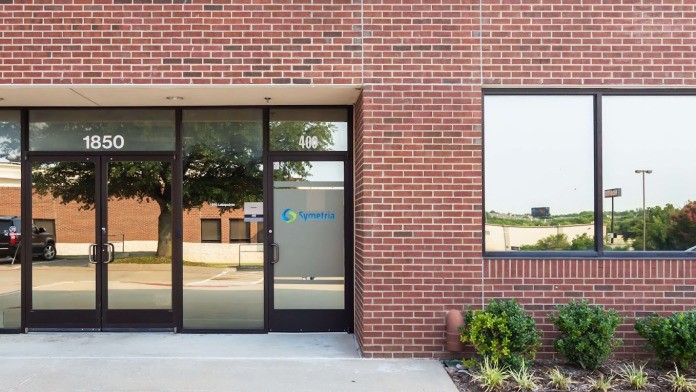
Sage Recovery & Wellness Center is located at 7004 Bee Caves Road, Building 2, Suite 200 in the Westlake area of Austin, Texas.
The convenient outpatient setting helps clients maintain work, school and family commitments during treatment.
The center is in network with most major insurance companies and can verify your benefits to determine coverage.
Sage also accepts private pay, major credit cards and offers payment plans to fit your needs.

 Our Methodology




Private insurance refers to any kind of healthcare coverage that isn't from the state or federal government. This includes individual and family plans offered by an employer or purchased from the Insurance Marketplace. Every plan will have different requirements and out of pocket costs so be sure to get the full details before you start treatment.
Self-pay involves paying for treatment out of your own pocket. You can use savings or credit, get a personal loan, or receive help from family and friends to fund your treatment. If you don't have insurance or your insurance plan doesn't cover a specific program, self-pay can help ensure you still get the care you need.
After completing some form of inpatient care, many clients transition or step down to an outpatient rehab, while some choose to transition from detox directly into outpatient care. High-intensity outpatient programming, including partial hospitalization (PHP) and intensive outpatient (IOP) is widely available for clients in early recovery, those leaving detox, and those at an elevated relapse risk. Clients in outpatient care generally engage in robust addiction counseling and recovery education, and some also receive medication assisted treatment (MAT).
Inpatient rehab programs are geared toward clients in early recovery. They also provide intensive support for clients in crisis and those at an increased relapse risk. Clients receive housing and meals while in inpatient care, allowing them to focus solely on their recovery. Most programs prioritize addiction counseling but may draw on various psychotherapeutic modalities, including CBT, DBT, RBT, trauma therapy, and motivational interviewing. Life skills training and holistic therapies are also common in inpatient care.
Intensive outpatient programs offer high-level care for clients as an increased risk of relapse, including those in early recovery, those with a strong history of relapse, and those experiencing a crisis. Intensive outpatient treatment typically requires clients to engage in nine to 20 hours of care weekly, with treatment modalities that combine psychotherapy and recovery education, and holistic therapies, such as acupuncture and animal therapy. Medication assisted treatment (MAT) is also common in alcohol and/or opioid recovery.
Rehab aftercare programs are based on a model of continuing care and the premise that recovery is a life-long process requiring ongoing client support. Many rehab aftercare services include outpatient care, but clients often continue to receive support after being discharged from formal treatment. Case managers and care teams typically collaborate with clients to design their long-term care plan, which may include peer coaching, career counseling, and 12 step program induction, among other services.
12 step programs promote participants' sustained sobriety through rigorous and ongoing peer coaching and personal spiritual growth. Participants routinely attend 12 step meetings, which are available multiple times per day, 365 days per year in most communities. This ensures that those in recovery have prompt access to the structure and support they need when they need it. These programs use spiritual precepts to address the root causes of addiction and encourage compassion, self-awareness, forgiveness, accountability, and acceptance.
Substance rehabs focus on helping individuals recover from substance abuse, including alcohol and drug addiction (both illegal and prescription drugs). They often include the opportunity to engage in both individual as well as group therapy.
Adult rehab programs include therapies tailored to each client's specific needs, goals, and recovery progress. They are tailored to the specific challenges adult clients may face, including family and work pressures and commitments. From inpatient and residential treatment to various levels of outpatient services, there are many options available. Some facilities also help adults work through co-occurring conditions, like anxiety, that can accompany addiction.
Recovery is most successful when clients feel accepted and validated by their peers and treatment providers. Facilities that offer LGBTQ-inclusive programming are committed to creating a safe space where everyone can grow and recover without fear of judgment or discrimination. They will have dedicated policies in place to create a safe and supportive environment that fosters free expression.
The goal of cognitive behavioral therapy (CBT) in Texas is to change thought patterns, which leads to changes in behavior. Specific techniques during CBT can include self talk, SMART goals, journaling, and positive activities.
Treatment that takes a dialectical behavior therapy approach focuses on four strategies. Distress tolerance will help you accept and tolerate intense emotions. Emotional regulation will teach you to manage those emotions. Mindfulness will keep you in the present moment instead of regret or worry. Interpersonal effectiveness will teach you to manage your relationships.
 Equine Therapy
Peer support is an important aspect of group therapy sessions for drug and alcohol addiction. As you and your peers share stories and encourage each other, it fosters a sense of community and belonging that helps you process your feelings and reduces the sense of isolation that is associated with addiction.
Individual therapy offers you a confidential space to address the complexities of your drug or alcohol addiction. Your therapist guides these personalized sessions to help develop self awareness and manage stress. This promotes sustained sobriety and overall well being.
Together with an experienced trauma therapist, you work on healing emotional wounds from traumatic experiences within a trauma therapy environment. Your therapist will help you process the experience of the trauma, which promotes emotional healing and improves your overall mental health.
Couples therapy helps couples learn to control emotions, trust each other, and communicate more effectively. It can be useful for short term intervention for a specific issue or for working on the relationship long term.
 Eye Movement Desensitization And Reprocessing
The purpose of family therapy is to create a supportive and understanding family dynamic within the family unit. Therapists help individual members to identify and change harmful behavior patterns and improve communication. This provides a stable foundation for the family and their loved one's recovery.
The right life skills training will help you build the skills you need for recovery. You'll learn how to solve problems, improve your social life, enhance your mental health, and make good decisions. This is a key component of drug rehab programs in Texas.
Creative arts therapy focuses on creative processes. You may engage in sculpting, dancing, improv, painting, or sketching. These creative outlets provide an opportunity to explore and express difficult emotions.
Experiential therapy in Texas can look different for each person. You may engage in fitness activities, community service, culinary arts, or art therapy, for example. The goal is to provide a safe setting where you can interact with your environment and work through emotions and experiences with the help of that activity and the guidance of a therapist.
 Residential Setting
  Private Rooms
President & Founder

Medical Director
Physician Assistant

Chief Revenue Officer

Executive Assistant
Nurse Practitioner
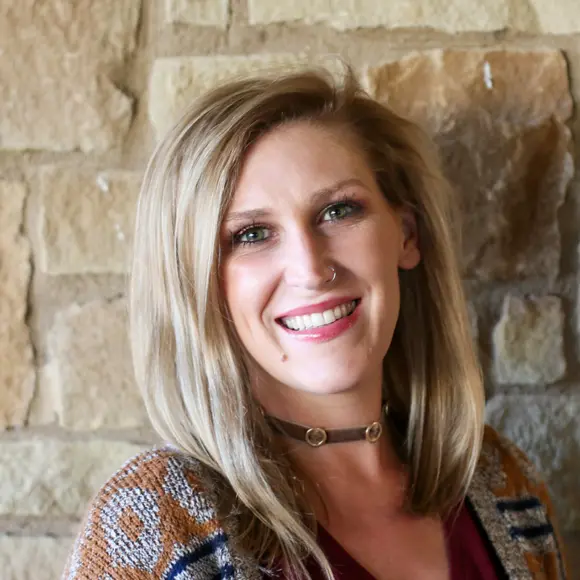
Villa House Manager
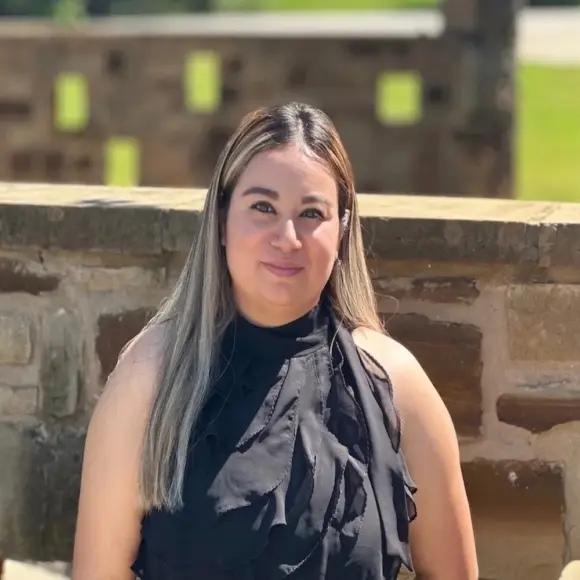
Billing AR Follow up Specialist

The Substance Abuse and Mental Health Services Administration (SAMHSA) is a branch of the U.S. Department of Health and Human Services. Established in 1992 by congress, SAMHSA's mission is to reduce the impact of substance abuse and mental illness on American's communities.
SAMHSA Listed: Yes

LegitScript has reviewed Sage Recovery & Wellness Center: Alcohol & Drug Rehab Austin Texas as part of their certification program, and has determined that it meets the LegitScript standards for legality, safety and transparency.
LegitScript verified in

State Licenses are permits issued by government agencies that allow rehab organizations to conduct business legally within a certain geographical area. Typically, the kind of program a rehab facility offers, along with its physical location, determines which licenses are required to operate legally.
State License: Texas

The Joint Commission, formerly known as JCAHO, is a nonprofit organization that accredits rehab organizations and programs. Founded in 1951, the Joint Commision's mission is to improve the quality of patient care and demonstrating the quality of patient care.
Joint Commission Accreditation: Yes
Rehab.com regularly reviews this listing for accuracy but changes may occur between updates. For the most up-to-date information, please contact Sage Recovery & Wellness Center: Alcohol & Drug Rehab Austin Texas.

7004 Bee Cave Rd
Suite 2-200
Austin, TX 78746
Sponsored Helpline

Sage is a beautiful place filled with competent and compassionate people! Anyone struggling with their mental health should definitely check it out. Wonderful program helping people become happier and healthier!

They were deceitful about insurance, leading us to believe that they take our insurance. Then they wasted our time asking for an outside evaluation. Then after jumping through their hoops they told us they were out of network and it would be $50,000 for a 35 day program.

Dishonest and untrustworthy program. They don’t go by their own terms and conditions, they discharged me right after I told them I was pregnant. Do not go here!

Stage Recovery is filled with loving, skilled, and attentive staff. They use a holistic model, and honor the natural world and other powerful modalities of healing. I had the opportunity to work with Blake Goldstein, and she is kind, compassionate and incredibly skilled at her job. The people who work here are committed to support recovery in this world that can be so hard to navigate, and it was refreshing and encouraging to see the devotion and expertise on each level of the treatment team, including therapists, business development, and administration. Beyond the logistics, I felt a truly loving and warm feel when I went to the residential and IOP location. I would highly recommend Sage for a chance to reset and pivot from whatever is blocking you from living in your highest purpose.
 Back
Back
Sharing your insights and experiences can help others learn more about this rehab center.