





























































































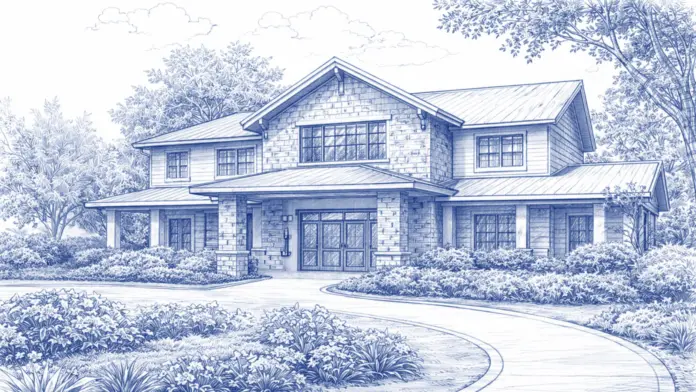
About Springs Health LLC
Springs Health LLC is a psychiatry led addiction treatment and mental health practice in Columbia, Maryland offering outpatient substance use treatment for patients of all ages.
The practice provides psychiatric evaluations and medication assisted treatment, therapy and relapse prevention through both in person and telehealth appointments.
Springs Health emphasizes individualized, holistic care that addresses the physical, psychological and social aspects of addiction and co-occurring conditions.
Addiction Treatment Programs
Care often begins with a psychiatric evaluation to assess needs and guide a personalized plan.
From there, the practice offers outpatient addiction treatment, private drug detox and coordination into further rehab or treatment when needed.
Clients can expect evidence based approaches including cognitive behavioral therapy, motivational interviewing and medication management, with Suboxone treatment for opioid use disorder.
Springs Health also treats co-occurring conditions such as anxiety and depression, PTSD and mood disorders, supporting long term recovery through relapse prevention planning.
Key Features
- Location: Columbia, Maryland on Little Patuxent Parkway, with telehealth available
- Levels of care: Outpatient addiction treatment, private detox and medication assisted treatment
- Who they treat: Children, teens, adults and older adults, plus individuals, couples and families
- Approach: Holistic, integrated psychiatric and addiction care using CBT and motivational interviewing
- Payment options: Accepts CareFirst BCBS and Cigna, Aetna and United, Medicaid and Medicare, TRICARE, cash and payment plans
- Special services: SPRAVATO, transcranial magnetic stimulation and telemedicine
Latest Reviews



Rehab Score
 Our Methodology


Location
Other Forms of Payment
Private insurance refers to any kind of healthcare coverage that isn't from the state or federal government. This includes individual and family plans offered by an employer or purchased from the Insurance Marketplace. Every plan will have different requirements and out of pocket costs so be sure to get the full details before you start treatment.
Self-pay involves paying for treatment out of your own pocket. You can use savings or credit, get a personal loan, or receive help from family and friends to fund your treatment. If you don't have insurance or your insurance plan doesn't cover a specific program, self-pay can help ensure you still get the care you need.
Addiction Treatments
Levels of Care
Quitting drugs and alcohol on your own can cause uncomfortable and even dangerous side effects caused by the withdrawal process. In medically assisted detox, a team of licensed medical professionals will monitor your health, provide medication for potential withdrawal symptoms, and work to keep you safe and comfortable. Most people transition to an inpatient program or a maintenance program that uses medication assisted treatment (MAT).
Clients who are exiting detox or intensive inpatient treatment often enroll in outpatient rehab programs to ensure a robust continuity of care. Outpatient programs allow clients to remain in or return to their homes and workplaces while continuing to receive treatment, which typically includes addiction counseling and recovery-focused life skills training. Clients in opioid and/or alcohol recovery may also receive medication assisted treatment (MAT), including medication induction and maintenance, at an outpatient facility.
Treatments
Alcohol use disorder (AUD), commonly referred to as alcoholism, can be classified as mild, moderate, or severe. Each category involves unhealthy patterns of alcohol consumption and can cause harmful effects. To treat alcohol addiction at any level, alcohol rehab in Maryland is often necessary. These treatment programs provide psychological, social, and medical supports that help individuals overcome alcohol addiction and maintain long-term recovery.
 Opioid Addiction
In Maryland, substance abuse treatment programs support individuals struggling with drugs or alcohol, and those who also have mental health conditions. These rehab programs vary, depending on the level of care you need. That might include inpatient rehab, or an outpatient program. Typically, substance abuse treatment includes evidence-based therapies such as cognitive-behavioral therapy (CBT), dialectical behavior therapy (DBT), recovery support meetings, and skills groups to equip you with new coping strategies when you leave rehab.
Clinical Services
Cognitive behavioral therapy in Maryland emphasizes your current life rather than what has happened in the past. Your therapist will help you develop methods to deal with current and future challenges so you can cope in healthy ways that don't involve substances.
 Transcranial Magnetic Stimulation
Rehab.com regularly reviews this listing for accuracy but changes may occur between updates. For the most up-to-date information, please contact Springs Health LLC.
Contact Information


10632 Little Patuxent Pkwy #249, Columbia, MD 21044
Sponsored Helpline


