































































































They treat you like a child and at the same time like an ex-convict, I do not understand how this is supposed to work, they intimidate me, never come here.
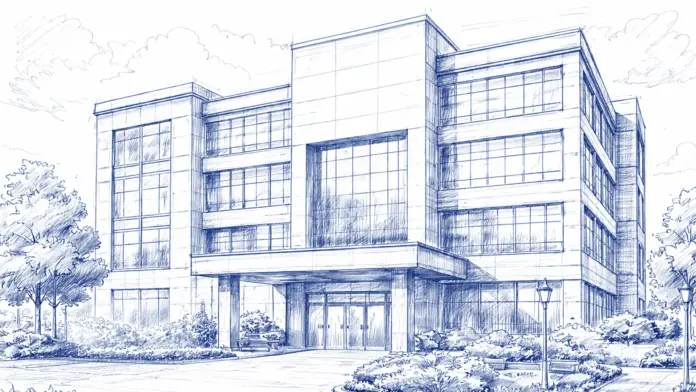
About The Bridge, Inc. – Home Campus
They have a special program called Diversion, which provides support if you’ve been arrested and need more immediate care. Most are court ordered to attend this program. If you’re admitted to this, you’ll receive specialized treatment. This treatment is focused on helping you finish your high school education and obtain a job. Basically, they’ll help you get ready for the adult world. You can expect to go to therapy and continue your classes that will lead to graduation. They’ll also address your family situation and what is going on at home.
Teens who have gone to this place have had a positive experience. However, parents of the kids mentioned that the staff was not the best at communication.
Latest Reviews
My son has only been there for a couple of days and I haven't even been there yet, but I wasn't handling him being gone very well so I called them just to see if he was doing ok and instead of just telling me that he was, they let me talk to him and hear for myself that he was ok and that meant so much to me and eased my mind so I definitely think he's in the right place and I look forward to getting to go see him and meeting some of the staff. I'm not sure who I spoke with that let me talk to him, but thank you so much.
The Bridge saved my son’s life. Everyone on staff treated him well and encouraged him on getting sober. Even after he successfully completed his time there they remained in contact to ensure he had all the support outside of there as well. My son chose to be there for all the right reasons and worked the program to ensure he would learn and recover. I can never thank the bridge and Dr. King enough in helping my son. There are very few places that offer adolescent substance abuse help and I am so thankful I found them.
The bridge is a great place. I went there twice but my first time i didn’t really care and was just doing the time and i knew i was going to do the same. I was only out for like 30 days then i had overdosed. When i had to go to court I had requested to go back because they were having a new program called oud/vega then the judge agreed to it. At first it was really rough because i was in pain and having headaches from the overdosed so i was waiting to go home then it hit me and i was talking more with my counselor and they helped me out a lot. Now i’m doing so much better i’m off probation and got a job. I’m sober now and i’m only 18 and i’m about to have my own house. I really recommend to go to The Bridge because they will really helpful and they are so nice. Thanks you for saving my life and getting the help i needed.

Rehab Score
 Our Methodology
Scoring is assigned by a proprietary system which helps surface key metrics that determine quality. The 10-point scale factors in categories such as operations, customer satisfaction, and trust metrics. Read Full Methodology

6.1 / 10
Location
Other Forms of Payment
Private insurance refers to any kind of healthcare coverage that isn't from the state or federal government. This includes individual and family plans offered by an employer or purchased from the Insurance Marketplace. Every plan will have different requirements and out of pocket costs so be sure to get the full details before you start treatment.
Self-pay involves paying for treatment out of your own pocket. You can use savings or credit, get a personal loan, or receive help from family and friends to fund your treatment. If you don't have insurance or your insurance plan doesn't cover a specific program, self-pay can help ensure you still get the care you need.
Financial aid can take many forms. Centers may have grants or scholarships available to clients who meet eligibility requirements. Programs that receive SAMHSA grants may have financial aid available for those who need treatment as well. Grants and scholarships can help you pai for treatment without having to repay.
Sliding scale payments are based on a client's income and family size. The goal is to make treatment affordable to everyone. By taking these factors into account, addiction recovery care providers help ensure that your treatment does not become a financial burden to you or your family, eliminating one barrier to care.
Medicare is a federal program that provides health insurance for those 65 and older. It also serves people under 65 with chronic and disabling health challenges. To use Medicare for addiction treatment you need to find a program that accepts Medicare and is in network with your plan. Out of pocket costs and preauthorization requirements vary, so always check with your provider.
Military members, veterans, and eligible dependents have access to specific insurance programs that help them get the care they need. TRICARE and VA insurance can help you access low cost or no cost addiction and mental health treatment. Programs that accept military insurance often have targeted treatment focused on the unique challenges military members, veterans, and their families face.
Medicaid is a state based program that helps lower-income individuals and families pay for healthcare. Medicaid covers addiction treatment so those enrolled can use their coverage to pay for rehab. When a program accepts Medicaid the client often pays very little or nothing out of their own pocket.
 Free
FreePrivate insurance refers to any kind of healthcare coverage that isn't from the state or federal government. This includes individual and family plans offered by an employer or purchased from the Insurance Marketplace. Every plan will have different requirements and out of pocket costs so be sure to get the full details before you start treatment.
Addiction Treatments
Levels of Care
Outpatient rehab is designed primarily for clients who do not require intensive clinical supervision. This includes clients who are exiting detox or inpatient care. Outpatient treatment typically involves addiction counseling, recovery education, and life skills training. These programs encompass varying levels of care, including partial hospitalization (PHP), intensive outpatient (IOP), standard outpatient (OP), and sober living/halfway house programs. Each category is defined by the frequency and intensity of treatment.
Inpatient rehab is designed primarily for clients exiting detox, people in early recovery, and those at an elevated risk of relapse. Participants reside at the rehab facility until they complete their treatment program. This allows them to focus solely on their recovery, away from outside distractions, stressors, and addiction triggers. Inpatient drug rehab typically involves extensive addiction counseling, recovery-focused life skills training, and complementary therapies.
Rehab aftercare programs are designed to provide support to you after completing an addiction treatment program. These programs are highly customized and evolve with your changing needs. You'll partner with staff at the treatment center to identify any specific medical, behavioral, and social services needed to support your sustained sobriety. Aftercare services may include peer coaching, career counseling, and other personalized support.
12 step programs are often considered the standard model for addiction recovery. They're based on the use of spiritual principles to support a gradual psychological, emotional, and spiritual shift to remediate the root causes of one's addiction. Treatment depends primarily on per coaching (sponsorship) and group recovery meetings. Though rooted in spiritual principles, participants do not need to be religious and sessions are non-denominational. Specialized groups, including meetings for seniors, teens, and family members, are often available.
A partial hospitalization program (PHP) provides comprehensive treatment to those who do not require 24/7 monitoring and offers a higher level of care than outpatient programs. Often referred to as "day treatment" patients typically attend sessions a minimum of 20 hours weekly, allowing clients to return home each day. PHP treatment is often covered by insurance and can provide daily therapeutic sessions and services such as relapse prevention and medication management.
Medically assisted detox is often the first step of addiction treatment. At the medical detox level of care, you are weaning your body off drugs and/or alcohol under the care of licensed medical professionals who constantly monitor your health and treat any potential withdrawal symptoms, sometimes with the aid of medication (like Suboxone or Vivitrol).
Treatments
The goal of treatment for alcoholism is abstinence. Those with poor social support, poor motivation, or psychiatric disorders tend to relapse within a few years of treatment. For these people, success is measured by longer periods of abstinence, reduced use of alcohol, better health, and improved social functioning. Recovery and Maintenance are usually based on 12 step programs and AA meetings.
Drug rehab in Alabama provides medical or psychotherapeutic treatment for drug dependency. Methods of treatment often include a combination of medication, counseling, and recreational therapies.
Many of those suffering from addiction also suffer from mental or emotional illnesses like schizophrenia, bipolar disorder, depression, or anxiety disorders. Rehab and other substance abuse facilities treating those with a dual diagnosis or co-occurring disorder administer psychiatric treatment to address the person's mental health issue in addition to drug and alcohol rehabilitation.
Opioid rehabs specialize in supporting those recovering from opioid addiction. They treat those suffering from addiction to illegal opioids like heroin, as well as prescription drugs like oxycodone. These centers typically combine both physical as well as mental and emotional support to help stop addiction. Physical support often includes medical detox and subsequent medical support (including medication), and mental support includes in-depth therapy to address the underlying causes of addiction.
Substance rehabs focus on helping individuals recover from substance abuse, including alcohol and drug addiction (both illegal and prescription drugs). They often include the opportunity to engage in both individual as well as group therapy.
Programs
Adult rehab programs include therapies tailored to each client's specific needs, goals, and recovery progress. They are tailored to the specific challenges adult clients may face, including family and work pressures and commitments. From inpatient and residential treatment to various levels of outpatient services, there are many options available. Some facilities also help adults work through co-occurring conditions, like anxiety, that can accompany addiction.
Young adulthood can be an exciting, yet difficult, time of transition. Individuals in their late teens to mid-20s face unique stressors related to school, jobs, families, and social circles, which can lead to a rise in substance use. Rehab centers with dedicated young adult programs will include activities and amenities that cater to this age group, with an emphasis on specialized counseling, peer socialization, and ongoing aftercare.
Serving in the military is both mentally and physically challenging, and can result in trauma that persists even after combat ends. Military programs are tailored to the specific and often complex needs of active duty personnel, veterans, and military families. Clients often access these programs through the U.S. Department of Veterans Affairs (VA).
Teen programs are designed to address the unique pressures teens face, pressures that can drive them to experiment with dangerous, addictive substances. They need programs that meet them exactly where they are and give them tools for long-term recovery. Therapy can help teenagers understand and work through underlying issues so they can reclaim the life ahead of them.
Clinical Services
The goal of cognitive behavioral therapy in Alabama is to lessen the symptoms of certain mental health conditions, including substance abuse and co occurring mental health disorders. It is known as one of the most effective means of treatment for these conditions.
Dialectical behavior therapy (DBT) is a form of talk therapy designed to treat individuals who are experiencing intense emotions. It is often used in Alabama for the treatment of borderline personality disorder, substance use disorder, and other mental health conditions.
Group therapy is any therapeutic work that happens in a group (not one-on-one). There are a number of different group therapy modalities, including support groups, experiential therapy, psycho-education, and more. Group therapy involves treatment as well as processing interaction between group members.
In individual therapy, a patient meets one-on-one with a trained psychologist or counselor. Therapy is a pivotal part of effective substance abuse treatment, as it often covers root causes of addiction, including challenges faced by the patient in their social, family, and work/school life.
Motivational Interviewing (MI) is a clinical approach to helping people with substance abuse issues and other conditions shift behavior in positive ways. It is more goal-oriented than traditional psychotherapy, as MI counselors directly attempt to get clients to consider making behavioral change (rather than wait for them to come to conclusions themselves). Its primary purpose is to resolve ambivalence and help clients become able to make healthy choices freely.
Trauma therapy helps you process and heal from traumatic events. Your therapist provides a safe space for you to explore emotions, develop coping strategies, and integrate the traumatic experience into a more coherent narrative. This helps to promote long term mental health.
If you're experiencing relationship challenges, couples therapy in Alabama can help you work through those difficulties. You and your partner will meet with a professional therapist to work on current issues and strengthen your relationship.
Research clearly demonstrates that recovery is far more successful and sustainable when loved ones like family members participate in rehab and substance abuse treatment. Genetic factors may be at play when it comes to drug and alcohol addiction, as well as mental health issues. Family dynamics often play a critical role in addiction triggers, and if properly educated, family members can be a strong source of support when it comes to rehabilitation.
Life skills trainings involve all the skills a person must have in order to function successfully in the world. These include time management, career guidance, money management, and effective communication. Truly successful addiction recovery is based on the ability to not only live substance-free, but to thrive. Life skills teaches the practical necessities of functioning in society, which sets clients up for success in life, and therefore sobriety.
Recreational therapy (aka therapeutic recreation) uses creative and fun activities to help with addiction recovery. Recreational therapists lead patients in entertaining and engaging activities like sports or games; art (drawing, painting, sculpture); drama, music, and dance; and/or community outings (field trips) to improve patients' physical, social, and emotional well-being.
Amenities
-
 Gym
Gym -
 Private Rooms
 -
 Residential Setting
Accreditations

State Licenses are permits issued by government agencies that allow rehab organizations to conduct business legally within a certain geographical area. Typically, the kind of program a rehab facility offers, along with its physical location, determines which licenses are required to operate legally.
State License: Alabama
Rehab.com regularly reviews this listing for accuracy but changes may occur between updates. For the most up-to-date information, please contact The Bridge, Inc. – Home Campus.
Contact Information

3232 Lay Springs Road
Gadsden, AL 35904
Get Help Now - 256-434-9461
Sponsored Helpline
Sponsored Helpline


