About The Extension
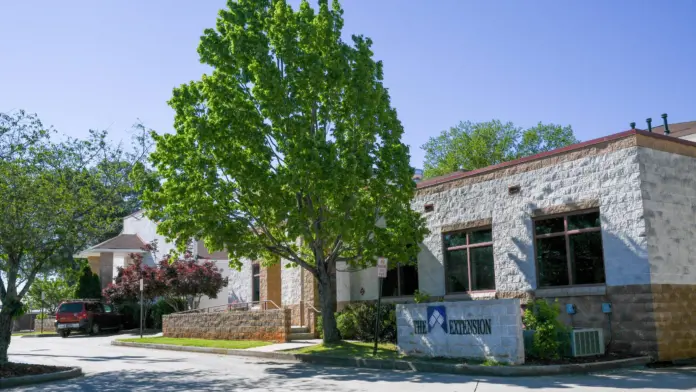
Men 25 and older who are experiencing homelessness and have a substance use disorder are admitted to The Extension, an addiction treatment center in Marietta, Georgia. They must intend to live in Cobb County, meet established income requirements and match HUD’s definition of homeless.
It offers residential rehab at ASAM Level 3.1, meaning clinically managed care at a low intensity, and the phased program runs nine to twelve months. Men who need withdrawal care are not admitted, and men who need less intensive care are not admitted.
Clinical Staff in Marietta
The Extension employs certified addiction counselors, licensed clinical social workers and certified peer specialists, among others. A certified peer specialist is a person in recovery who supports others in treatment.
The program holds CARF accreditation, and the Georgia Department of Community Health has licensed it under the Drug Abuse Treatment and Education Program category.
Therapies Used in Treatment
The Extension uses dialectical behavioral therapy and cognitive behavioral therapy, along with motivational interviewing. In motivational interviewing, a counselor works from reasons for change that the person already holds.
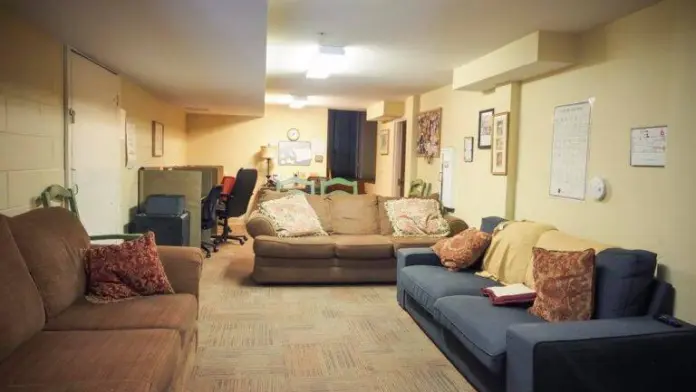
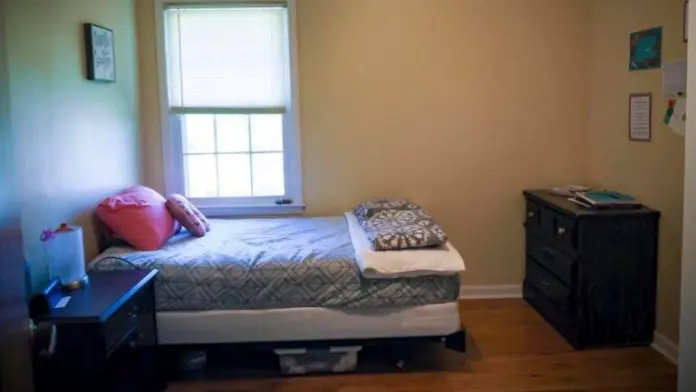
This campus for men has 80 beds, and The Extension admits women at a separate 20-bed campus in Marietta. There is no charge to enter, and after the Welcome Phase residents find and keep full-time work in the community and pay a small part of their income once employed.
Facility Overview
 14
Latest Reviews



Rehab Score
 Our Methodology


Gallery


Other Forms of Payment
Self-pay involves paying for treatment out of your own pocket. You can use savings or credit, get a personal loan, or receive help from family and friends to fund your treatment. If you don't have insurance or your insurance plan doesn't cover a specific program, self-pay can help ensure you still get the care you need.
Private insurance refers to any kind of healthcare coverage that isn't from the state or federal government. This includes individual and family plans offered by an employer or purchased from the Insurance Marketplace. Every plan will have different requirements and out of pocket costs so be sure to get the full details before you start treatment.
Addiction Treatments
Levels of Care
Clients enrolled in an intensive outpatient program (IOP) travel to treatment centers for specialized care multiple times per week. Intensive outpatient treatment allows clients to receive robust care while continuing to live at home. Most programs require between nine and 20 treatment hours per week, with the frequency and intensive of sessions decreasing as clients stabilize. Services generally include a combination of addiction counseling, medication assisted treatment (MAT), recovery-focused life skills training, and holistic therapies.
A drug intervention in Georgia is designed to encourage an individual to get the treatment they need. This effort aims to break through resistance and motivate the individual to get help. The process typically involves loved ones sharing their concerns with the individual and how their substance use has affected those who care about them. A professional interventionist can help guide this conversation and explain from the clinical side how treatment can be beneficial.
Sober living homes in Georgia offers an alternative to the abrupt change of moving from intensive treatment to an unstructured home environment. Men's and women's sober living homes replicate everyday life situations, but they do so in a sober environment while also reinforcing healthy habits. This reduces the chance of relapse. Individuals who could use extra support after rehab or don't have a stable home environment can benefit from this transitional option.
Treatments
The goal of treatment for alcoholism is abstinence. Those with poor social support, poor motivation, or psychiatric disorders tend to relapse within a few years of treatment. For these people, success is measured by longer periods of abstinence, reduced use of alcohol, better health, and improved social functioning. Recovery and Maintenance are usually based on 12 step programs and AA meetings.
A quality drug rehab in Georgia can help you overcome addiction. This environment is designed to help you address the complex issues contributing to drug dependence. The goal of treatment is to give you the tools you need to make a full recovery.
Substance rehabs focus on helping individuals recover from substance abuse, including alcohol and drug addiction (both illegal and prescription drugs). They often include the opportunity to engage in both individual as well as group therapy.
Programs
You'll need to be 25 years of age or older before you can take part in this program.
Young adulthood can be an exciting, yet difficult, time of transition. Individuals in their late teens to mid-20s face unique stressors related to school, jobs, families, and social circles, which can lead to a rise in substance use. Rehab centers with dedicated young adult programs will include activities and amenities that cater to this age group, with an emphasis on specialized counseling, peer socialization, and ongoing aftercare.
Serving in the military is both mentally and physically challenging, and can result in trauma that persists even after combat ends. Military programs are tailored to the specific and often complex needs of active duty personnel, veterans, and military families. Clients often access these programs through the U.S. Department of Veterans Affairs (VA).
Men face specific challenges and concerns when seeking addiction treatment. Gender-specific recovery programs help them tackle these issues head-on in an environment that's focused, targeted, and distraction-free. It also gives them the opportunity to connect with and learn from other men who have been through a similar journey and can offer support for the next step.
Rehabs for women provide a safe, nurturing space for female clients to heal. These treatment programs consider the specific obstacles that women can face during recovery and place a special emphasis on mental, social, physical, and reproductive health. They explore how each woman's experience has shaped the trajectory of their substance use, addressing issues such as sexual abuse and past trauma.
Clinical Services
They know the disease of addiction affects the entire family. If a recovering client returns to a dysfunctional family who has had no counseling, the chances of success are greatly diminished. Regular meetings with their Licensed Professional Counselor enables the family to work together to identify the challenges they are facing. They know that every situation is different; therefore they assist with different strategies that may help overcome such challenges.
Group therapy is any therapeutic work that happens in a group (not one-on-one). There are a number of different group therapy modalities, including support groups, experiential therapy, psycho-education, and more. Group therapy involves treatment as well as processing interaction between group members.
In individual therapy, a patient meets one-on-one with a trained psychologist or counselor. Therapy is a pivotal part of effective substance abuse treatment, as it often covers root causes of addiction, including challenges faced by the patient in their social, family, and work/school life. Individual therapy is facilitated by a trained staff member and provides a safe, structured environment for emotional expression, exploration, resolve and healing.
All clients must complete the life skills course. This includes budgeting, savings, credit repair, toxic relationships, parenting and many other life problems. Homework consists of a plan for debt reduction, contacting creditors and the struggles of living responsibly. All components have a pre and post- test to evidence outcomes.
In trauma therapy, you address the emotional and psychological effects of traumatic events in your life. Your therapist provides you with the tools you need to process those memories and reduce the symptoms. This helps improve your overall mental health and functioning.
 Eye Movement Desensitization And Reprocessing
Staff & Accreditations
Staff
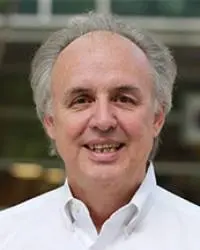
David Schwickerath, LLC
Chair, Westbrooke Financial
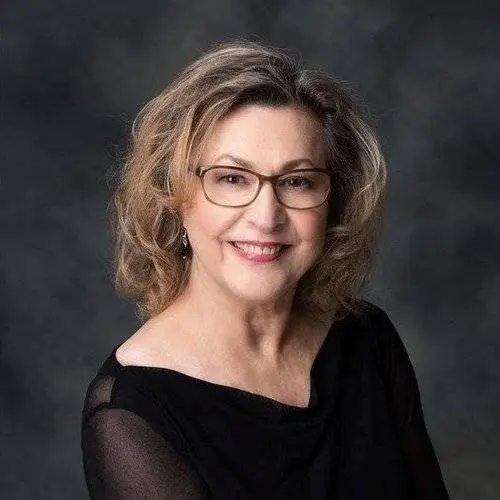
Shelley Elder
Vice Chair, Crane Elder Law Firm

Tyler M. Driver
Executive Director
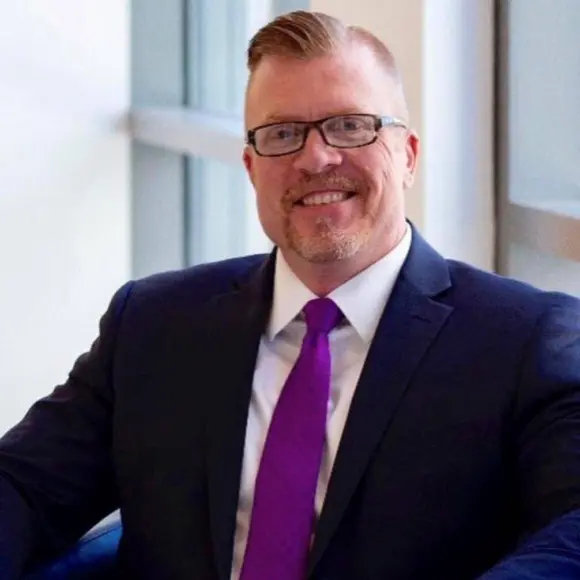
Dan Johnson, BS, JD
Deputy Executive Director
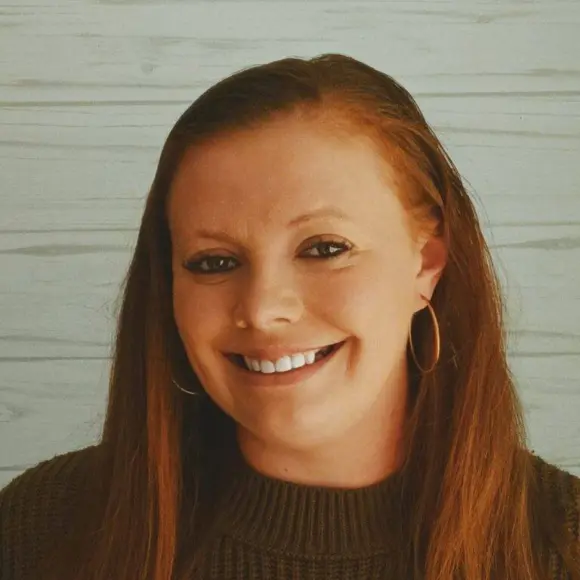
Christina Kight, LCSW, CAMS-II, MATS
Clinical Director
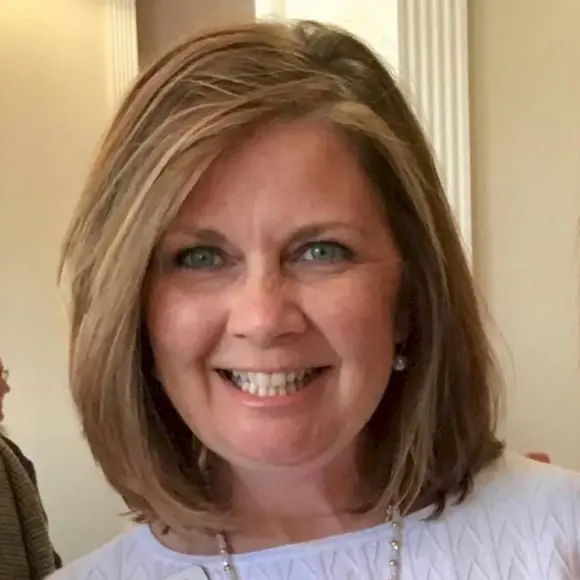
Betsy Mathews
Director of Development

Howard Cox, BSE
Director of Strategic Partnerships
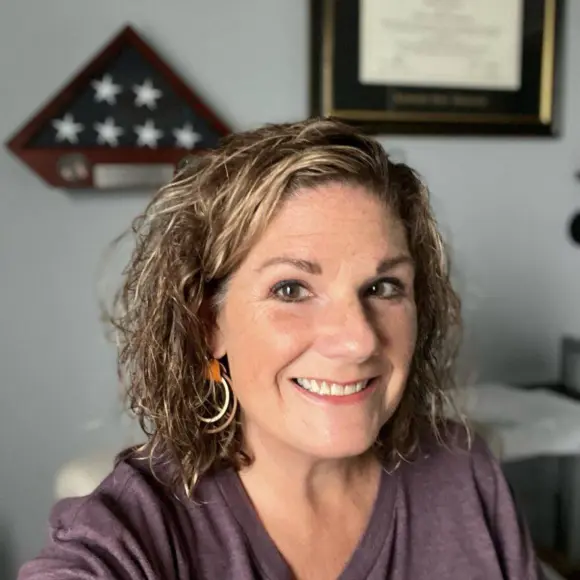
Stephanie Glover, BA
Director of Administration
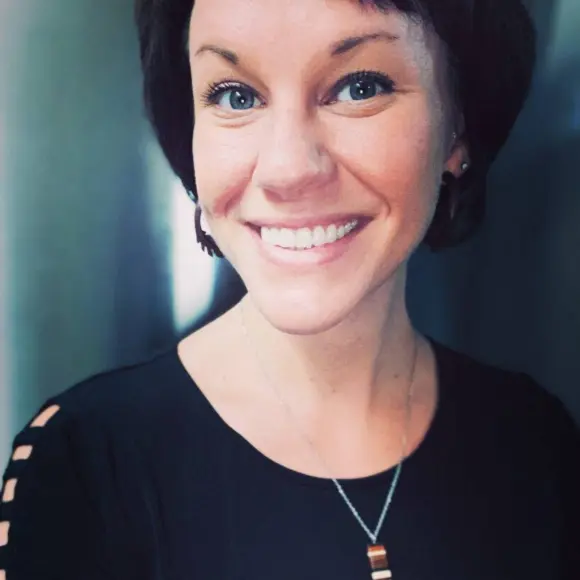
Ashley Baldwin, BA
Director of Quality Assurance & Regulatory Compliance
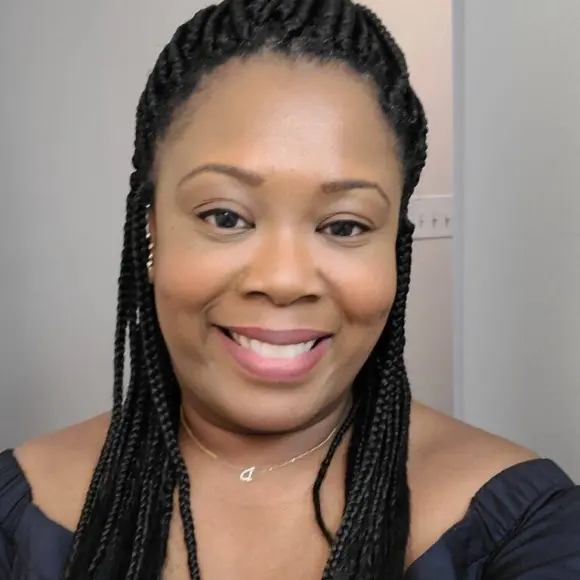
Denise Jones, CACI, NCAC, SAP, MATS
Men’s Program Director
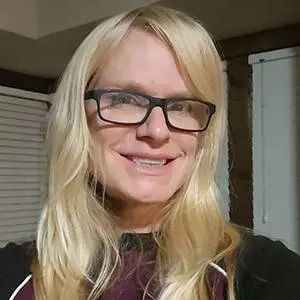
Cher Randall, LAPC, CADCII, CAMSII, CCS
Women’s Program Director
Accreditations

The Commission on Accreditation of Rehabilitation Facilities (CARF) is a non-profit organization that specifically accredits rehab organizations. Founded in 1966, CARF's, mission is to help service providers like rehab facilities maintain high standards of care.
CARF Accreditation: Yes
Accreditation Number: 296355
Rehab.com regularly reviews this listing for accuracy but changes may occur between updates. For the most up-to-date information, please contact The Extension.
Contact Information


1507 Church Street Ext NW
Marietta, GA 30060
Sponsored Helpline