Symetria — Hurst Outpatient Rehab & Suboxone Clinic
1
Top 10 Rehab Centers In Hurst




















































































 Our Methodology


Private insurance refers to any kind of healthcare coverage that isn't from the state or federal government. This includes individual and family plans offered by an employer or purchased from the Insurance Marketplace. Every plan will have different requirements and out of pocket costs so be sure to get the full details before you start treatment.
Self-pay involves paying for treatment out of your own pocket. You can use savings or credit, get a personal loan, or receive help from family and friends to fund your treatment. If you don't have insurance or your insurance plan doesn't cover a specific program, self-pay can help ensure you still get the care you need.
Financial aid can take many forms. Centers may have grants or scholarships available to clients who meet eligibility requirements. Programs that receive SAMHSA grants may have financial aid available for those who need treatment as well. Grants and scholarships can help you pai for treatment without having to repay.
Sliding scale payments are based on a client's income and family size. The goal is to make treatment affordable to everyone. By taking these factors into account, addiction recovery care providers help ensure that your treatment does not become a financial burden to you or your family, eliminating one barrier to care.
After completing some form of inpatient care, many clients transition or step down to an outpatient rehab, while some choose to transition from detox directly into outpatient care. High-intensity outpatient programming, including partial hospitalization (PHP) and intensive outpatient (IOP) is widely available for clients in early recovery, those leaving detox, and those at an elevated relapse risk. Clients in outpatient care generally engage in robust addiction counseling and recovery education, and some also receive medication assisted treatment (MAT).
Rehab aftercare programs are based on a model of continuing care and the premise that recovery is a life-long process requiring ongoing client support. Many rehab aftercare services include outpatient care, but clients often continue to receive support after being discharged from formal treatment. Case managers and care teams typically collaborate with clients to design their long-term care plan, which may include peer coaching, career counseling, and 12 step program induction, among other services.
The goal of treatment for alcoholism is abstinence. Those with poor social support, poor motivation, or psychiatric disorders tend to relapse within a few years of treatment. For these people, success is measured by longer periods of abstinence, reduced use of alcohol, better health, and improved social functioning. Recovery and Maintenance are usually based on 12 step programs and AA meetings.
During rehab in Texas, you'll deal with underlying issues that contribute to addiction. By addressing these challenges and learning healthy ways to cope with them, you'll develop strategies that help you live a drug-free lifestyle.
A combined mental health and substance abuse rehab has the staff and resources available to handle individuals with both mental health and substance abuse issues. It can be challenging to determine where a specific symptom stems from (a mental health issue or an issue related to substance abuse), so mental health and substance abuse professionals are helpful in detangling symptoms and keeping treatment on track.
Opioid rehabs specialize in supporting those recovering from opioid addiction. They treat those suffering from addiction to illegal opioids like heroin, as well as prescription drugs like oxycodone. These centers typically combine both physical as well as mental and emotional support to help stop addiction. Physical support often includes medical detox and subsequent medical support (including medication), and mental support includes in-depth therapy to address the underlying causes of addiction.
Adult rehab programs include therapies tailored to each client's specific needs, goals, and recovery progress. They are tailored to the specific challenges adult clients may face, including family and work pressures and commitments. From inpatient and residential treatment to various levels of outpatient services, there are many options available. Some facilities also help adults work through co-occurring conditions, like anxiety, that can accompany addiction.
Young adulthood can be an exciting, yet difficult, time of transition. Individuals in their late teens to mid-20s face unique stressors related to school, jobs, families, and social circles, which can lead to a rise in substance use. Rehab centers with dedicated young adult programs will include activities and amenities that cater to this age group, with an emphasis on specialized counseling, peer socialization, and ongoing aftercare.
Group therapy is any therapeutic work that happens in a group (not one-on-one). There are a number of different group therapy modalities, including support groups, experiential therapy, psycho-education, and more. Group therapy involves treatment as well as processing interaction between group members.
 Private Setting
Interim CEO

CFO

CIO
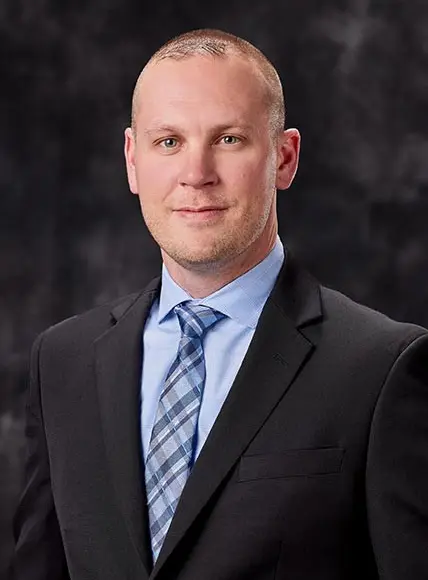
Chief Human Resources Officer
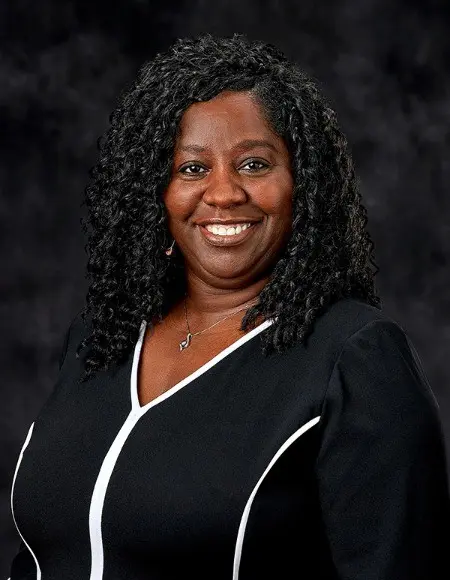
Chief Development Officer

Chief Medical OFficer
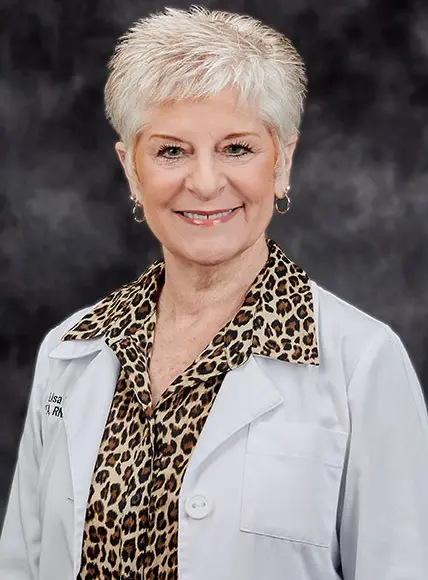
Behavioral Health Director

Director of Operations
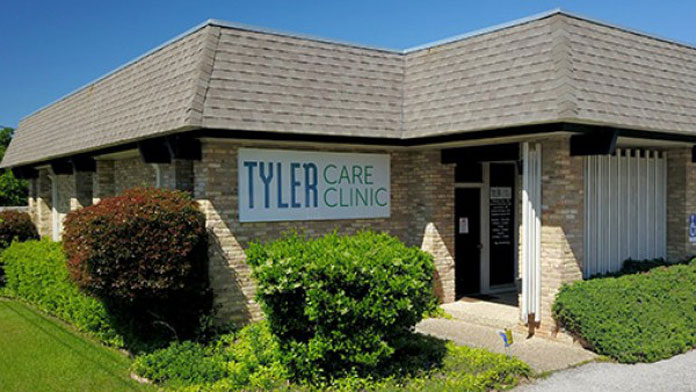
Rehab.com regularly reviews this listing for accuracy but changes may occur between updates. For the most up-to-date information, please contact Tyler Care Clinic.

1300 Clinic Dr
Tyler, TX 75701
Sponsored Helpline

Very hard to get someone to answer the phone or return a phone call.

Friendly, professional staff helping people.

UPDATE - 03/13/2020 I wanted to follow up on the below review of Tyler Care Clinic from 3/2/2020. I received a response from the Clinic that same evening on 3/2/20 stating that someone would be in touch with me soon. It's been a week and a half and no one has bothered to call. I just wanted to let people know that this is the type of service you could expect should you decide to go to this medical establishment. EPIC DOUBLE FAIL! I am completely disappointed in this specialty medical office. I am new to Texas and need to get connected with another doctor. I had to do some research and found Tyler Care Clinic. When I went for my intake appointment in preparation for my doctor's appointment on 3/2, all the staff seemed super friendly and welcoming. So I was excited about this place. Unfortunately, my experience going to my actual appointment today was horrible. I arrived at 2:55pm for my 3pm appointment. I checked in and sat in the waiting room. The time was going buy and it was 3:35 and I had still not been called in. I went to the window and asked the receptionist if there was an issue as I have been waiting 40 mins. She stated they were a little backed up and would check. I let her know that I could re-schedule as I didn't want to wait anymore. The ironic thing is at the window there is a yellow sign posted that states "To respect other patients they reserve the right to re-schedule your appointment should you arrive more than 15 min late". She went and checked and would let me know I sat back down and a nurse came out a few minutes later and brought be in the back. Her name was Arianna. She was very sweet, friendly, and welcoming. She asked me some questions and took my vitals. That took about 10 minutes. She left after she was done. Then about 3 minutes later another woman walked in and said hello. Never told he her name or who she was. She began to review my medical history and medications etc. She re-filled some of my scripts. And then asked if I had any other questions. I stated I did not. She asked if I wanted a copy of my lab work. I thanked her but told her it was not necessary. She then stated were were done and was walking towards the door and I asked well don't I get to see the "doctor". She then stated she was a nurse practitioner. I then responded and let her know my appointment was not with a nurse practitioner but with the doctor. To which she replied." Well, he can pop his head in!" I was beyond aggravated and the look on my face let her know that I was. I then said no that won't be necessary and we are done here. She led me down the hall and was speechless as I walked out. I walked to the front checkout and the receptionist stated that they wanted to see me back in 3 months and I stated to her I would not be coming back. She asked what happened and I stated I wasted my time and never even got to see the doctor. I have never been treated so poorly in a medical establishment as I was at Tyler Care Clinic at 1300 Clinic Drive Tyler Texas. Don't bother wasting your time going here. I would rather drive Dallas than drive 10 mins to go here. EPIC FAIL!!!
 Back
Back
Sharing your insights and experiences can help others learn more about this rehab center.