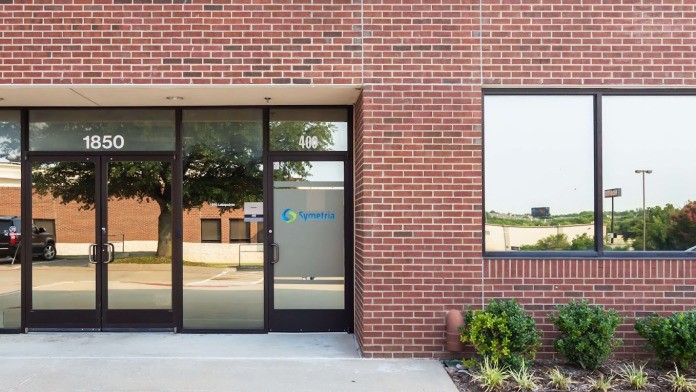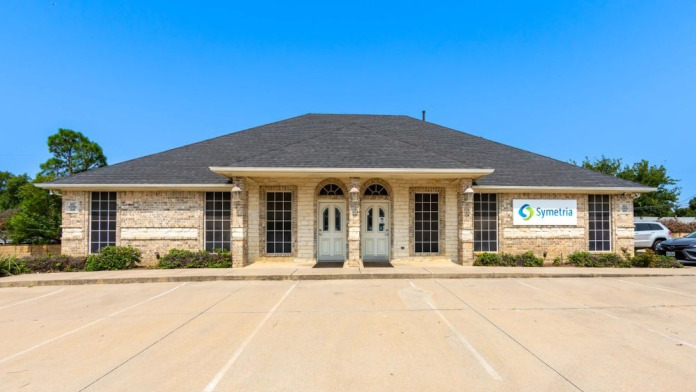
Symetria — Hurst Outpatient Rehab & Suboxone Clinic
1
Top 10 Rehab Centers In Hurst



















































































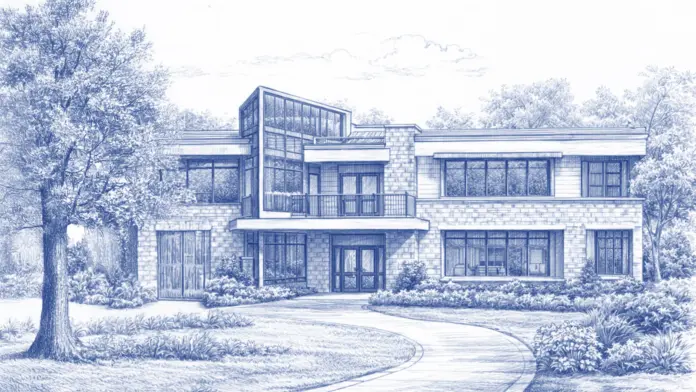
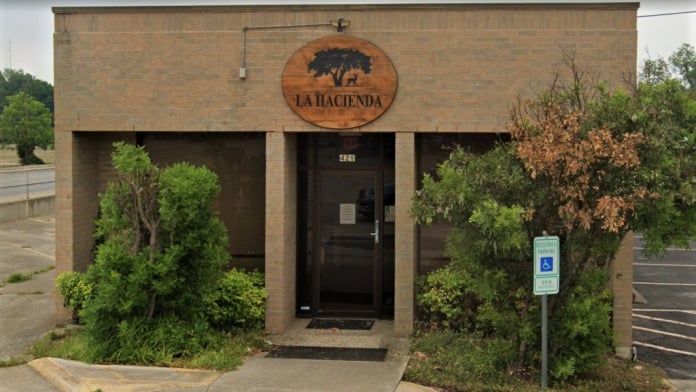
AA Alcoholicos Anonimos Grupo Sandero de Vida is a community-based 12-step recovery group in Austin, Texas, offering peer-led support for individuals working toward recovery from alcoholism and substance use.
Located on West Ben White Boulevard in South Austin, this non-profit group connects participants with the time-tested fellowship model of Alcoholics Anonymous.
The Spanish-language name suggests a welcoming space for Spanish-speaking community members seeking peer recovery support.
Grupo Sandero de Vida centers its support around 12-step recovery, a peer-driven approach that has helped countless individuals build and maintain sobriety.
Participants typically begin by attending meetings, where they can listen, share and connect with others who understand the challenges of alcohol addiction.
The group also incorporates group therapy-style fellowship, providing a consistent space for accountability, encouragement and mutual support.
Programs are described as inclusive of men, women, older adults and young adults, allowing participants from various life stages to find common ground in recovery.

 Our Methodology


 Free
Free12-step programs are addiction recovery models based on Alcoholics Anonymous (AA). A number of substance abuse programs (including some drug and alcohol rehab centers) use the 12 steps as a basis for treatment. Beginning steps involve admitting powerlessness over the addiction and creating a spiritual basis for recovery. Middle steps including making direct amends to those who've been hurt by the addiction, and the final step is to assist others in addiction recovery in the same way. 12-Step offshoots including Narcotics Anonymous (NA), Cocaine Anonymous (CA), Dual Recovery Anonymous (DRA), Sex and Love Addicts Anonymous (SLAA) and Gamblers Anonymous (GA).
The goal of treatment for alcoholism is abstinence. Those with poor social support, poor motivation, or psychiatric disorders tend to relapse within a few years of treatment. For these people, success is measured by longer periods of abstinence, reduced use of alcohol, better health, and improved social functioning. Recovery and Maintenance are usually based on 12 step programs and AA meetings.
During rehab in Texas, you'll deal with underlying issues that contribute to addiction. By addressing these challenges and learning healthy ways to cope with them, you'll develop strategies that help you live a drug-free lifestyle.
Substance rehabs focus on helping individuals recover from substance abuse, including alcohol and drug addiction (both illegal and prescription drugs). They often include the opportunity to engage in both individual as well as group therapy.
Adult rehab programs include therapies tailored to each client's specific needs, goals, and recovery progress. They are tailored to the specific challenges adult clients may face, including family and work pressures and commitments. From inpatient and residential treatment to various levels of outpatient services, there are many options available. Some facilities also help adults work through co-occurring conditions, like anxiety, that can accompany addiction.
Young adulthood can be an exciting, yet difficult, time of transition. Individuals in their late teens to mid-20s face unique stressors related to school, jobs, families, and social circles, which can lead to a rise in substance use. Rehab centers with dedicated young adult programs will include activities and amenities that cater to this age group, with an emphasis on specialized counseling, peer socialization, and ongoing aftercare.
Group therapy is any therapeutic work that happens in a group (not one-on-one). There are a number of different group therapy modalities, including support groups, experiential therapy, psycho-education, and more. Group therapy involves treatment as well as processing interaction between group members.
Rehab.com regularly reviews this listing for accuracy but changes may occur between updates. For the most up-to-date information, please contact AA – Alcoholicos Anonimos – Grupo Sandero de Vida.

429 West Ben White Boulevard
Austin, TX 78704
Sponsored Helpline
 Back
Back
Sharing your insights and experiences can help others learn more about this rehab center.