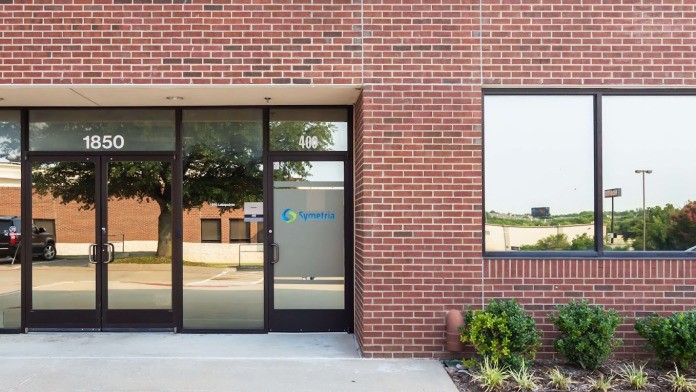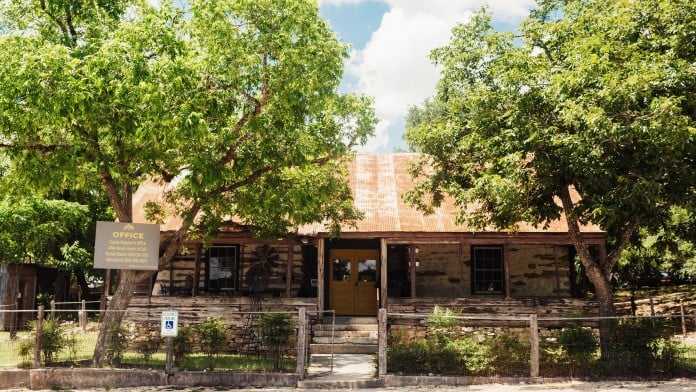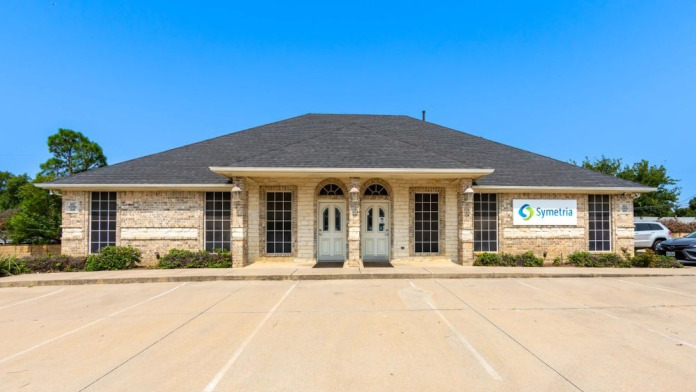
Symetria — Hurst Outpatient Rehab & Suboxone Clinic
1
Top 10 Rehab Centers In Hurst



















































































AA Living Faith Group is an Alcoholics Anonymous meeting group in Austin, Texas offering free peer led recovery support for members working to overcome alcohol use and related substance use challenges.
Rooted in the 12 Step model this group provides a community based space for shared experience and encouragement with accountability rather than clinical treatment.
The group follows the Alcoholics Anonymous 12 Step model with group meetings serving as the primary form of support. It functions as a peer led mutual support fellowship rather than a licensed clinical or residential rehab program.
The group welcomes men and women, seniors, and young adults seeking help with alcohol or substance use concerns. Consistent with the broader AA fellowship, meetings are generally open to anyone with a desire to stop drinking.
Living Faith Group meets on Clifford Drive in South Austin, Texas making it an accessible option for community members in the area looking for local peer based recovery support.
The group is free to attend which is consistent with the AA fellowship model. There is no insurance billing or private pay structure because mutual support meetings are not a fee based clinical service.


 Our Methodology


 Free
Free12-step programs are addiction recovery models based on Alcoholics Anonymous (AA). A number of substance abuse programs (including some drug and alcohol rehab centers) use the 12 steps as a basis for treatment. Beginning steps involve admitting powerlessness over the addiction and creating a spiritual basis for recovery. Middle steps including making direct amends to those who've been hurt by the addiction, and the final step is to assist others in addiction recovery in the same way. 12-Step offshoots including Narcotics Anonymous (NA), Cocaine Anonymous (CA), Dual Recovery Anonymous (DRA), Sex and Love Addicts Anonymous (SLAA) and Gamblers Anonymous (GA).
The goal of treatment for alcoholism is abstinence. Those with poor social support, poor motivation, or psychiatric disorders tend to relapse within a few years of treatment. For these people, success is measured by longer periods of abstinence, reduced use of alcohol, better health, and improved social functioning. Recovery and Maintenance are usually based on 12 step programs and AA meetings.
During rehab in Texas, you'll deal with underlying issues that contribute to addiction. By addressing these challenges and learning healthy ways to cope with them, you'll develop strategies that help you live a drug-free lifestyle.
Substance rehabs focus on helping individuals recover from substance abuse, including alcohol and drug addiction (both illegal and prescription drugs). They often include the opportunity to engage in both individual as well as group therapy.
Adult rehab programs include therapies tailored to each client's specific needs, goals, and recovery progress. They are tailored to the specific challenges adult clients may face, including family and work pressures and commitments. From inpatient and residential treatment to various levels of outpatient services, there are many options available. Some facilities also help adults work through co-occurring conditions, like anxiety, that can accompany addiction.
Young adulthood can be an exciting, yet difficult, time of transition. Individuals in their late teens to mid-20s face unique stressors related to school, jobs, families, and social circles, which can lead to a rise in substance use. Rehab centers with dedicated young adult programs will include activities and amenities that cater to this age group, with an emphasis on specialized counseling, peer socialization, and ongoing aftercare.
Group therapy is any therapeutic work that happens in a group (not one-on-one). There are a number of different group therapy modalities, including support groups, experiential therapy, psycho-education, and more. Group therapy involves treatment as well as processing interaction between group members.
Rehab.com regularly reviews this listing for accuracy but changes may occur between updates. For the most up-to-date information, please contact AA – Alcoholics Anonymous – Living Faith Group.

617 Clifford Drive
Austin, TX 78745
Sponsored Helpline

What time a Am I supposed to be there . Nights and weekends. I need a key to my home.

Estoy pidiendo ayuda estoy muy mal adición

Awesome people thank you

Great place. Had been going for years. Too bad they only take one side of a story when conflicts arise. I love taking care of my side of the street, but when a group or someone in particular is running my personal life from the shadows it is very disturbing. Please go if you are new! Just be careful not to piss off the wrong person. Resentment is the number 1 killer and this won't kill me. Try other places if you are feeling a certain way about the invasive old timey way. I love old timey. Just not when it thinks it is right on everything and exercises power granted to them to appease a solitary female with no investigation into the other side of the issue.
 Back
Back
Sharing your insights and experiences can help others learn more about this rehab center.