





























































































About AA – Alcoholics Anonymous – Unity Club
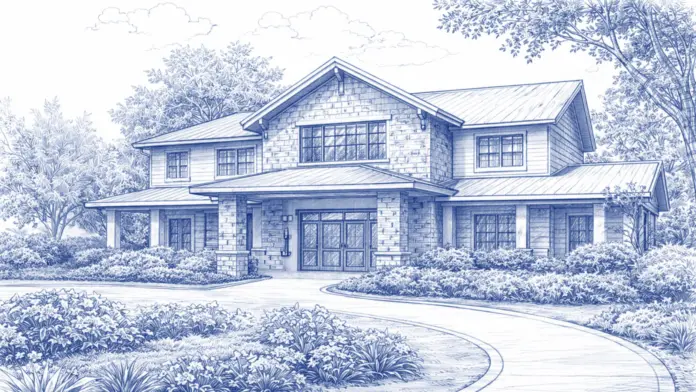
AA Alcoholics Anonymous Unity Club is a community based recovery support location in Greensboro, North Carolina.
The Unity Club functions as a dedicated AA meeting hub where fellowship, accountability and shared experience guide recovery.
The approach is rooted in the time tested 12 step model, emphasizing peer connection and mutual support.
12 Step Recovery Support
Unity Club is centered on Alcoholics Anonymous meetings rather than a clinical treatment continuum, providing an accessible entry point for anyone exploring recovery or maintaining sobriety.
Participants can drop in to in person meetings throughout the week without a formal intake process.
Attendees can expect a welcoming environment with multiple recurring meetings such as Lunch Bunch, Happy Hour, HOW 101, Last Call and Miracles Happen.
The club also hosts a women specific meeting, offering a comfortable space for gender focused fellowship alongside general meetings open to all.
Quick Facts
- Location: Glenwood Avenue, Greensboro, North Carolina
- Support offered: In person 12 step Alcoholics Anonymous meetings
- Who attends: Adults seeking alcohol recovery support, with women focused and general meetings available
- Approach: Peer led 12 step fellowship and mutual support
- Schedule: Frequent meetings held Sunday through Saturday
- Cost: AA meetings are free to attend, consistent with AA traditions
Latest Reviews



Rehab Score
 Our Methodology


Gallery
Other Forms of Payment
 Free
FreeAddiction Treatments
Levels of Care
The "Twelve Steps" are the core of the AA program of personal recovery from alcoholism. They are not abstract theories; they are based on the trial-and-error experience of early members of AA. They describe the attitudes and activities that these early members believe were important in helping them to achieve sobriety. Acceptance of the "Twelve Steps" is not mandatory in any sense. Experience suggests, however, that members who make an earnest effort to follow these Steps and to apply them in daily living seem to get far more out of AA than do those members who seem to regard the Steps casually.
AA members don't have to attend any set number of meetings in a given period. It is purely a matter of individual preference and need. Most members arrange to attend at least one meeting a week. They feel that is enough to satisfy their personal need for contact with the program through a local group. Others attend a meeting nearly every night, in areas where such opportunities are available. Still others may go for relatively long periods without meetings.
Treatments
The goal of treatment for alcoholism is abstinence. Those with poor social support, poor motivation, or psychiatric disorders tend to relapse within a few years of treatment. For these people, success is measured by longer periods of abstinence, reduced use of alcohol, better health, and improved social functioning. Recovery and Maintenance are usually based on 12 step programs and AA meetings.
There are many types of drug rehab in North Carolina. To receive treatment for addiction, you can choose from many inpatient and outpatient programs. Often, participants start with detox and work through a full continuum of care that continues with ongoing support for long-term recovery.
Substance rehabs focus on helping individuals recover from substance abuse, including alcohol and drug addiction (both illegal and prescription drugs). They often include the opportunity to engage in both individual as well as group therapy.
Programs
Adult rehab programs include therapies tailored to each client's specific needs, goals, and recovery progress. They are tailored to the specific challenges adult clients may face, including family and work pressures and commitments. From inpatient and residential treatment to various levels of outpatient services, there are many options available. Some facilities also help adults work through co-occurring conditions, like anxiety, that can accompany addiction.
Young adulthood can be an exciting, yet difficult, time of transition. Individuals in their late teens to mid-20s face unique stressors related to school, jobs, families, and social circles, which can lead to a rise in substance use. Rehab centers with dedicated young adult programs will include activities and amenities that cater to this age group, with an emphasis on specialized counseling, peer socialization, and ongoing aftercare.
Clinical Services
For over 55 years, Al-Anon (which includes Alateen for younger members) has been offering strength and hope for friends and families of problem drinkers. It is estimated that each alcoholic affects the lives of at least four other people, alcoholism is truly a family disease. No matter what relationship you have with an alcoholic, whether they are still drinking or not, all who have been affected by someone else’s drinking can find solutions that lead to serenity in the Al-Anon/Alateen fellowship.
Group therapy is any therapeutic work that happens in a group (not one-on-one). There are a number of different group therapy modalities, including support groups, experiential therapy, psycho-education, and more. Group therapy involves treatment as well as processing interaction between group members.
Amenities
-
 Residential Setting
 -
 Private Setting
Rehab.com regularly reviews this listing for accuracy but changes may occur between updates. For the most up-to-date information, please contact AA – Alcoholics Anonymous – Unity Club.
Contact Information


918 Glenwood Avenue
Greensboro, NC 27403
Sponsored Helpline

