





























































































About AppleGate Recovery Nashville
As part of their treatment plans, they may prescribe Suboxone to help manage withdrawal symptoms and reduce the effects of illicit substances, helping you to stop using them. They combine this medication with individual addiction counseling and supportive group sessions. They offer taper treatment plans where you’ll slowly reduce the amount of medication you take each week as your condition stabilizes.
If you’re pregnant and seeking treatment for substance use, AppleGate Recovery goes out of their way to protect you and your baby. They stay in constant contact with your OB-GYN to coordinate your care, giving you a smooth and stress free experience. They provide constant monitoring and assessment of your condition and adjust your medication levels as your body changes during the pregnancy. As your pregnancy progresses, they offer additional visits every week without increasing your monthly treatment fee.
They also provide extensive education and guidance on reducing the chances of your baby developing Neonatal Abstinence Syndrome. This is a condition where a baby is born experiencing withdrawal symptoms caused by exposure to substances while in the womb. The team at AppleGate Recovery also provides guidance on breastfeeding postpartum, and gives you their continued support throughout the postpartum period as you adjust.
Past clients describe the AppleGate Recovery Nashville team as respectful and welcoming. They say that they’ve never felt judged or belittled by the staff. Some mention feeling frustrated with long wait times for their appointments, but they state the overall experience of working with AppleGate was a good one.
Latest Reviews



Rehab Score
 Our Methodology


Gallery
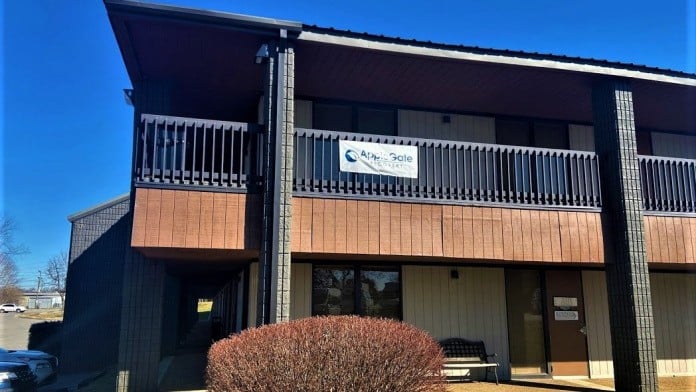
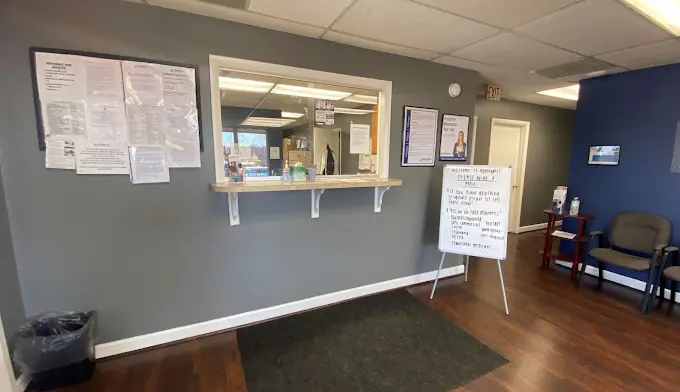
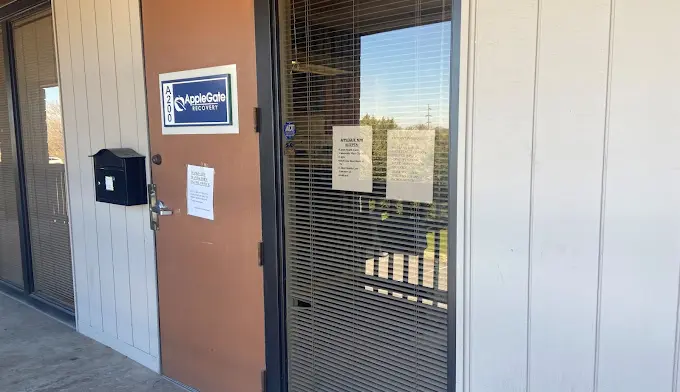
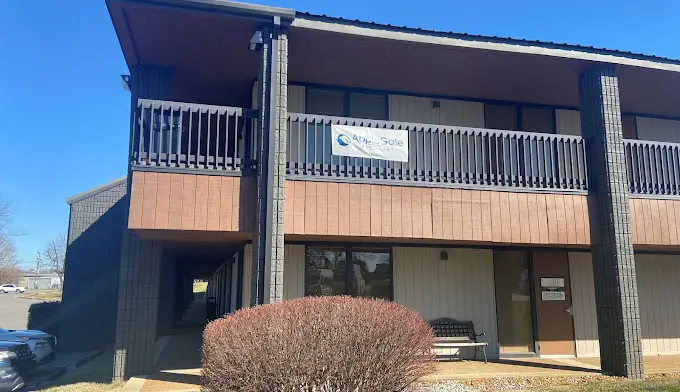
Accepted Insurance
Other Forms of Payment
Private insurance refers to any kind of healthcare coverage that isn't from the state or federal government. This includes individual and family plans offered by an employer or purchased from the Insurance Marketplace. Every plan will have different requirements and out of pocket costs so be sure to get the full details before you start treatment.
Self-pay involves paying for treatment out of your own pocket. You can use savings or credit, get a personal loan, or receive help from family and friends to fund your treatment. If you don't have insurance or your insurance plan doesn't cover a specific program, self-pay can help ensure you still get the care you need.
Medicaid is a state based program that helps lower-income individuals and families pay for healthcare. Medicaid covers addiction treatment so those enrolled can use their coverage to pay for rehab. When a program accepts Medicaid the client often pays very little or nothing out of their own pocket.
Addiction Treatments
Levels of Care
Outpatient Programs (OP) are for those seeking mental rehab or drug rehab, but who also stay at home every night. The main difference between outpatient treatment (OP) and intensive outpatient treatment (IOP) lies in the amount of hours the patient spends at the facility. Most of the time an outpatient program is designed for someone who has completed an inpatient stay and is looking to continue their growth in recovery. Outpatient is not meant to be the starting point, it is commonly referred to as aftercare.
Residential treatment programs are those that offer housing and meals in addition to substance abuse treatment. Rehab facilities that offer residential treatment allow patients to focus solely on recovery, in an environment totally separate from their lives. Some rehab centers specialize in short-term residential treatment (a few days to a week or two), while others solely provide treatment on a long-term basis (several weeks to months). Some offer both, and tailor treatment to the patient's individual requirements.
Clients receiving support in a rehab aftercare program typically have abstained from drugs or alcohol for a period of weeks or months and have completed high-level (often inpatient) treatment. Drug rehab aftercare is designed to support clients in maintaining their sobriety as they re-engage with their ordinary lives at home, in the workplace, and in the community. Services are highly individualized and evolve with clients' changing needs, but generally include peer coaching and relapse prevention.
Drug and alcohol addiction often takes a heavy toll on one's body. Over time, a physical dependence can develop, meaning the body physiologically needs the substance to function. Detox is the process of removing drugs and/or alcohol from the body, a process that can be lethal if mismanaged. Medical detox is done by licensed medical professionals who monitor vital signs and keep you safe, healthy, and as comfortable as possible as you go through detox and withdrawal.
Treatments
The goal of treatment for alcoholism is abstinence. Those with poor social support, poor motivation, or psychiatric disorders tend to relapse within a few years of treatment. For these people, success is measured by longer periods of abstinence, reduced use of alcohol, better health, and improved social functioning. Recovery and Maintenance are usually based on 12 step programs and AA meetings.
When your day-to-day life is taken over by drug use, this is known as substance use disorder. If you abruptly stop using your drug of choice, you experience withdrawal symptoms. To overcome this cycle, professional drug rehab in Tennessee is usually needed.
Many of those suffering from addiction also suffer from mental or emotional illnesses like schizophrenia, bipolar disorder, depression, or anxiety disorders. Rehab and other substance abuse facilities treating those with a dual diagnosis or co-occurring disorder administer psychiatric treatment to address the person's mental health issue in addition to drug and alcohol rehabilitation.
A combined mental health and substance abuse rehab has the staff and resources available to handle individuals with both mental health and substance abuse issues. It can be challenging to determine where a specific symptom stems from (a mental health issue or an issue related to substance abuse), so mental health and substance abuse professionals are helpful in detangling symptoms and keeping treatment on track.
Opioid rehabs specialize in supporting those recovering from opioid addiction. They treat those suffering from addiction to illegal opioids like heroin, as well as prescription drugs like oxycodone. These centers typically combine both physical as well as mental and emotional support to help stop addiction. Physical support often includes medical detox and subsequent medical support (including medication), and mental support includes in-depth therapy to address the underlying causes of addiction.
Programs
Adult rehab programs include therapies tailored to each client's specific needs, goals, and recovery progress. They are tailored to the specific challenges adult clients may face, including family and work pressures and commitments. From inpatient and residential treatment to various levels of outpatient services, there are many options available. Some facilities also help adults work through co-occurring conditions, like anxiety, that can accompany addiction.
Clinical Services
Typical cognitive behavioral therapy in Tennessee involves recognizing negative thinking and learning techniques to change that thinking and create new, positive behaviors. Strategies may include SMART goals, journaling, and situation exposure.
Group therapy is any therapeutic work that happens in a group (not one-on-one). There are a number of different group therapy modalities, including support groups, experiential therapy, psycho-education, and more. Group therapy involves treatment as well as processing interaction between group members.
In individual therapy, a patient meets one-on-one with a trained psychologist or counselor. Therapy is a pivotal part of effective substance abuse treatment, as it often covers root causes of addiction, including challenges faced by the patient in their social, family, and work/school life.
Research clearly demonstrates that recovery is far more successful and sustainable when loved ones like family members participate in rehab and substance abuse treatment. Genetic factors may be at play when it comes to drug and alcohol addiction, as well as mental health issues. Family dynamics often play a critical role in addiction triggers, and if properly educated, family members can be a strong source of support when it comes to rehabilitation.
Life skills trainings involve all the skills a person must have in order to function successfully in the world. These include time management, career guidance, money management, and effective communication. Truly successful addiction recovery is based on the ability to not only live substance-free, but to thrive. Life skills teaches the practical necessities of functioning in society, which sets clients up for success in life, and therefore sobriety.
Experiential therapy is a form of therapy in which clients are encouraged to surface and work through subconscious issues by engaging in real-time experiences. Experiential therapy departs from traditional talk therapy by involving the body, and having clients engage in activities, movements, and physical and emotional expression. This can involve role-play or using props (which can include other people). Experiential therapy can help people process trauma, memories, and emotion quickly, deeply, and in a lasting fashion, leading to substantial and impactful healing.
Amenities
-
 Yoga Studio
Staff & Accreditations
Staff
Dr. Susan Limbaugh, MD
Physician
Dr. Kay Son, MD
Physician
Dr. Sadia Dar, MD
Physician
Dr. Janet Pelmore, MD
Physician
Accreditations

The Commission on Accreditation of Rehabilitation Facilities (CARF) is a non-profit organization that specifically accredits rehab organizations. Founded in 1966, CARF's, mission is to help service providers like rehab facilities maintain high standards of care.
CARF Accreditation: Yes

LegitScript has reviewed AppleGate Recovery Nashville as part of their certification program, and has determined that it meets the LegitScript standards for legality, safety and transparency.
LegitScript verified in
Rehab.com regularly reviews this listing for accuracy but changes may occur between updates. For the most up-to-date information, please contact AppleGate Recovery Nashville.
Contact Information


446 Metroplex Drive
Suite A-200
Nashville, TN 37211
Sponsored Helpline


