











Symetria — Hurst Outpatient Rehab & Suboxone Clinic
1
Top 10 Rehab Centers In Hurst



















































































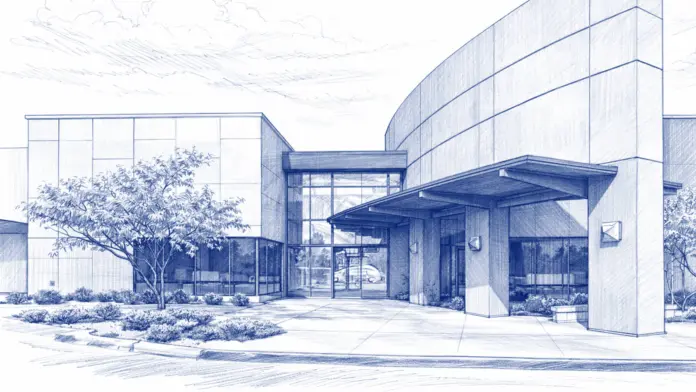
Austin Total Healthcare sits right in Austin, Texas. For those who are searching for outpatient support that doesn’t completely disrupt your day-to-day life, this kind of setup can feel a lot more manageable.
It’s not a residential rehab. Instead, it’s a place where you can get some help while you’re staying on top of your family, work and any other things you have to juggle in your personal life. They feature various therapy programs to assist with chronic pain.
A lot of people who have visited Austin Total Healthcare talk about how welcoming the environment feels, especially when walking into treatment can feel intimidating. And because they also address co-occurring physical health concerns, the treatment feels very complete instead of one dimensional.
Austin Total doesn’t have a dedicated track for substance misuse. However, they do address symptoms that can cause people to fall into addictions. Chronic pain from sports, injuries at work, or auto accidents can lead people into mental depression or cause dependency on opioids to reduce pain.
By going to a chiropractor like Austin Total, clients can reduce their dependency on pain medication. They can feel more confident and get in better shape as their bodies heal through more holistic regimens.


 Our Methodology


Medicaid is a state based program that helps lower-income individuals and families pay for healthcare. Medicaid covers addiction treatment so those enrolled can use their coverage to pay for rehab. When a program accepts Medicaid the client often pays very little or nothing out of their own pocket.
Medicare is a federal program that provides health insurance for those 65 and older. It also serves people under 65 with chronic and disabling health challenges. To use Medicare for addiction treatment you need to find a program that accepts Medicare and is in network with your plan. Out of pocket costs and preauthorization requirements vary, so always check with your provider.
The goal of treatment for alcoholism is abstinence. Those with poor social support, poor motivation, or psychiatric disorders tend to relapse within a few years of treatment. For these people, success is measured by longer periods of abstinence, reduced use of alcohol, better health, and improved social functioning. Recovery and Maintenance are usually based on 12 step programs and AA meetings.
During rehab in Texas, you'll deal with underlying issues that contribute to addiction. By addressing these challenges and learning healthy ways to cope with them, you'll develop strategies that help you live a drug-free lifestyle.
Opioid rehabs specialize in supporting those recovering from opioid addiction. They treat those suffering from addiction to illegal opioids like heroin, as well as prescription drugs like oxycodone. These centers typically combine both physical as well as mental and emotional support to help stop addiction. Physical support often includes medical detox and subsequent medical support (including medication), and mental support includes in-depth therapy to address the underlying causes of addiction.
Substance rehabs focus on helping individuals recover from substance abuse, including alcohol and drug addiction (both illegal and prescription drugs). They often include the opportunity to engage in both individual as well as group therapy.
Adult rehab programs include therapies tailored to each client's specific needs, goals, and recovery progress. They are tailored to the specific challenges adult clients may face, including family and work pressures and commitments. From inpatient and residential treatment to various levels of outpatient services, there are many options available. Some facilities also help adults work through co-occurring conditions, like anxiety, that can accompany addiction.
Group therapy is any therapeutic work that happens in a group (not one-on-one). There are a number of different group therapy modalities, including support groups, experiential therapy, psycho-education, and more. Group therapy involves treatment as well as processing interaction between group members.
Rehab.com regularly reviews this listing for accuracy but changes may occur between updates. For the most up-to-date information, please contact Austin Total Healthcare.

4201 South Congress Ave, #203
Austin, TX 78745
Sponsored Helpline

Excelente servicio!!! El trato es muy profesional y las citas son muy puntuales. Lo recomiendo totalmente..


All the way around excellent service from the front desk to the doctors. The level of care and consistent professionalism was refreshing and always made every visit something to look forward to. Special thanks to Cecilia and Luisa who's warm and attentive attention to detail made my treatment a lot smoother and comfortable.

really nice place and great service especially cece at the front desk is super kind and welcoming!
 Back
Back
Sharing your insights and experiences can help others learn more about this rehab center.


 Written By: Alizabeth Swain
