





























































































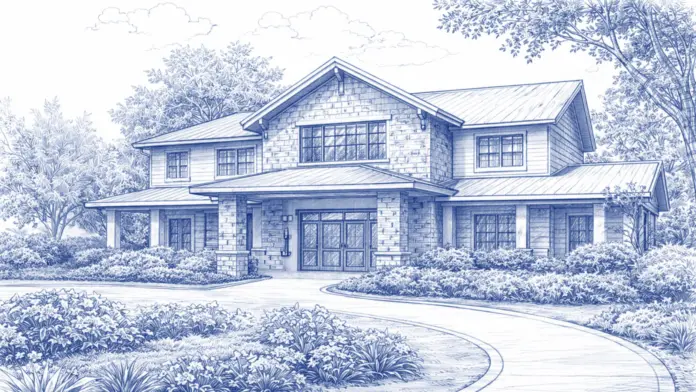
About Bethel Colony of Mercy
Bethel Colony of Mercy in Lenoir, North Carolina is a residential addiction treatment program providing faith based long term recovery support for adult men suffering from substance use addiction.
Set on hundreds of acres in the foothills of the Blue Ridge Mountains this Christ centered program combines structured residential care and spiritual discipleship to help men rebuild their lives.
Christ-Centered Recovery and Work Therapy
Bethel Colony of Mercy offers a long term residential recovery program lasting approximately 12 months beginning with an application and intake process that prepares men for full immersion in the community based environment.
The program is designed to address addiction through spiritual, physical, and emotional healing in a safe and structured setting.
Residents participate in daily Bible study and chapel services, counseling and 12 step meetings, relapse prevention education, and life skills classes. A work therapy component helps build responsibility and character with a strong work ethic as part of the recovery journey.
Quick Facts About Bethel Colony of Mercy
- Level of care: Long term residential addiction recovery, approximately 12 months in duration.
- Approach: Christ centered discipleship combined with counseling, 12 step work, life skills, and work therapy.
- Payment options: Non-profit 501(c)(3); does not accept private insurance. $1,000 entrance fee and $275 weekly program fee, payable by family, church, or supporters.
- Amenities: Dorm style housing, dining hall, chapel, classrooms, gymnasium, sports fields, walking trails, and an on-site lake for fishing.
Latest Reviews



Rehab Score
 Our Methodology


Location
Other Forms of Payment
Private insurance refers to any kind of healthcare coverage that isn't from the state or federal government. This includes individual and family plans offered by an employer or purchased from the Insurance Marketplace. Every plan will have different requirements and out of pocket costs so be sure to get the full details before you start treatment.
Self-pay involves paying for treatment out of your own pocket. You can use savings or credit, get a personal loan, or receive help from family and friends to fund your treatment. If you don't have insurance or your insurance plan doesn't cover a specific program, self-pay can help ensure you still get the care you need.
Addiction Treatments
Levels of Care
Clients who are exiting detox or stepping down from intensive inpatient care typically transition directly into outpatient treatment. Outpatient programs are designed to allow clients to either re-enter or remain in their communities while receiving robust, personalized care. Many facilities offer evening, night, or weekend services to accommodate clients' home and work schedules. The most common outpatient treatment modalities include psychotherapy, recovery-focused life skills training, and medication assisted treatment (MAT).
Clients receiving treatment at an inpatient rehab facility are typically in early recovery or are at heightened risk of relapse. Clients in inpatient care remain at the facility for the duration of their program, enabling them to focus solely on their recovery. Inpatient treatment typically involves extensive psychotherapy, often including group and family counseling as well as one-on-one sessions. Recovery-focused life skills education is another common service. Many rehabs also offer evidence-based holistic therapies.
Programs
Adult rehab programs include therapies tailored to each client's specific needs, goals, and recovery progress. They are tailored to the specific challenges adult clients may face, including family and work pressures and commitments. From inpatient and residential treatment to various levels of outpatient services, there are many options available. Some facilities also help adults work through co-occurring conditions, like anxiety, that can accompany addiction.
Clinical Services
Trauma therapy helps you reclaim your life after experiencing or witnessing a traumatic event. Therapists help to process these memories, which promotes emotional healing and reduces anxiety in social situations. This improves your overall well being and increases your self confidence.
During couples therapy in North Carolina, a psychologist helps you and your partner resolve problems that are occurring in your relationship. This licensed therapist uses talk therapy to help you both work through challenges together. The process involves learning new skills to better handle conflict and life issues.
Family therapy sessions address the emotional toll that addiction has had on the family unit and individual members. Therapists work with families to develop better coping strategies, which in turn create a stable environment for their loved one's recovery process.
Staff

Rev. Paul Pruitt
Executive Director

Rev. Zac Starnes, MA
Associate Director

Rev. Don Loss, M.Div
Director of Counseling

Chris Pilarski
Facilities Pilarski
Rehab.com regularly reviews this listing for accuracy but changes may occur between updates. For the most up-to-date information, please contact Bethel Colony of Mercy.
Contact Information


1675 Bethel Colony Road
Lenoir, NC 28645
Sponsored Helpline

