








Avenues Recovery Center at Clarksville
1
Top 10 Rehab Centers In Clarksville





























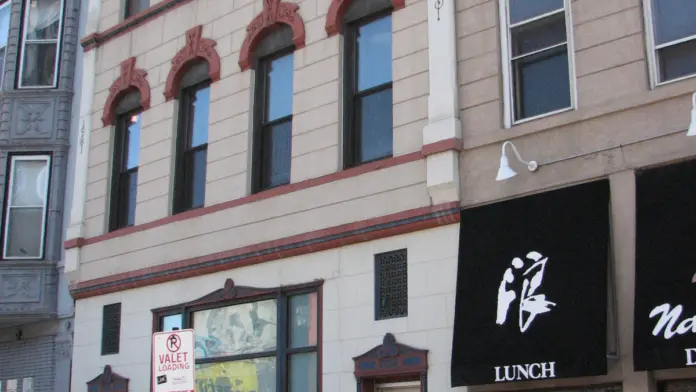
Center for Addictive Problems is an addiction treatment provider in Chicago, Illinois that offers outpatient services and extended residential care through recovery homes.
The team specializes in medication assisted treatment for opioid use disorder combined with counseling and peer support as well as strong connections to 12 step recovery communities.
The center provides outpatient treatment with five hours per week of counseling plus links to AA, NA, and Family Anonymous meetings.
An extended residential care option offers therapeutic living in recovery homes for 90 days to one year with five to nine hours of weekly programming.
Center for Addictive Problems serves adults and offers programs for both men and women. The center is especially experienced in treating opioid use disorder with medication and counseling.
The MAT program includes options such as methadone, buprenorphine, and naltrexone paired with counseling. Reviews highlight the program as a “master class” with compassionate nursing staff and strong administrative support.
The program accepts Medicaid, Medicare, and private insurance.

 Our Methodology


Medicaid is a state based program that helps lower-income individuals and families pay for healthcare. Medicaid covers addiction treatment so those enrolled can use their coverage to pay for rehab. When a program accepts Medicaid the client often pays very little or nothing out of their own pocket.
Private insurance refers to any kind of healthcare coverage that isn't from the state or federal government. This includes individual and family plans offered by an employer or purchased from the Insurance Marketplace. Every plan will have different requirements and out of pocket costs so be sure to get the full details before you start treatment.
Self-pay involves paying for treatment out of your own pocket. You can use savings or credit, get a personal loan, or receive help from family and friends to fund your treatment. If you don't have insurance or your insurance plan doesn't cover a specific program, self-pay can help ensure you still get the care you need.
Medicare is a federal program that provides health insurance for those 65 and older. It also serves people under 65 with chronic and disabling health challenges. To use Medicare for addiction treatment you need to find a program that accepts Medicare and is in network with your plan. Out of pocket costs and preauthorization requirements vary, so always check with your provider.
Outpatient Programs (OP) are for those seeking mental rehab or drug rehab, but who also stay at home every night. The main difference between outpatient treatment (OP) and intensive outpatient treatment (IOP) lies in the amount of hours the patient spends at the facility. Most of the time an outpatient program is designed for someone who has completed an inpatient stay and is looking to continue their growth in recovery. Outpatient is not meant to be the starting point, it is commonly referred to as aftercare.
The goal of treatment for alcoholism is abstinence. Those with poor social support, poor motivation, or psychiatric disorders tend to relapse within a few years of treatment. For these people, success is measured by longer periods of abstinence, reduced use of alcohol, better health, and improved social functioning. Recovery and Maintenance are usually based on 12 step programs and AA meetings.
Substance rehabs focus on helping individuals recover from substance abuse, including alcohol and drug addiction (both illegal and prescription drugs). They often include the opportunity to engage in both individual as well as group therapy.
Adult rehab programs include therapies tailored to each client's specific needs, goals, and recovery progress. They are tailored to the specific challenges adult clients may face, including family and work pressures and commitments. From inpatient and residential treatment to various levels of outpatient services, there are many options available. Some facilities also help adults work through co-occurring conditions, like anxiety, that can accompany addiction.
In individual therapy, a patient meets one-on-one with a trained psychologist or counselor. Therapy is a pivotal part of effective substance abuse treatment, as it often covers root causes of addiction, including challenges faced by the patient in their social, family, and work/school life.
 Private Setting

The Joint Commission, formerly known as JCAHO, is a nonprofit organization that accredits rehab organizations and programs. Founded in 1951, the Joint Commision's mission is to improve the quality of patient care and demonstrating the quality of patient care.
Joint Commission Accreditation: Yes

State Licenses are permits issued by government agencies that allow rehab organizations to conduct business legally within a certain geographical area. Typically, the kind of program a rehab facility offers, along with its physical location, determines which licenses are required to operate legally.
State License: Illinois
Rehab.com regularly reviews this listing for accuracy but changes may occur between updates. For the most up-to-date information, please contact Center for Addictive Problems.

609 N. Wells St
Chicago, Illinois 60654
Sponsored Helpline

Great clinic


A true master class of what MAT program should be, from the amazing Stephanie who you can find dutifully behind the front desk, doing so much for the clients that without her hard work dealing with insurance companies, insuring transportation etc Many people myself included would not have been able to utilize this fantastic place of healing. Furthermore the Director Margo Brooks can not be given enough credit for the way she ensures a place that is conducive to the healing taking place and the humanizing of folks that more often then not have been let down by less Impressive institutions such. I owe my life and sanity to these great people. And that is to say nothing of the 5 star nursing staff. God bless these fine upstanding people and the hard and often thankless job they do. So this comes from the bottom of my heart and I'm sure I speak for many others when finally giving you the just thanks you so rightfully deserve now. If ever I needed to recommend anyone to get treatment I always have an extra CAP business card in my wallet, they are that good and so much better at what they do from others in their field. That is a firsthand truth.

This hands down is the best clinic in Chgo. I have been to several different clinics through the years and this clinic seems to be the one that is working for me. I have been able to maintain my sobriety here. Counselors are great hours are convenient Nurses are super cool and I've never really had a long wait to get medicated. Love it here
 Back
Sharing your insights and experiences can help others learn more about this rehab center.