












Symetria — Hurst Outpatient Rehab & Suboxone Clinic
1
Top 10 Rehab Centers In Hurst



















































































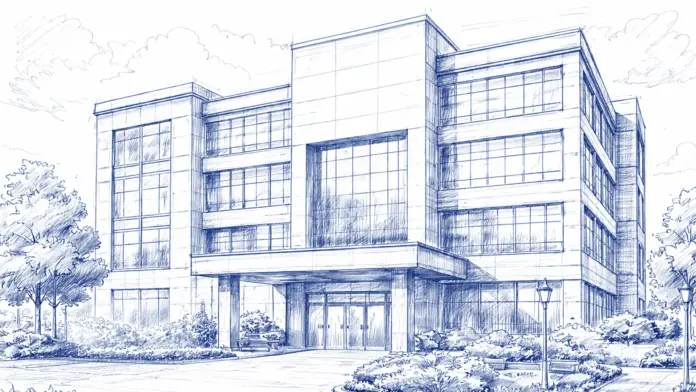
Cherry Creek Treatment Center is a drug and alcohol rehab in Wichita, Kansas offering comprehensive addiction treatment for adolescents and adults.
The facility provides detox, inpatient, intensive outpatient and outpatient programs designed to address substance use disorders alongside cooccurring mental health concerns.
The center provides medically supervised detox, residential inpatient treatment, intensive outpatient programming and standard outpatient care.
Telehealth services are also available for clients who need remote support during their recovery journey.
Cherry Creek Treatment Center serves adults and adolescents.
The adolescent residential program is specifically designed for youth struggling with substance use disorders and cooccurring behavioral or mental health challenges.
Clinical services include cognitive behavioral therapy, group therapy and medication assisted treatment for opioid addiction.
Holistic therapies such as yoga and meditation complement traditional methods.
Cherry Creek Treatment Center is located in Wichita, providing a serene setting for healing and personal growth.

 Our Methodology


Medicaid is a state based program that helps lower-income individuals and families pay for healthcare. Medicaid covers addiction treatment so those enrolled can use their coverage to pay for rehab. When a program accepts Medicaid the client often pays very little or nothing out of their own pocket.
Self-pay involves paying for treatment out of your own pocket. You can use savings or credit, get a personal loan, or receive help from family and friends to fund your treatment. If you don't have insurance or your insurance plan doesn't cover a specific program, self-pay can help ensure you still get the care you need.
Financing your treatment can make treatment more accessible. You'll work with your care provider to set up payment plans, including interest rates and repayment timelines. Financing options vary widely and not all programs offer them, so be sure to get the full details before enrolling in treatment. If you have insurance or other benefits, financing may help you cover your remaining out of pocket expenses.
Physical withdrawal can be uncomfortable, and in severe cases, it can even be dangerous. In an inpatient environment, a medically assisted detox is performed by a team of licensed medical professionals who monitor your vitals, provide medications when necessary, and ensure your safety, health, and comfort during this process. Medical detox is usually the very first step in the recovery process.
Inpatient rehab offers intensive treatment and typically include round-the-clock clinical care. Inpatient treatment is designed primarily for clients exiting detox, those in early recovery, and those at an increased risk of relapse. Inpatient programs generally involve multiple addiction counseling sessions per week, which may include individual, group, and family counseling. Many inpatient rehabs also offer recovery-focused life skills training and evidence-based holistic therapies, such as meditation, massage, yoga, equine therapy, and experiential therapy.
Clients exiting detox, stepping down from inpatient rehab, or at an increased risk of relapse often enroll in intensive outpatient programs (IOP). These programs offer high-level support, including multiple therapeutic sessions per week. Clients typically receive between nine and 20 hours of treatment weekly. Intensive outpatient rehabs generally offer an array of services, including individual, group, and family counseling and recovery education. Medication assisted treatment (MAT) is widely available for those in alcohol and/or opioid recovery.
Clients receiving treatment at an outpatient facility are often further along in their recovery journey than those in inpatient care, meaning they may require less intensive supervision and support. Outpatient services generally include addiction counseling, recovery education, and community reintegration support. Most outpatient rehabs offer evening, night, and weekend services to accommodate clients' needs. Clients who are in early recovery or are at an increased relapse risk may enroll in partial hospitalization (PHP) or intensive outpatient (IOP) programs.
Clients in a rehab aftercare program typically have completed intensive inpatient treatment but may be receiving outpatient care. Many have concluded outpatient treatment as well and are in the maintenance phase of their recovery. Rehab aftercare services are designed to provide a full continuum of care as clients apply their recovery skills at home, in the workplace, and in the community. Clients typically receive peer coaching, career counseling, and 12 step recovery program induction, among other services.
Telehealth may involve several types of virtual treatment. Teleconsultations allow a physician to provide medical advice from a distance. Remote patient monitoring allows patients to wear sensors that collect and transmit health data to their provider. Telehomecare provides sensors in the home to alert medical professionals of emergency situations.
A person with alcoholism, also known as alcohol use disorder (AUD), is unable to stop drinking despite experiencing negative consequences. They continue to drink, even if it causes problems at home or work. When an individual becomes dependent on alcohol, expert intervention is often necessary to recover. Psychological, social, and medical supports are available at alcohol rehab in Kansas which makes long-term recovery possible.
 Opioid Addiction
The length, intensity, setting, and treatment methods vary for each drug rehab in Kansas. Plans of care can be tailored to meet each person's own unique situation and needs. With the right program, individuals can successfully achieve long-term sobriety.
Drug rehabs in Kansas provide specialized care for individuals looking to overcome substance abuse and addiction. These programs offer a range of care options, including outpatient, inpatient, dual-diagnosis, and partial hospitalization programs. Expert clinicians utilize evidence-based treatments and trauma-informed therapies to address substance abuse and empower individuals in their long-term recovery.
Comprehensive addiction treatment involves mental health services which are provided throughout the treatment process. These treatment programs can include psychological support, experiential therapies, individual and group counseling, and evidence-based therapeutic interventions that are aimed at addressing addiction and improving mental health.
Specialized dual-diagnosis addiction treatment programs in Kansas have the expertise to treat individuals with co-occurring substance use disorders and mental health conditions. Care levels include outpatient, inpatient, and partial hospitalization programs. Using evidence-based interventions, like cognitive behavioral therapy, or dialectical behavioral therapy, art therapy, and psychoeducation, clinicians address co-occurring disorders simultaneously, helping patients achieve sobriety and improve their overall mental health and physical well-being.
Teen programs are designed to address the unique pressures teens face, pressures that can drive them to experiment with dangerous, addictive substances. They need programs that meet them exactly where they are and give them tools for long-term recovery. Therapy can help teenagers understand and work through underlying issues so they can reclaim the life ahead of them.
Adult rehab programs include therapies tailored to each client's specific needs, goals, and recovery progress. They are tailored to the specific challenges adult clients may face, including family and work pressures and commitments. From inpatient and residential treatment to various levels of outpatient services, there are many options available. Some facilities also help adults work through co-occurring conditions, like anxiety, that can accompany addiction.
If your therapist applies methods of cognitive behavioral therapy in Kansas, you can expect to gain a better understanding of your thoughts and behaviors and learn how to cope with difficult situations without using substances. This method is a proven technique for treating substance use and mental health disorders.
Substance abuse treatment typically includes group therapy where you can learn essential coping skills that help you navigate challenges within the community and relapse prevention strategies that support sustainable recovery. Group therapy offers you a platform to share your stories with your peers who understand the journey you are on.
 Metropolitan Area
The Commission on Accreditation of Rehabilitation Facilities (CARF) is a non-profit organization that specifically accredits rehab organizations. Founded in 1966, CARF's, mission is to help service providers like rehab facilities maintain high standards of care.
CARF Accreditation: Yes
Rehab.com regularly reviews this listing for accuracy but changes may occur between updates. For the most up-to-date information, please contact Cherry Creek Treatment Center: Addiction Treatment Center, Alcohol & Drug Rehab Kansas.

8080 E Pawnee St, Wichita, KS 67207
Sponsored Helpline

Great program and staff, and it is so amazing to see something like this offered in Wichita. They truly care about the work they do, and are in it for the right reasons - To make an impact on people's lives. Much love to the entire team and the many ways they go the extra mile, daily

Cherry creek may not Look like much on the outside. But on the inside where the residents and outpatients and adolescents are, Is one of the most best life changing experiences that I have ever encountered. The Have BHT's and counselors that are also recovering addicts , who understand the way that extinct think and have a better understanding about how people individually are. They're caring.They truly , and I can't express or or stretch this enough by saying they truly give a Damn about everybody And they're recovery. Unfortunately, I recently relapsed and have decided to go back to Cherry Creek. Because I know that it was a judgment free facility. I know that I will feel understood and heard when I go back. So thank you, Cherry Creek for not only giving me a place that I know that I feel safe. To go back to when I messed up, but I know that I will learn something new and different.Not just about addiction, but myself when I go.So thank you cherry creek.

Cherry Creek completely changed my opinion on Inpatient/Outpatient treatment. I valued my time there and completely recommend everything they have to offer.

 Back
Back
Sharing your insights and experiences can help others learn more about this rehab center.