































































































This place saved my life. From day 1 they held me accountable and pushed me to "dig deeper" to uncover the roots of why I used. When I wanted to give up on myself staff wouldn't let me. Staff were always there for me especially Ms. Brittney, Ms. Queen, and Ms. Raven. Staff ...
About Daymark Recovery Services – Guilford Residential Treatment Center
Daymark Recovery Services – Guilford Residential Treatment Center provides a substance use treatment program in the High Point and Greensboro area of North Carolina.
This 24 hour program serves people who are eligible Guilford County residents seeking help with addiction and substance related disorders.
As part of Daymark Recovery Services the program’s goal is to help you achieve sobriety and build the skills to live free from addiction.
Residential Addiction Treatment
Daymark provides high intensity residential care built around clinical assessment, substance use screening and personalized treatment planning.
As a publicly funded program it offers a pathway to residential recovery for qualifying county residents who might otherwise be unable to afford care.
Treatment includes individual counseling, group therapy, substance abuse education, relapse prevention support and medication management.
Sessions focus on both the underlying drivers of your addiction and practical recovery skills. Many people appreciate the program’s accountability, caring staff and life changing support.
Structured Aftercare and Continued Support
Discharge planning is a core part of the Daymark model with each person receiving a person centered aftercare plan.
The program also connects you to community recovery resources, employment and education support, housing support and referrals to other Daymark services.
Facility Overview
 56
56 Number of Available Beds
Latest Reviews
First off i wanna say that ANY negative comments are from patients who didn’t apply themselves (and expect someone to hold heir hand like a baby) and ex-workers who hated their job. Nobody that applies themselves at daymark has any bad remarks towards them. DO NOT let these comments discourage you. Daymark is a FREE place where you can better yourself if you apply the information that is freely given to you. The food is good, the staff that’s been there the longest? that’s who you’re gunna get the love from. Ms.Keeva, Mr.Curtis, Ms.Stacy, Ms.Rylie, Ms.Tori, Ms.Denita, Ms.Jacky, Ms.Michelle, i could go on and on, these people CARE. This program is designed for people 18 and up, which makes you an adult. So here you are to act like an adult. if you want to be babied you won’t make it at daymark or any other place. PLEASE IGNORE THE NEGATIVITY
Response from the owner3 weeks ago
Thank you for your review and for recognizing the dedication of our staff! We’re grateful for your support and are glad to know your experience at Daymark has been a positive one.
Thank you so much for saving my life!!! Thanks to you I have everything I need to continue my walk in recovery
Reviewed on 11/29/2019
This place saved my life. From day 1 they held me accountable and pushed me to "dig deeper" to uncover the roots of why I used. When I wanted to give up on myself staff wouldn't let me. Staff were always there for me especially Ms. Brittney, Ms. Queen, and Ms. Raven. Staff taught me that I am worth my recovery. They don't play around so if you to save your life this is the place to go.

Rehab Score
 Our Methodology
Scoring is assigned by a proprietary system which helps surface key metrics that determine quality. The 10-point scale factors in categories such as operations, customer satisfaction, and trust metrics. Read Full Methodology

7.1 / 10
Location
Other Forms of Payment
Private insurance refers to any kind of healthcare coverage that isn't from the state or federal government. This includes individual and family plans offered by an employer or purchased from the Insurance Marketplace. Every plan will have different requirements and out of pocket costs so be sure to get the full details before you start treatment.
Self-pay involves paying for treatment out of your own pocket. You can use savings or credit, get a personal loan, or receive help from family and friends to fund your treatment. If you don't have insurance or your insurance plan doesn't cover a specific program, self-pay can help ensure you still get the care you need.
Financial aid can take many forms. Centers may have grants or scholarships available to clients who meet eligibility requirements. Programs that receive SAMHSA grants may have financial aid available for those who need treatment as well. Grants and scholarships can help you pai for treatment without having to repay.
Sliding scale payments are based on a client's income and family size. The goal is to make treatment affordable to everyone. By taking these factors into account, addiction recovery care providers help ensure that your treatment does not become a financial burden to you or your family, eliminating one barrier to care.
Medicare is a federal program that provides health insurance for those 65 and older. It also serves people under 65 with chronic and disabling health challenges. To use Medicare for addiction treatment you need to find a program that accepts Medicare and is in network with your plan. Out of pocket costs and preauthorization requirements vary, so always check with your provider.
Medicaid is a state based program that helps lower-income individuals and families pay for healthcare. Medicaid covers addiction treatment so those enrolled can use their coverage to pay for rehab. When a program accepts Medicaid the client often pays very little or nothing out of their own pocket.
 Free
FreeMilitary members, veterans, and eligible dependents have access to specific insurance programs that help them get the care they need. TRICARE and VA insurance can help you access low cost or no cost addiction and mental health treatment. Programs that accept military insurance often have targeted treatment focused on the unique challenges military members, veterans, and their families face.
Addiction Treatments
Levels of Care
Outpatient Treatment represents an array of services designed to meet significant behavioral and/or psychiatric symptoms that have been identified as treatment needs of the individual seeking services. Needs are identified through clinical assessment and evaluation, and/or crisis planning, with the participation of the individual seeking services and others of their choosing. Daymark provides outpatient treatment to adults and children (Age 3+) with primarily mental health and/or substance abuse disorders. Hours of operation are designed to be available Monday through Friday, from 8:00 AM until 5:00 PM at a minimum, and thru 8:00 PM in many locations.
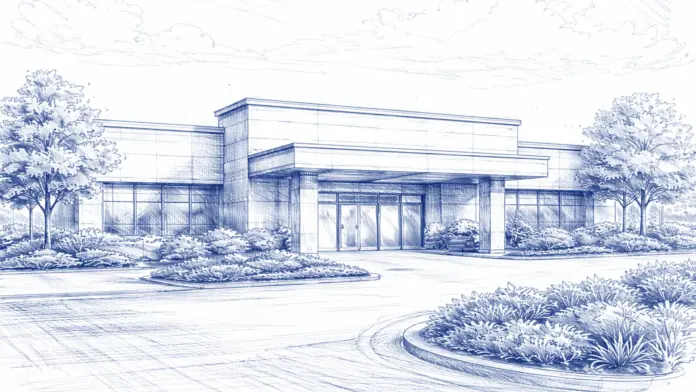
Guilford Residential Center, owned by Guilford County, and operated by Daymark Recovery Services, Inc., provides a comprehensive array of services to adults, both men and women (Age 18+) coping with addiction and related disorders, providing both high and low intensity residential care and treatment. The Guilford Residential Center is a 24 hour, 365 day per year residential treatment facility for persons with substance abuse issues. The center hosts a 56 bed capacity where rooms are semi-private and the space is arranged in such a way as to maximize privacy while not interfering with needed supervision. A staffed full-service kitchen provides three nutritionally balanced meals (along with snacks) daily. Staff is available around the clock and provide hourly checks on persons served at night. Referrals are accepted from anyone and admission interviews occur daily, 8-5, Monday through Friday.
Daymark SAIOP involves a series of structured individual, family, and group activities and services provided on an outpatient basis designed to assist adult and adolescent clients with addiction disorders to begin recovery and learn skills for recovery maintenance. SAIOP also informs the client about benefits, community resources and services, and services; assists the client in accessing benefits and services and monitors the provision of services. SAIOP provides education on both wellness and recovery.
Rehab aftercare programs offer a complete continuum of care for clients in the maintenance phase of recovery and are predicated on the idea that addiction disease is a chronic condition prone to relapse and warranting continuing care. Clients collaborate with their care team and case manager to access the specific rehab aftercare services they need to promote their sustained sobriety. Peer coaching, relapse prevention services, career counseling, and 12 step program induction are common in these programs.
12 step programs are based on a model of life-long recovery and are rooted in peer support and spiritual development. Regular attendance at 12 step meetings is the cornerstone of treatment, as is the selection of a peer sponsor to guide participants through the steps of recovery. These steps are based on non-denominational spiritual principles and are designed to foster self-awareness, forgiveness, acceptance, and accountability. Specialized programs are widely available, including programs for teens, seniors, and families.
A sober living home in North Carolina offers structure and support to help individuals maintain sobriety. The home is free from substances and offers 12-step programs, individual responsibilities, and mutual support with others in recovery. This setting can provide a lifeline as individuals strengthen recovery skills and prepare to reenter mainstream society. Most residents remain in a men's or women's sober living home for six months or more.
Intervention services helps family or friends of addicts stage an intervention, which is a meeting in which loved ones share their concerns and attempt to get an addict into treatment. Professional intervention specialists can help loved ones organize, gather, and communicate with an addict. They can guide intervention participants in describing the damage the addict's behavior is causing and that outside help is necessary to address the addiction. The ideal outcome of an intervention is for the addict to go to rehab and get the help they need.
Individuals in early recovery often require 24-hour clinical care in North Carolina. This supervised care typically includes medications to treat specific withdrawal symptoms, which vary based on the substance abused. For example, staff may provide sleep aids to treat insomnia in patients who are addicted to marijuana. For those overcoming a cocaine use disorder, anti-depressants may be prescribed to manage mood swings. Other medications may also be provided to treat addiction-related health issues.
Drug and alcohol addiction often takes a heavy toll on one's body. Over time, a physical dependence can develop, meaning the body physiologically needs the substance to function. Detox is the process of removing drugs and/or alcohol from the body, a process that can be lethal if mismanaged. Medical detox is done by licensed medical professionals who monitor vital signs and keep you safe, healthy, and as comfortable as possible as you go through detox and withdrawal.
Treatments
The goal of treatment for alcoholism is abstinence. Those with poor social support, poor motivation, or psychiatric disorders tend to relapse within a few years of treatment. For these people, success is measured by longer periods of abstinence, reduced use of alcohol, better health, and improved social functioning. Recovery and Maintenance are usually based on 12 step programs and AA meetings.
There are many types of drug rehab in North Carolina. To receive treatment for addiction, you can choose from many inpatient and outpatient programs. Often, participants start with detox and work through a full continuum of care that continues with ongoing support for long-term recovery.
Many of those suffering from addiction also suffer from mental or emotional illnesses like schizophrenia, bipolar disorder, depression, or anxiety disorders. Rehab and other substance abuse facilities treating those with a dual diagnosis or co-occurring disorder administer psychiatric treatment to address the person's mental health issue in addition to drug and alcohol rehabilitation.
A combined mental health and substance abuse rehab has the staff and resources available to handle individuals with both mental health and substance abuse issues. It can be challenging to determine where a specific symptom stems from (a mental health issue or an issue related to substance abuse), so mental health and substance abuse professionals are helpful in detangling symptoms and keeping treatment on track.
Opioid rehabs specialize in supporting those recovering from opioid addiction. They treat those suffering from addiction to illegal opioids like heroin, as well as prescription drugs like oxycodone. These centers typically combine both physical as well as mental and emotional support to help stop addiction. Physical support often includes medical detox and subsequent medical support (including medication), and mental support includes in-depth therapy to address the underlying causes of addiction.
Programs
Adult rehab programs include therapies tailored to each client's specific needs, goals, and recovery progress. They are tailored to the specific challenges adult clients may face, including family and work pressures and commitments. From inpatient and residential treatment to various levels of outpatient services, there are many options available. Some facilities also help adults work through co-occurring conditions, like anxiety, that can accompany addiction.
Young adulthood can be an exciting, yet difficult, time of transition. Individuals in their late teens to mid-20s face unique stressors related to school, jobs, families, and social circles, which can lead to a rise in substance use. Rehab centers with dedicated young adult programs will include activities and amenities that cater to this age group, with an emphasis on specialized counseling, peer socialization, and ongoing aftercare.
Recovery is most successful when clients feel accepted and validated by their peers and treatment providers. Facilities that offer LGBTQ-inclusive programming are committed to creating a safe space where everyone can grow and recover without fear of judgment or discrimination. They will have dedicated policies in place to create a safe and supportive environment that fosters free expression.
Serving in the military is both mentally and physically challenging, and can result in trauma that persists even after combat ends. Military programs are tailored to the specific and often complex needs of active duty personnel, veterans, and military families. Clients often access these programs through the U.S. Department of Veterans Affairs (VA).
Clinical Services
Cognitive Behavioral Therapy (CBT) is a therapy modality that focuses on the relationship between one's thoughts, feelings, and behaviors. It is used to establish and allow for healthy responses to thoughts and feelings (instead of unhealthy responses, like using drugs or alcohol). CBT has been proven effective for recovering addicts of all kinds, and is used to strengthen a patient's own self-awareness and ability to self-regulate. CBT allows individuals to monitor their own emotional state, become more adept at communicating with others, and manage stress without needing to engage in substance abuse.
Dialectic Behavior Therapy is for people with Borderline Personality Disorder, substance use disorders, and binge eating disorders. It helps individuals learn how to regulate strong emotions more effectively. DBT teaches coping skills and different tools so a person can line a more healthy and stable life. The end goal is to have a life worth living.
Group therapy is any therapeutic work that happens in a group (not one-on-one). There are a number of different group therapy modalities, including support groups, experiential therapy, psycho-education, and more. Group therapy involves treatment as well as processing interaction between group members.
In individual therapy, a patient meets one-on-one with a trained psychologist or counselor. Therapy is a pivotal part of effective substance abuse treatment, as it often covers root causes of addiction, including challenges faced by the patient in their social, family, and work/school life.
Motivational Interviewing (MI) is a clinical approach to helping people with substance abuse issues and other conditions shift behavior in positive ways. It is more goal-oriented than traditional psychotherapy, as MI counselors directly attempt to get clients to consider making behavioral change (rather than wait for them to come to conclusions themselves). Its primary purpose is to resolve ambivalence and help clients become able to make healthy choices freely.
Trauma therapy addresses traumatic incidents from a client's past that are likely affecting their present-day experience. Trauma is often one of the primary triggers and potential causes of addiction, and can stem from child sexual abuse, domestic violence, having a parent with a mental illness, losing one or both parents at a young age, teenage or adult sexual assault, or any number of other factors. The purpose of trauma therapy is to allow a patient to process trauma and move through and past it, with the help of trained and compassionate mental health professionals.
Whether a marriage or other committed relationship, an intimate partnership is one of the most important aspects of a person's life. Drug and alcohol addiction affects both members of a couple in deep and meaningful ways, as does rehab and recovery. Couples therapy and other couples-focused treatment programs are significant parts of exploring triggers of addiction, as well as learning how to build healthy patterns to support ongoing sobriety.
Research clearly demonstrates that recovery is far more successful and sustainable when loved ones like family members participate in rehab and substance abuse treatment. Genetic factors may be at play when it comes to drug and alcohol addiction, as well as mental health issues. Family dynamics often play a critical role in addiction triggers, and if properly educated, family members can be a strong source of support when it comes to rehabilitation.
Routine tasks are difficult for someone experiencing addiction. Daily skills deteriorate, which makes it harder to achieve recovery. That's why drug rehab programs in North Carolina reteach basic life skills. This gives you the tools you need to manage daily life without returning to substance use.
Nutrition therapy, aka medical nutrition therapy (MNT), is a way of treating physical, emotional, and medical conditions through diet. Specific dietary plans are designed by professional nutritionists or registered dietitians, and patients follow them in order to positively affect their physical and mental health.
If you've been smoking for a while, your body has become physically dependent on the addictive substance nicotine. To avoid unpleasant withdrawal as you quit smoking, you can use nicotine replacement therapy in North Carolina. This gives you controlled amounts of nicotine in the form of lozenges, inhalers, sprays, patches, or gum.
Amenities
-
 Private Transportation
 -
 Residential Setting
 -
 Private Rooms
Staff & Accreditations
Staff
Billy R. West Jr., MSW, LCSW
President & CEO
Dr. Elizabeth Pekarek, MD
Medical Director
Michelle Ivey, MSW, MHA, LCSW, CSWM
Chief Program Officer
Dr. Philip Nofal, MD, JD
Medical Director
Deidra Cook
Strategy and Analytics Director
Cathy Shoaf, CPUC, AIM
Human Resources Director
Accreditations

The Commission on Accreditation of Rehabilitation Facilities (CARF) is a non-profit organization that specifically accredits rehab organizations. Founded in 1966, CARF's, mission is to help service providers like rehab facilities maintain high standards of care.
CARF Accreditation: Yes

State Licenses are permits issued by government agencies that allow rehab organizations to conduct business legally within a certain geographical area. Typically, the kind of program a rehab facility offers, along with its physical location, determines which licenses are required to operate legally.
State License: North Carolina
Rehab.com regularly reviews this listing for accuracy but changes may occur between updates. For the most up-to-date information, please contact Daymark Recovery Services – Guilford Residential Treatment Center.
Contact Information

5209 West Wendover Avenue
High Point, NC 27265
Get Help Now - 336-600-2719
Sponsored Helpline
Sponsored Helpline


