





























































































About Defying the Odds
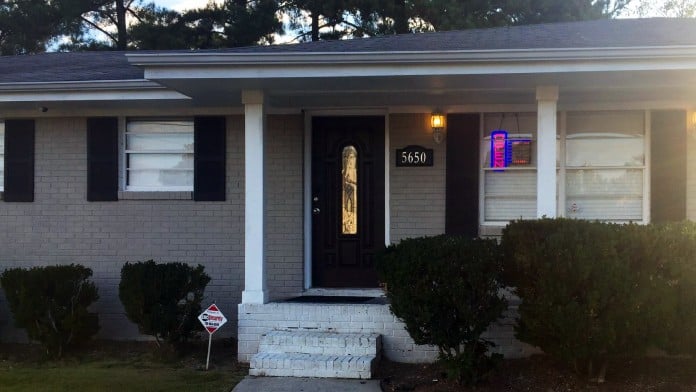
Defying the Odds Inc. is a community based outpatient agency in College Park, Georgia, providing evaluations, counseling, and ASAM Level 1 treatment for adults navigating court, probation, employer or regulatory requirements. T
he program serves men and women with substance use concerns, DUI/DWI matters and related compliance needs using individual counseling, group counseling, motivational interviewing and relapse prevention planning.
Established in 2005, the agency focuses on helping clients meet their obligations while building the tools needed to move forward with confidence.
Court-Involved Outpatient Addiction Treatment
Defying the Odds specializes in ASAM Level 1 outpatient treatment offered in short and long-term formats for clients referred through the justice system, employers or DOT programs.
The agency also provides alcohol and drug evaluations, including non-DUI, possession/probation, EAP and DOT/SAP assessments.
Sessions combine individual and group counseling with trauma informed care, motivational interviewing and relapse prevention planning.
On-site urine drug screening, breathalyzer testing, 10-panel and DOT drug tests support accountability throughout the treatment process.
Behavioral and Compliance-Focused Programs
Beyond substance use care, Defying the Odds offers family violence intervention for male and female participants, anger management and parenting skills classes.
These programs give clients navigating legal or workplace mandates a centralized place to complete court-ordered requirements while working on the underlying behaviors driving them.
Affordable Payments for Classes and Testing
The College Park office on Old National Highway serves as the main hub, with additional Georgia locations in Thomaston, Duluth, and Newnan providing in-person services across the metro Atlanta area and beyond.
Defying the Odds posts transparent à la carte self-pay pricing for classes, evaluations and testing directly on its website.
They accept cash or self-payment.
Latest Reviews



Rehab Score
 Our Methodology


Gallery
Other Forms of Payment
Self-pay involves paying for treatment out of your own pocket. You can use savings or credit, get a personal loan, or receive help from family and friends to fund your treatment. If you don't have insurance or your insurance plan doesn't cover a specific program, self-pay can help ensure you still get the care you need.
Addiction Treatments
Levels of Care
Outpatient Programs (OP) are for those seeking mental rehab or drug rehab, but who also stay at home every night. The main difference between outpatient treatment (OP) and intensive outpatient treatment (IOP) lies in the amount of hours the patient spends at the facility. Most of the time an outpatient program is designed for someone who has completed an inpatient stay and is looking to continue their growth in recovery. Outpatient is not meant to be the starting point, it is commonly referred to as aftercare.
Completing a drug or alcohol rehab program shouldn't spell the end of substance abuse treatment. Aftercare involves making a sustainable plan for recovery, including ongoing support. This can include sober living arrangements like halfway houses, career counseling, and setting a patient up with community programs like Alcoholics Anonymous (AA) or Narcotics Anonymous (NA).
Treatments
The goal of treatment for alcoholism is abstinence. Those with poor social support, poor motivation, or psychiatric disorders tend to relapse within a few years of treatment. For these people, success is measured by longer periods of abstinence, reduced use of alcohol, better health, and improved social functioning. Recovery and Maintenance are usually based on 12 step programs and AA meetings.
A quality drug rehab in Georgia can help you overcome addiction. This environment is designed to help you address the complex issues contributing to drug dependence. The goal of treatment is to give you the tools you need to make a full recovery.
A combined mental health and substance abuse rehab has the staff and resources available to handle individuals with both mental health and substance abuse issues. It can be challenging to determine where a specific symptom stems from (a mental health issue or an issue related to substance abuse), so mental health and substance abuse professionals are helpful in detangling symptoms and keeping treatment on track.
Opioid rehabs specialize in supporting those recovering from opioid addiction. They treat those suffering from addiction to illegal opioids like heroin, as well as prescription drugs like oxycodone. These centers typically combine both physical as well as mental and emotional support to help stop addiction. Physical support often includes medical detox and subsequent medical support (including medication), and mental support includes in-depth therapy to address the underlying causes of addiction.
Programs
Adult rehab programs include therapies tailored to each client's specific needs, goals, and recovery progress. They are tailored to the specific challenges adult clients may face, including family and work pressures and commitments. From inpatient and residential treatment to various levels of outpatient services, there are many options available. Some facilities also help adults work through co-occurring conditions, like anxiety, that can accompany addiction.
Young adulthood can be an exciting, yet difficult, time of transition. Individuals in their late teens to mid-20s face unique stressors related to school, jobs, families, and social circles, which can lead to a rise in substance use. Rehab centers with dedicated young adult programs will include activities and amenities that cater to this age group, with an emphasis on specialized counseling, peer socialization, and ongoing aftercare.
Clinical Services
Group therapy is any therapeutic work that happens in a group (not one-on-one). There are a number of different group therapy modalities, including support groups, experiential therapy, psycho-education, and more. Group therapy involves treatment as well as processing interaction between group members.
Moral Reconation Therapy (MRT) is a modality based on strengthening moral reasoning, that can be used in substance abuse treatment. Originally created to help criminal offenders stop committing crimes, it is a structured approach that includes both group and individual counseling, as well as homework exercises. The MRT workbook is structured around 16 steps (units) focusing on 7 treatment issues, including building a healthy, positive identity; developing a higher frustration tolerance; and forming a strong moral belief structure. Participants meet 1-2 times weekly in groups, and can complete all steps of the MRT program in 3-6 months.
Rehab.com regularly reviews this listing for accuracy but changes may occur between updates. For the most up-to-date information, please contact Defying the Odds.
Contact Information


5650 Old National Highway
College Park, GA 30349
Sponsored Helpline

