






























































































It's a very good place help me with my depression I'm making new friends and getting along with people and it's making me smile a little bit
About Frontier Health Victory Center
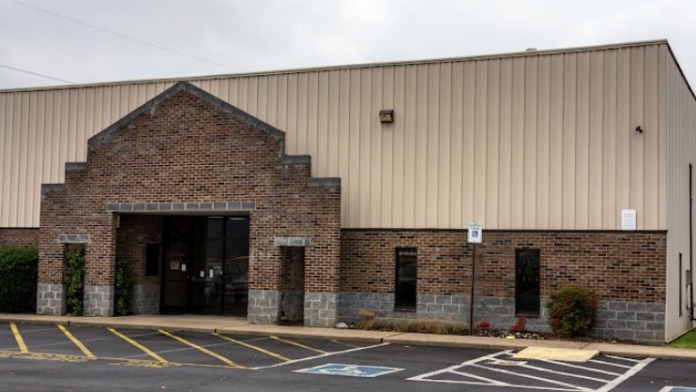
Frontier Health Victory Center is a psychosocial rehabilitation and recovery education program in Johnson City, Tennessee offering outpatient support for adults navigating mental health challenges and addiction as well as co-occurring disabilities.
As part of the Frontier Health network Victory Center combines recovery education, life skills training, and employment services to promote lasting wellness and community reintegration.
WRAP and Psychoeducation
Victory Center functions as a Recovery Education Center providing outpatient psychosocial rehabilitation rather than inpatient care.
Services connect with case management and supported housing, peer support centers, and psychiatric care to create a comprehensive continuum tailored to each adult’s recovery journey.
Clients can expect psychoeducation and WRAP (Wellness Recovery Action Plan), advocacy and community integration, leisure education, and co-occurring disorder support.
The program’s specialized employment services include vocational planning and job readiness training, Individual Placement and Support, job coaching, and Ticket to Work helping participants build practical skills for long term recovery.
Quick Facts About Frontier Health Victory Center
- Location: Johnson City, Tennessee, serving eight Northeast Tennessee counties.
- Levels of care: Outpatient psychosocial rehabilitation and recovery education.
- Who they treat: Adults with mental health, addiction, and co-occurring disabilities.
- Approach: Recovery education, WRAP, life skills, and community based wellness.
- Payment options: Private insurance, self pay, and financial aid; funded in part by the Tennessee Department of Mental Health and Substance Abuse Services.
- Special features: Robust employment and vocational rehabilitation services.
- Setting: Private, inspiring educational environment focused on skill building.
Latest Reviews
I had Cassandra as my work specialist and she was amazing. She helped me massively with getting a job I was comfortable with. She assisted me with clothing and rides too places I needed too be at. I struggle with social environments among other things, while working with her she was patient and considerate of my boundaries. She made me feel like it was okay too be a person in a working environment that wants machines. Working with Cassandra has genuinly helped me become a better person aside from MASSIVELY helping me get a job. With how hard it is too get a job now, shes helped me get multiple interviews before I settled with my current job. If you are applying for work, work with the people here. There is no cost, they don't take any income you make, they are genuinely there too help you.
Cassandra Goodyear was my employment specialist she went out of her way for me .She is very professional in the way she did job searches for me and in the end we found a job that is perfect for my situation.I would highly recommend her she was patient with me in all aspects such as paper work and computer knowledge i am really excited to start my new job Thank you Cassandra for your professionalism
Cassandra did an excellent job with guiding Mr through the whole process. If I had any questions or concerns she was more than willing to answer as well as accommodate me by using text messages instead of only voice calls.

Rehab Score
 Our Methodology
Scoring is assigned by a proprietary system which helps surface key metrics that determine quality. The 10-point scale factors in categories such as operations, customer satisfaction, and trust metrics. Read Full Methodology

6.9 / 10
Gallery
Other Forms of Payment
Medicaid is a state based program that helps lower-income individuals and families pay for healthcare. Medicaid covers addiction treatment so those enrolled can use their coverage to pay for rehab. When a program accepts Medicaid the client often pays very little or nothing out of their own pocket.
Private insurance refers to any kind of healthcare coverage that isn't from the state or federal government. This includes individual and family plans offered by an employer or purchased from the Insurance Marketplace. Every plan will have different requirements and out of pocket costs so be sure to get the full details before you start treatment.
Self-pay involves paying for treatment out of your own pocket. You can use savings or credit, get a personal loan, or receive help from family and friends to fund your treatment. If you don't have insurance or your insurance plan doesn't cover a specific program, self-pay can help ensure you still get the care you need.
Financial aid can take many forms. Centers may have grants or scholarships available to clients who meet eligibility requirements. Programs that receive SAMHSA grants may have financial aid available for those who need treatment as well. Grants and scholarships can help you pai for treatment without having to repay.
Sliding scale payments are based on a client's income and family size. The goal is to make treatment affordable to everyone. By taking these factors into account, addiction recovery care providers help ensure that your treatment does not become a financial burden to you or your family, eliminating one barrier to care.
Medicare is a federal program that provides health insurance for those 65 and older. It also serves people under 65 with chronic and disabling health challenges. To use Medicare for addiction treatment you need to find a program that accepts Medicare and is in network with your plan. Out of pocket costs and preauthorization requirements vary, so always check with your provider.
Addiction Treatments
Levels of Care
Outpatient Programs (OP) are for those seeking mental rehab or drug rehab, but who also stay at home every night. The main difference between outpatient treatment (OP) and intensive outpatient treatment (IOP) lies in the amount of hours the patient spends at the facility. Most of the time an outpatient program is designed for someone who has completed an inpatient stay and is looking to continue their growth in recovery. Outpatient is not meant to be the starting point, it is commonly referred to as aftercare.
Treatments
Many of those suffering from addiction also suffer from mental or emotional illnesses like schizophrenia, bipolar disorder, depression, or anxiety disorders. Rehab and other substance abuse facilities treating those with a dual diagnosis or co-occurring disorder administer psychiatric treatment to address the person's mental health issue in addition to drug and alcohol rehabilitation.
Mental health rehabs focus on helping individuals recover from mental illnesses like bipolar disorder, clinical depression, anxiety disorders, schizophrenia, and more. Mental health professionals at these facilities are trained to understand and treat mental health issues, both in individual and group settings.
Programs
Adult rehab programs include therapies tailored to each client's specific needs, goals, and recovery progress. They are tailored to the specific challenges adult clients may face, including family and work pressures and commitments. From inpatient and residential treatment to various levels of outpatient services, there are many options available. Some facilities also help adults work through co-occurring conditions, like anxiety, that can accompany addiction.
Young adulthood can be an exciting, yet difficult, time of transition. Individuals in their late teens to mid-20s face unique stressors related to school, jobs, families, and social circles, which can lead to a rise in substance use. Rehab centers with dedicated young adult programs will include activities and amenities that cater to this age group, with an emphasis on specialized counseling, peer socialization, and ongoing aftercare.
Clinical Services
Experiential therapy is a form of therapy in which clients are encouraged to surface and work through subconscious issues by engaging in real-time experiences. Experiential therapy departs from traditional talk therapy by involving the body, and having clients engage in activities, movements, and physical and emotional expression. This can involve role-play or using props (which can include other people). Experiential therapy can help people process trauma, memories, and emotion quickly, deeply, and in a lasting fashion, leading to substantial and impactful healing.
Research clearly demonstrates that recovery is far more successful and sustainable when loved ones like family members participate in rehab and substance abuse treatment. Genetic factors may be at play when it comes to drug and alcohol addiction, as well as mental health issues. Family dynamics often play a critical role in addiction triggers, and if properly educated, family members can be a strong source of support when it comes to rehabilitation.
Group therapy is any therapeutic work that happens in a group (not one-on-one). There are a number of different group therapy modalities, including support groups, experiential therapy, psycho-education, and more. Group therapy involves treatment as well as processing interaction between group members.
Life skills trainings involve all the skills a person must have in order to function successfully in the world. These include time management, career guidance, money management, and effective communication. Truly successful addiction recovery is based on the ability to not only live substance-free, but to thrive. Life skills teaches the practical necessities of functioning in society, which sets clients up for success in life, and therefore sobriety.
Nutrition therapy, aka medical nutrition therapy (MNT), is a way of treating physical, emotional, and medical conditions through diet. Specific dietary plans are designed by professional nutritionists or registered dietitians, and patients follow them in order to positively affect their physical and mental health.
Trauma therapy addresses traumatic incidents from a client's past that are likely affecting their present-day experience. Trauma is often one of the primary triggers and potential causes of addiction, and can stem from child sexual abuse, domestic violence, having a parent with a mental illness, losing one or both parents at a young age, teenage or adult sexual assault, or any number of other factors. The purpose of trauma therapy is to allow a patient to process trauma and move through and past it, with the help of trained and compassionate mental health professionals.
Amenities
-
 Private Setting
Accreditations

The Substance Abuse and Mental Health Services Administration (SAMHSA) is a branch of the U.S. Department of Health and Human Services. Established in 1992 by congress, SAMHSA's mission is to reduce the impact of substance abuse and mental illness on American's communities.
SAMHSA Listed: Yes
Rehab.com regularly reviews this listing for accuracy but changes may occur between updates. For the most up-to-date information, please contact Frontier Health Victory Center.
Contact Information

2243 Eddie Williams Road
Johnson City, TN 37601
Get Help Now - 865-855-6975
Sponsored Helpline
Sponsored Helpline

