





























































































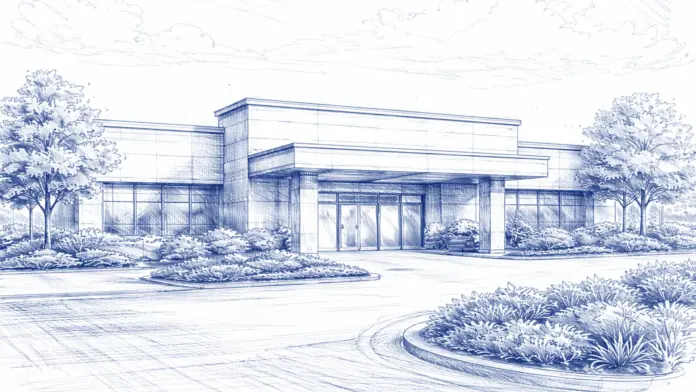
About Healing House Recovery Community Center
Healing House Recovery Community Center is a CARF accredited addiction treatment and recovery housing provider serving adults in Kansas City, Missouri. The center offers outpatient substance use treatment, transitional housing, and comprehensive recovery support services including group therapy, individual counseling, and peer recovery coaching.
Three Tiered Outpatient Substance Use Treatment
Healing House specializes in a three tiered outpatient treatment model designed to meet clients at every stage of recovery. Community Based Primary Treatment offers 25 hours per week of immersive care, Intensive Outpatient provides 10 hours weekly, and Supported Recovery delivers ongoing support at three hours per week.
Treatment sessions include group therapy, counseling classes, one-on-one recovery coaching, and case management.
Recovery Housing and Sober Living Support
Healing House operates 15 recovery residences and two apartment complexes, providing safe and substance free housing for approximately 220 adults and their families daily. Gender specific homes are available along with supportive housing options for families with children and those further along in recovery.
Residents receive assistance coordinating medical care, mental health services, employment documentation, and transportation to treatment.
Start Your Recovery Journey
Healing House Recovery Community Center serves adults in Kansas City, MO, with in-person outpatient treatment and recovery housing at their Elmwood Avenue location. The center holds accreditations from CARF, the Missouri Department of Mental Health, and the National Alliance for Recovery Residences.
Sliding scale fees and most major insurance plans are accepted to accommodate various financial situations.
Latest Reviews



Rehab Score
 Our Methodology


Location
Other Forms of Payment
Private insurance refers to any kind of healthcare coverage that isn't from the state or federal government. This includes individual and family plans offered by an employer or purchased from the Insurance Marketplace. Every plan will have different requirements and out of pocket costs so be sure to get the full details before you start treatment.
Sliding scale payments are based on a client's income and family size. The goal is to make treatment affordable to everyone. By taking these factors into account, addiction recovery care providers help ensure that your treatment does not become a financial burden to you or your family, eliminating one barrier to care.
Addiction Treatments
Levels of Care
Designed for individuals who don't require 24/7 monitoring, a partial hospitalization program (PHP) provides intensive-level treatment while allowing you to stay at home. PHP treatment typically requires a commitment of at least 20 hours of treatment per week for an average duration of 90 days. Services commonly offered in PHP include medication management and evidence-based therapies, such as cognitive-behavioral therapy (CBT), and dialectical behavior therapy (DBT). Insurance coverage for PHP treatment may vary depending on your provider.
Intensive outpatient programs provide an intermediate level of care, often supporting clients' transition from inpatient rehab to outpatient treatment. Most IOP programs require a minimum of nine therapeutic hours weekly, but clients may receive up to 20 hours of care, with the intensity and frequency of care declining as clients grow stronger in their sobriety. Intensive outpatient treatment generally combines addiction counseling, recovery education, holistic therapies, and, for some, medication assisted treatment (MAT).
Outpatient rehab enables clients to continue to work, attend school, or reside at home while undergoing treatment, including addiction counseling and recovery-focused life skills training. Evening, night, and weekend sessions are available at many facilities to ensure continuous access to care on the client's schedule. Many centers also offer ancillary services, such as career coaching and peer mentoring, to promote clients' sustained recovery and community integration. Higher-level outpatient treatment, including intensive outpatient (IOP) care, is also widely available.
A sober living home in Missouri is designed to foster character development, accountability, camaraderie, and mutual peer encouragement. In this communal-living setting, individuals in recovery share household responsibilities and participate in 12-step programs together. Residents can remain in the home as long as they want, as long as they follow the house rules. An average stay in men's or women's sober living lasts between five and eight months.
Treatments
Individuals who suffer from alcoholism drink to the extent that they harm themselves or others and have an impaired ability to stop drinking. Their alcohol use disorder may be classified as mild, moderate, or severe. At any level, alcohol rehab in Missouri can help individuals overcome alcohol addiction. Treatment includes physiological, psychological, and social aspects to provide comprehensive care that leads to long-term recovery.
 Opioid Addiction
Drug rehab in Missouri usually involves several phases: detox, rehab, and aftercare. The rehab phase may include a combination of inpatient and outpatient treatments, as the individual moves through a continuum of care on their recovery journey.
Substance abuse treatment programs in Missouri help individuals struggling with substance abuse and co-occurring mental health disorders. These programs utilize evidence-based therapies like cognitive-behavioral therapy (CBT), dialectical behavior therapy (DBT), and mindfulness-based interventions. With a range of treatment options available, including outpatient, inpatient, and residential programs, you can find the right program to meet your unique needs and improve your quality of life.
Inpatient treatment provides mental health services with residency in the rehab facility for the duration of treatment. During treatment, you'll likely participate in evidence-based therapies like cognitive-behavioral therapy (CBT) and dialectical behavior therapy (DBT), medication management, and skill development – all under the guidance of an expert mental health therapist. By focusing on both aspects of your mental health and treating your addiction, you'll gain vital skills to cope with cravings, manage stress, and prevent relapse. Family therapy or mindfulness training may also be available, which helps to improve mental health.
Specialized dual-diagnosis addiction treatment programs in Missouri include inpatient residential rehab, outpatient, intensive outpatient, detox, and partial hospitalization programs. Offering a full continuum of care, their clinicians have the expertise to treat individuals with co-occurring substance use disorder and mental health conditions at the same time. The benefits of dual-diagnosis treatment are enhanced recovery outcomes, improved overall health and well-being, and it equips individuals with the information and skills required to sustain long-term sobriety.
Programs
Rehabs for women provide a safe, nurturing space for female clients to heal. These treatment programs consider the specific obstacles that women can face during recovery and place a special emphasis on mental, social, physical, and reproductive health. They explore how each woman's experience has shaped the trajectory of their substance use, addressing issues such as sexual abuse and past trauma.
Clinical Services
Peer support within a group therapy session in Missouri allows you to interact with your peers who are also struggling with drug addiction. You can share your stories and learn how to express your emotions openly in a non judgmental setting. These strategies help to reduce your feelings of isolation which are often associated with addiction.
In Missouri, therapists and patients work closely in individual therapy to address the personal challenges and triggers that drive addictive behavior. Using a customized approach helps foster self awareness so you can make positive changes toward a healthier, substance free life.
Amenities
-
 Business Center
 -
 Metropolitan Area
 -
 Residential Setting
Accreditations

State Licenses are permits issued by government agencies that allow rehab organizations to conduct business legally within a certain geographical area. Typically, the kind of program a rehab facility offers, along with its physical location, determines which licenses are required to operate legally.
State License: Missouri

The Commission on Accreditation of Rehabilitation Facilities (CARF) is a non-profit organization that specifically accredits rehab organizations. Founded in 1966, CARF's, mission is to help service providers like rehab facilities maintain high standards of care.
CARF Accreditation: Yes
Rehab.com regularly reviews this listing for accuracy but changes may occur between updates. For the most up-to-date information, please contact Healing House Recovery Community Center.
Contact Information


112 S Elmwood Ave, Kansas City, MO 64123
Sponsored Helpline


