
































































































I won't tell you it was a completely negative experience because I learned a few things but I will assure you that they need to improve a lot of things in order for their program to be as effective as it should be.
About McNabb Center — Anderson County
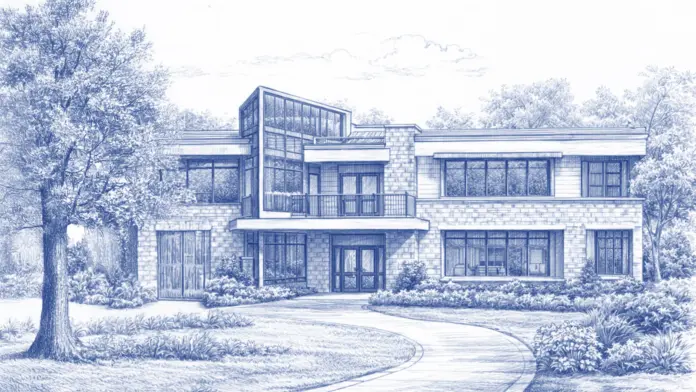
McNabb Center Anderson County is a nonprofit behavioral health provider offering outpatient mental health and addiction treatment services in Oak Ridge, Tennessee. The center delivers a range of evidence based therapies including cognitive behavioral therapy, dialectical behavior therapy, motivational interviewing and medication assisted treatment for substance use disorders.
As part of the Helen Ross McNabb Center network, this location provides integrated care that focuses on the whole person and supports individuals and families on the path toward lasting recovery.
Integrated Dual Diagnosis Treatment in East Tennessee
McNabb Center Anderson County specializes in supporting individuals with co occurring mental health and substance use disorders. The facility brings together psychiatric services, medication management and behavioral therapies in one setting to address interconnected conditions at the same time.
Treatment includes individual counseling, group sessions and family therapy tailored to each person’s needs. The clinical team uses trauma informed practices along with relapse prevention strategies to help clients strengthen coping skills and work toward stable long term recovery. Many clients note that finding the right counselor plays an important role in achieving positive treatment outcomes.
Comprehensive Recovery Support Services
In addition to clinical care, the center provides extensive recovery support services such as housing assistance, employment counseling and recovery coaching. Clients also receive naloxone education, overdose prevention training, discharge planning and outcome follow up to promote continuity of care after treatment is completed.
As a CARF accredited organization founded in 1948, the McNabb Center network brings decades of regional behavioral health experience. The center accepts private insurance, Medicare, Medicaid, TRICARE and state funded plans. Financial assistance is available for individuals who qualify.
Latest Reviews
They have been amazing with my grandson
Only place that I've been to that doesn't judge me about only my past and even help those who don't have insurance and the main reason for their addiction in the first plac an and or even let their patients have there own opinion and or listen to advise on their diagnosis instead of not letting u decide and or care what u think u know about the very meds they r giving u and that hasn't ever happened to me so great and caring workers that also understand and know me by getting to know me in person not just what is wrote on files in the past and only that. They really try hard to help and or offered make home visits w no vehicle I had at one point so the best Drs yet in my opinion😍
Response from the owner1 week ago
Thank you for your review Brian!
My grandson is fixing to go to the one in Oak Ridge. He’s been using the one in Knoxville. I don’t know about Oakridge, but Knoxville has been amazing.
Response from the owner1 week ago
Thanks for your review Gail! 
Rehab Score
 Our Methodology
Scoring is assigned by a proprietary system which helps surface key metrics that determine quality. The 10-point scale factors in categories such as operations, customer satisfaction, and trust metrics. Read Full Methodology

6.9 / 10
Location
Accepted Insurance
Other Forms of Payment
Private insurance refers to any kind of healthcare coverage that isn't from the state or federal government. This includes individual and family plans offered by an employer or purchased from the Insurance Marketplace. Every plan will have different requirements and out of pocket costs so be sure to get the full details before you start treatment.
Self-pay involves paying for treatment out of your own pocket. You can use savings or credit, get a personal loan, or receive help from family and friends to fund your treatment. If you don't have insurance or your insurance plan doesn't cover a specific program, self-pay can help ensure you still get the care you need.
Financial aid can take many forms. Centers may have grants or scholarships available to clients who meet eligibility requirements. Programs that receive SAMHSA grants may have financial aid available for those who need treatment as well. Grants and scholarships can help you pai for treatment without having to repay.
Medicare is a federal program that provides health insurance for those 65 and older. It also serves people under 65 with chronic and disabling health challenges. To use Medicare for addiction treatment you need to find a program that accepts Medicare and is in network with your plan. Out of pocket costs and preauthorization requirements vary, so always check with your provider.
Military members, veterans, and eligible dependents have access to specific insurance programs that help them get the care they need. TRICARE and VA insurance can help you access low cost or no cost addiction and mental health treatment. Programs that accept military insurance often have targeted treatment focused on the unique challenges military members, veterans, and their families face.
Medicaid is a state based program that helps lower-income individuals and families pay for healthcare. Medicaid covers addiction treatment so those enrolled can use their coverage to pay for rehab. When a program accepts Medicaid the client often pays very little or nothing out of their own pocket.
Addiction Treatments
Levels of Care
The Helen Ross McNabb Center provides outpatient mental health services at clinics located throughout East Tennessee. Outpatient mental health services are provided to children and adults who have a significant impairment in functioning related to a mental health diagnosis. Services include psychosocial assessments, therapy, medication services, and case management. The goal is to improve the client's overall functioning and to help identify any barriers that compromise the client's emotional stability.
Intervention services helps family or friends of addicts stage an intervention, which is a meeting in which loved ones share their concerns and attempt to get an addict into treatment. Professional intervention specialists can help loved ones organize, gather, and communicate with an addict. They can guide intervention participants in describing the damage the addict's behavior is causing and that outside help is necessary to address the addiction. The ideal outcome of an intervention is for the addict to go to rehab and get the help they need.
Inpatient rehabs are designed principally for clients who require intensive supervision and support, including clients who have just completed detox, clients in early recovery, and clients at an elevated risk of relapse. Inpatient treatment helps clients stabilize following detox and prepares them to step-down into outpatient and/or community-based care. Clients reside at the facility for the duration of their program and engage in extensive addiction counseling and education. Many programs also offer evidence-based complementary therapies.
To keep you safe and comfortable during the detoxification process, a medically assisted detox provides you with a team of medical professionals who can provide the necessary medications to treat any potential withdrawal symptoms. Suddenly stopping chronic abuse of substances like alcohol, benzodiazepines, or opioids can have uncomfortable and even dangerous side effects.
Clients in intensive outpatient programs (IOP) receive robust, personalized care to support their reintegration into their community. Clients stepping down from inpatient treatment frequently enroll in IOP before entering standard outpatient care or community-based recovery programs, such as AA. Intensive outpatient treatment generally involves between nine and 20 therapeutic hours weekly, with the frequency and duration of sessions decreasing as clients stabilize. IOP services commonly include counseling, recovery education, holistic therapies, and medication assisted treatment (MAT).
Treatments
Many of those suffering from addiction also suffer from mental or emotional illnesses like schizophrenia, bipolar disorder, depression, or anxiety disorders. Rehab and other substance abuse facilities treating those with a dual diagnosis or co-occurring disorder administer psychiatric treatment to address the person's mental health issue in addition to drug and alcohol rehabilitation.
Mental health rehabs focus on helping individuals recover from mental illnesses like bipolar disorder, clinical depression, anxiety disorders, schizophrenia, and more. Mental health professionals at these facilities are trained to understand and treat mental health issues, both in individual and group settings.
Alcohol use disorder (AUD) is a treatable condition characterized by uncontrolled consumption of alcohol which continues despite negative consequences. Treatment options for alcohol addiction include inpatient or outpatient alcohol rehab in Tennessee. Therapeutic methods include group and individual therapy, medication, and holistic therapies. Aftercare is often provided through 12-step support groups, which offer ongoing accountability and encouragement.
When your day-to-day life is taken over by drug use, this is known as substance use disorder. If you abruptly stop using your drug of choice, you experience withdrawal symptoms. To overcome this cycle, professional drug rehab in Tennessee is usually needed.
 Opioid Addiction
Substance abuse treatment in Tennessee is available in addiction treatment centers, where experienced addiction professionals can treat both substance use disorders. Typically, clinicians use a range of evidence-based therapies such as a biopsychosocial assessment, cognitive-behavioral therapy, and motivational interviewing to get a complete picture of your mental health, support systems, and motivation to change. Through an individualized treatment plan, you'll receive the support you need to achieve long-term sobriety through new skills and relapse prevention strategies.
Programs
Adult rehab programs include therapies tailored to each client's specific needs, goals, and recovery progress. They are tailored to the specific challenges adult clients may face, including family and work pressures and commitments. From inpatient and residential treatment to various levels of outpatient services, there are many options available. Some facilities also help adults work through co-occurring conditions, like anxiety, that can accompany addiction.
Young adulthood can be an exciting, yet difficult, time of transition. Individuals in their late teens to mid-20s face unique stressors related to school, jobs, families, and social circles, which can lead to a rise in substance use. Rehab centers with dedicated young adult programs will include activities and amenities that cater to this age group, with an emphasis on specialized counseling, peer socialization, and ongoing aftercare.
Teen programs are designed to address the unique pressures teens face, pressures that can drive them to experiment with dangerous, addictive substances. They need programs that meet them exactly where they are and give them tools for long-term recovery. Therapy can help teenagers understand and work through underlying issues so they can reclaim the life ahead of them.
Rehabs for women provide a safe, nurturing space for female clients to heal. These treatment programs consider the specific obstacles that women can face during recovery and place a special emphasis on mental, social, physical, and reproductive health. They explore how each woman's experience has shaped the trajectory of their substance use, addressing issues such as sexual abuse and past trauma.
Clinical Services
Typical cognitive behavioral therapy in Tennessee involves recognizing negative thinking and learning techniques to change that thinking and create new, positive behaviors. Strategies may include SMART goals, journaling, and situation exposure.
In Tennessee, group therapy sessions for drug and alcohol addiction typically involve skill development to help you learn communication techniques and relapse prevention strategies. These strategies support your transition into the community and help you maintain long term sobriety.
Therapy services are an integral part of the integrated services provided by the Center's outpatient clinics. Clients are identified for therapy services after a psychosocial assessment is conducted at an intake appointment or at any other time during their treatment process. Therapy clients demonstrate a need to work out their life problems in a one-on-one relationship with a helping professional. Each therapy session is tailored to the needs of each client.
If you participate in motivational interviewing in Tennessee, your therapist will focus on four key strategies: open questions, affirmation, reflections, and summarizing. Rather than confront or warn you to change, the clinician will allow you to explore your own motivations and decide what changes you may need to make in your life.
Trauma therapy addresses traumatic incidents from a client's past that are likely affecting their present-day experience. Trauma is often one of the primary triggers and potential causes of addiction, and can stem from child sexual abuse, domestic violence, having a parent with a mental illness, losing one or both parents at a young age, teenage or adult sexual assault, or any number of other factors. The purpose of trauma therapy is to allow a patient to process trauma and move through and past it, with the help of trained and compassionate mental health professionals.
Research clearly demonstrates that recovery is far more successful and sustainable when loved ones like family members participate in rehab and substance abuse treatment. Genetic factors may be at play when it comes to drug and alcohol addiction, as well as mental health issues. Family dynamics often play a critical role in addiction triggers, and if properly educated, family members can be a strong source of support when it comes to rehabilitation.
Life skills trainings involve all the skills a person must have in order to function successfully in the world. These include time management, career guidance, money management, and effective communication. Truly successful addiction recovery is based on the ability to not only live substance-free, but to thrive. Life skills teaches the practical necessities of functioning in society, which sets clients up for success in life, and therefore sobriety.
Counseling in Tennessee that takes a dialectical behavior therapy approach can last from six to 12 months. During that time, you'll develop skills in the areas of distress tolerance, mindfulness, emotional regulation, and interpersonal effectiveness.
Amenities
-
 Wifi
Wifi -
 Private Rooms
 -
 Residential Setting
Staff & Accreditations
Staff
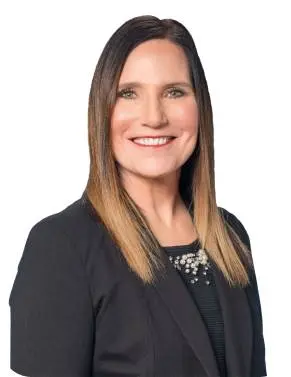
Mona Blanton-Kitts
President & CEO
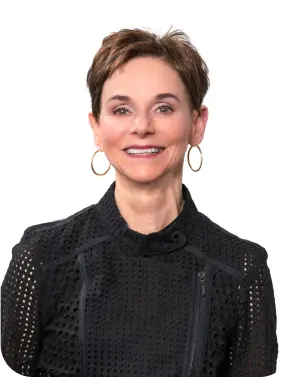
Candace Allen
Clinical VP

Jill Barnes
VP of Human Resources

Mary Katsikas
Executive VP
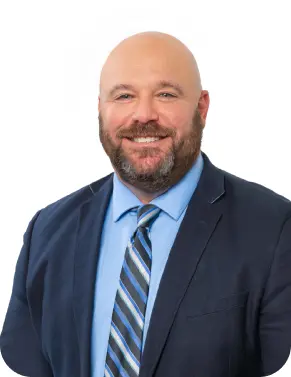
Jason Lay
CFO & VP
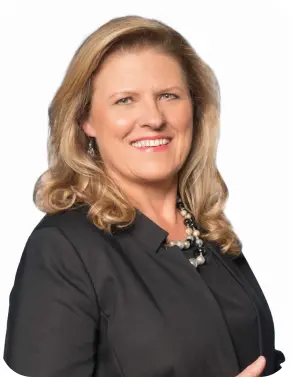
Dr. Dovile Paulauskas
Chief Medical Officer
Accreditations

The Commission on Accreditation of Rehabilitation Facilities (CARF) is a non-profit organization that specifically accredits rehab organizations. Founded in 1966, CARF's, mission is to help service providers like rehab facilities maintain high standards of care.
CARF Accreditation: Yes
Rehab.com regularly reviews this listing for accuracy but changes may occur between updates. For the most up-to-date information, please contact McNabb Center — Anderson County.
Contact Information

100 Adams Ln
Oak Ridge, TN 37830
Get Help Now - 865-855-6975
Sponsored Helpline
Sponsored Helpline



