





























































































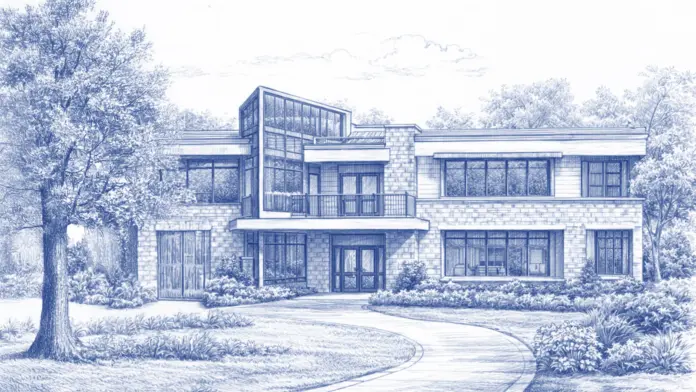
About Highland Springs Specialty Clinic
Highland Springs Specialty Clinic is a behavioral health provider offering outpatient addiction and mental health treatment in Riverton, Utah.
The clinic treats substance use disorder, behavioral addictions, trauma, PTSD, anxiety, depression, postpartum concerns and relationship issues for children, teens, adults, couples and families.
Highland Springs delivers compassionate, individualized care in a supportive and confidential setting meeting clients where they are on the path to recovery.
Outpatient Addiction Treatment
Addiction recovery sits at the heart of the Riverton clinic’s work with flexible substance use disorder treatment tailored to each client.
Clinicians personalize substance use counseling based on factors like age, gender and co-occurring conditions, offering various formats alongside medication management.
Treatment draws on approaches including CBT, DBT, EMDR, mindfulness and EEG biofeedback.
Sessions help clients understand the roots of addiction, build lasting coping skills and address the mood, trauma or anxiety concerns that often accompany recovery.
Behavioral Addiction and Postpartum Support
Beyond drug and alcohol treatment Highland Springs stands out by addressing behavioral addictions such as gambling, pornography, technology and work addiction.
The Riverton team also highlights postpartum depression and anxiety care giving new mothers and families a dedicated space for healing.
Latest Reviews



Rehab Score
 Our Methodology


Location
Other Forms of Payment
Private insurance refers to any kind of healthcare coverage that isn't from the state or federal government. This includes individual and family plans offered by an employer or purchased from the Insurance Marketplace. Every plan will have different requirements and out of pocket costs so be sure to get the full details before you start treatment.
Self-pay involves paying for treatment out of your own pocket. You can use savings or credit, get a personal loan, or receive help from family and friends to fund your treatment. If you don't have insurance or your insurance plan doesn't cover a specific program, self-pay can help ensure you still get the care you need.
Addiction Treatments
Levels of Care
Outpatient rehab programs enable clients to integrate addiction treatment with their routine work and home life. Many facilities offer virtual services and evening, night, and weekend sessions to accommodate clients' schedules. Outpatient care typically includes rigorous psychotherapy, including group and family counseling. Most programs also prioritize addiction education and recovery-focused life skills training. Medication assisted treatment (MAT) is common for clients with alcohol and/or opioid dependency.
Treatments
Professional addiction treatment at an alcohol rehab in Utah can help people struggling with alcohol use disorder. This disorder occurs when someone becomes psychologically or physically dependent on alcohol. During treatment, individuals undergo detox to safely withdraw from alcohol. Then, they participate in a customized treatment plan that uses behavioral therapies and support systems to help them move forward in recovery.
When you enter a drug rehab in Utah, the process usually involves four stages: treatment initiation, early abstinence, maintaining abstinence, and advanced recovery. Treatment methods can rely on medications, counseling, or both, in either an outpatient or inpatient setting.
 Opioid Addiction
In Utah, individuals looking for substance abuse treatment can find several inpatient and outpatient treatment programs. Typically, you can expect the program to include evidence-based therapies such as cognitive-behavioral therapy (CBT), dialectical behavior therapy (DBT), psychoeducation, skills development groups, and experiential therapies, like equine therapy, and adventure therapy. By receiving expert addiction treatment and learning new coping strategies, you'll drastically improve your mental health and the ability to achieve long-term sobriety.
Programs
The postpartum period is a sensitive time, especially for women in addiction recovery. Rehabs with specialized programs for new mothers will offer compassionate, personalized care to meet each client's needs as they transition from pregnancy to this season of life. Care teams may include obstetricians, pediatricians, and social workers working collaboratively to give women, children, and families a healthy future.
Clinical Services
Therapists may use cognitive behavioral therapy (CBT) in Utah to address substance use and mental health disorders. The main focus is to change thinking patterns, which leads to behavioral change. Subtypes of CBT include exposure therapy, dialectical behavior therapy, and acceptance commitment therapy.
During dialectical behavior therapy in Utah, you'll work on developing four main skills. Interpersonal effectiveness helps you manage your relationships. Mindfulness keeps you present in the current moment rather than worry or regret. Distress tolerance helps you accept emotions. Emotional regulation gives you the tools you need to successfully manage intense emotions.
 Eye Movement Desensitization And Reprocessing
Accreditations

The Commission on Accreditation of Rehabilitation Facilities (CARF) is a non-profit organization that specifically accredits rehab organizations. Founded in 1966, CARF's, mission is to help service providers like rehab facilities maintain high standards of care.
CARF Accreditation: Yes
Rehab.com regularly reviews this listing for accuracy but changes may occur between updates. For the most up-to-date information, please contact Highland Springs Specialty Clinic.
Contact Information


12427 Pasture Rd Suite 101, Riverton, UT 84096
Sponsored Helpline

