





























































































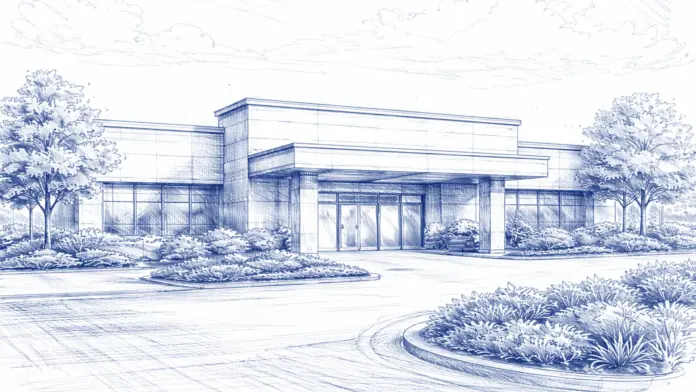
About Hope Homes Recovery Services
Hope Homes Recovery Services is a recovery residence in Smyrna, Georgia serving adults and LGBTQ+ clients in a structured residential setting. Life skills coaching structure is delivered by professional counselors who live onsite. Sober transportation is available even after discharge.
Sober Transportation and Onsite Life Skills Counselors
The program offers 24 hour onsite support with medication management using a 12 Step oriented model. Life skills counselors live onsite and are available around the clock. This arrangement puts coaching into the ordinary hours of daily living instead of limiting skills work to scheduled group sessions.
Life skills curriculum covers time management and career guidance as well as financial management and communication. Sober transportation and family support are nonresidential services that follow discharge which makes the transition out of structured living less difficult.
This daily practice with follow through structure bridges the gap between leaving a program and holding onto independent routines.
LGBTQ+ Affirming Recovery at Hope Homes
Hope Homes offers an LGBTQ+ affirming track outside of general population programs. It includes LGBTQ specific life skills development. Group support allows identity to be treated as part of the recovery skills work and not just acknowledged.
Latest Reviews



Rehab Score
 Our Methodology


Location
Other Forms of Payment
 Monthly
Self-pay involves paying for treatment out of your own pocket. You can use savings or credit, get a personal loan, or receive help from family and friends to fund your treatment. If you don't have insurance or your insurance plan doesn't cover a specific program, self-pay can help ensure you still get the care you need.
Addiction Treatments
Levels of Care
The residential component of Hope Homes offers a safe, healthy environment where collaborative community networking is emphasized. The most valuable aspect of the Hope Homes program is a their professional life skill counselors and the services they provide to residents.
12-step programs are addiction recovery models based on Alcoholics Anonymous (AA). A number of substance abuse programs (including some drug and alcohol rehab centers) use the 12 steps as a basis for treatment. Beginning steps involve admitting powerlessness over the addiction and creating a spiritual basis for recovery. Middle steps including making direct amends to those who've been hurt by the addiction, and the final step is to assist others in addiction recovery in the same way. 12-Step offshoots including Narcotics Anonymous (NA), Cocaine Anonymous (CA), Dual Recovery Anonymous (DRA), Sex and Love Addicts Anonymous (SLAA) and Gamblers Anonymous (GA).
Sober Living Houses (SLHs), aka sober homes or halfway houses, are safe, substance-free, supportive living facilities for those recovering from substance abuse. Ideal for those who've just been through inpatient or outpatient treatment, SLHs are supervised environments with rules that support sobriety, such as curfews, shared chores, and therapeutic meetings. Residents are also often trained on life skills and coping skills to make it easier to transition into society. SLHs also provide a strong sense of community that can lead to the kind of deep and lasting connections with other sober individuals that supports a new, healthy lifestyle.
Completing a drug or alcohol rehab program shouldn't spell the end of substance abuse treatment. Aftercare involves making a sustainable plan for recovery, including ongoing support. This can include sober living arrangements like halfway houses, career counseling, and setting a patient up with community programs like Alcoholics Anonymous (AA) or Narcotics Anonymous (NA).
Outpatient Programs (OP) are for those seeking mental rehab or drug rehab, but who also stay at home every night. The main difference between outpatient treatment (OP) and intensive outpatient treatment (IOP) lies in the amount of hours the patient spends at the facility. Most of the time an outpatient program is designed for someone who has completed an inpatient stay and is looking to continue their growth in recovery. Outpatient is not meant to be the starting point, it is commonly referred to as aftercare.
Treatments
The goal of treatment for alcoholism is abstinence. Those with poor social support, poor motivation, or psychiatric disorders tend to relapse within a few years of treatment. For these people, success is measured by longer periods of abstinence, reduced use of alcohol, better health, and improved social functioning. Recovery and Maintenance are usually based on 12 step programs and AA meetings.
A quality drug rehab in Georgia can help you overcome addiction. This environment is designed to help you address the complex issues contributing to drug dependence. The goal of treatment is to give you the tools you need to make a full recovery.
Many of those suffering from addiction also suffer from mental or emotional illnesses like schizophrenia, bipolar disorder, depression, or anxiety disorders. Rehab and other substance abuse facilities treating those with a dual diagnosis or co-occurring disorder administer psychiatric treatment to address the person's mental health issue in addition to drug and alcohol rehabilitation.
A combined mental health and substance abuse rehab has the staff and resources available to handle individuals with both mental health and substance abuse issues. It can be challenging to determine where a specific symptom stems from (a mental health issue or an issue related to substance abuse), so mental health and substance abuse professionals are helpful in detangling symptoms and keeping treatment on track.
Opioid rehabs specialize in supporting those recovering from opioid addiction. They treat those suffering from addiction to illegal opioids like heroin, as well as prescription drugs like oxycodone. These centers typically combine both physical as well as mental and emotional support to help stop addiction. Physical support often includes medical detox and subsequent medical support (including medication), and mental support includes in-depth therapy to address the underlying causes of addiction.
Programs
Adult rehab programs include therapies tailored to each client's specific needs, goals, and recovery progress. They are tailored to the specific challenges adult clients may face, including family and work pressures and commitments. From inpatient and residential treatment to various levels of outpatient services, there are many options available. Some facilities also help adults work through co-occurring conditions, like anxiety, that can accompany addiction.
The LGBTQ track helps the individual traverse the many obstacles he or she might encounter during early recovery. It is an innovative, identity-affirming program in which residents are supported on their individual walk towards recovery and wholeness of being. The basis for this program is LGBTQ Affirming Support, which is active promotion of self-acceptance and wholeness of being. Residents are provided with life skill development, individual, and group supports that are LGBTQ specific.
Young adulthood can be an exciting, yet difficult, time of transition. Individuals in their late teens to mid-20s face unique stressors related to school, jobs, families, and social circles, which can lead to a rise in substance use. Rehab centers with dedicated young adult programs will include activities and amenities that cater to this age group, with an emphasis on specialized counseling, peer socialization, and ongoing aftercare.
Clinical Services
Eating disorders include anorexia, bulimia, binge eating, and dysfunctional eating patterns. Many psychologists and other mental health professionals consider eating disorders to be food addictions, meaning food is being used in an addictive way (similar to drug or alcohol addiction). Certain substance abuse treatment programs will have treatment for eating disorders as one of the services offered. An eating disorder may also present as a co-occuring disorder or dual diagnosis alongside drug and alcohol addiction.
Experiential therapy is a form of therapy in which clients are encouraged to surface and work through subconscious issues by engaging in real-time experiences. Experiential therapy departs from traditional talk therapy by involving the body, and having clients engage in activities, movements, and physical and emotional expression. This can involve role-play or using props (which can include other people). Experiential therapy can help people process trauma, memories, and emotion quickly, deeply, and in a lasting fashion, leading to substantial and impactful healing.
Research clearly demonstrates that recovery is far more successful and sustainable when loved ones like family members participate in rehab and substance abuse treatment. Genetic factors may be at play when it comes to drug and alcohol addiction, as well as mental health issues. Family dynamics often play a critical role in addiction triggers, and if properly educated, family members can be a strong source of support when it comes to rehabilitation.
Life skills trainings involve all the skills a person must have in order to function successfully in the world. These include time management, career guidance, money management, and effective communication. Truly successful addiction recovery is based on the ability to not only live substance-free, but to thrive. Life skills teaches the practical necessities of functioning in society, which sets clients up for success in life, and therefore sobriety. This program allows residents a great deal of autonomy but still provides them with many Hope Homes support services. It is the perfect way to transition from life in a recovery residence to living on one’s own.
In individual therapy, a patient meets one-on-one with a trained psychologist or counselor. Therapy is a pivotal part of effective substance abuse treatment, as it often covers root causes of addiction, including challenges faced by the patient in their social, family, and work/school life.
Professional life skill counselors live on-site and are available to residents 24 hours a day/7 days a week. Each resident is assigned a primary counselor with whom he or she develops a partnership based on trust. The counselor-resident relationship is essential to the Hope Homes model. Through this relationship, residents learn structure, accountability, and skills necessary for a life in recovery. Counselors collaborate with the referral sources and collateral contacts of each resident to ensure continuity and efficacy of care.
Nutrition therapy, aka medical nutrition therapy (MNT), is a way of treating physical, emotional, and medical conditions through diet. Specific dietary plans are designed by professional nutritionists or registered dietitians, and patients follow them in order to positively affect their physical and mental health.
Amenities
-
 Residential Setting
 -
 Wifi
Wifi -
 Private Rooms
Rehab.com regularly reviews this listing for accuracy but changes may occur between updates. For the most up-to-date information, please contact Hope Homes Recovery Services.
Contact Information


1741 Spring street
Smyrna, GA 30080
Sponsored Helpline


