





























































































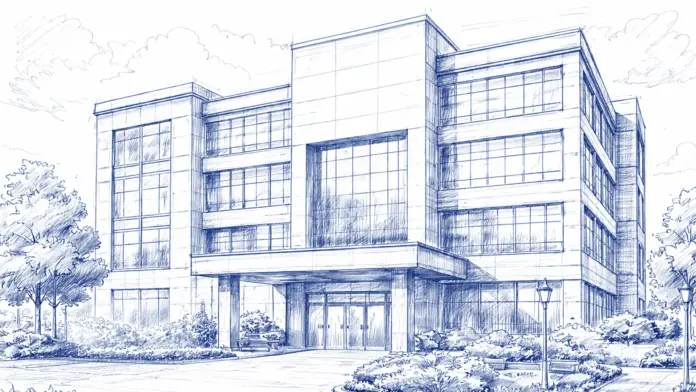
About Impulse Treatment Center
Impulse Treatment Center is an addiction treatment provider in Walnut Creek, CA offering outpatient care for substance use disorders.
The center treats alcohol, opioid and other drug addictions using cognitive behavioral therapy, dialectical behavior therapy and trauma informed care while addressing co-occurring conditions like depression, anxiety and PTSD.
Impulse Treatment Center provides personalized, supportive care designed to meet each client where they are on their recovery journey.
Outpatient Addiction Treatment
Impulse Treatment Center specializes in intensive outpatient programs and standard outpatient services for individuals struggling with substance use disorders.
Care plans are personalized with varying levels of treatment intensity to fit each person’s needs, including support for both illicit and prescription drug addiction.
Sessions draw on evidence based approaches like cognitive behavioral therapy and dialectical behavior therapy, alongside holistic practices such as mindfulness and meditation.
This combination helps clients build coping skills while addressing the underlying issues driving addiction.
Family Focused Recovery
Beyond individual therapy, Impulse Treatment Center offers specialized groups for men and women, partners, couples and families.
Group and family counseling create space for connection and accountability, helping loved ones heal together and strengthen the support network essential to lasting recovery.
Getting Connected
Impulse Treatment Center serves clients in Walnut Creek and the surrounding area through both in person and telehealth services from its office on Camino Diablo.
The center accepts self pay with flexible payment plans and works with most major insurance providers, offering insurance verification to determine coverage.

Rehab Score
 Our Methodology


Location
Other Forms of Payment
Self-pay involves paying for treatment out of your own pocket. You can use savings or credit, get a personal loan, or receive help from family and friends to fund your treatment. If you don't have insurance or your insurance plan doesn't cover a specific program, self-pay can help ensure you still get the care you need.
Addiction Treatments
Levels of Care
Intensive outpatient programs (IOP) support a client's sustained sobriety as they exit detox or step down from an inpatient program. IOPs are also designed for clients who are at an elevated risk of relapse. Intensive outpatient treatment typically requires clients to engage in a minimum of nine hours of therapy per week, but clients may receive up to 20 therapeutic hours weekly. IOP treatment modalities often combine psychotherapy, recovery-focused life skills training, and medication assisted treatment (MAT).
Clients receiving treatment at an outpatient rehab typically do not require hospitalization or intensive supervision and support. Outpatient addiction counseling and recovery education are often offered during the morning, evening, night, and weekend, allowing clients to tailor treatment to their own schedule. Partial hospitalization (PHP) and intensive outpatient (IOP) programs are the most time-intensive and are designed for clients who are at an increased relapse risk and/or who need more robust therapeutic support.
Using telehealth options in California allows you to share health information with your provider via phone call, video chat, or healthcare apps. You can meet with them virtually as well as submit health information online so they can track your progress without having to meet with them in person.
Treatments
Alcoholism, or alcohol use disorder (AUD), is defined by alcohol dependence. This is a state the body reaches when it experiences withdrawal symptoms in the absence of alcohol. A person who has AUD craves alcohol and continues to drink despite adverse consequences. Because withdrawing from alcohol can pose health risks, individuals with AUD should seek professional alcohol rehab in California to overcome their alcohol addiction. This process typically involves medical detox, rehabilitation, and maintenance.
 Opioid Addiction
Drug rehab in California teaches participants constructive ways to stay clean and sober. Treatment revolves around helping individuals stop using the substance they are addicted to and learn healthy habits to avoid relapse.
In California, substance abuse treatment programs can help individuals with any type of substance use disorders and co-occurring conditions. These rehab programs typically encompass various levels of care, including medically assisted detox, intensive outpatient, outpatient, residential rehab, and partial hospitalization. You can expect clinicians to utilize evidence-based therapies like cognitive behavioral therapy (CBT), dialectical behavioral therapy (DBT), and mindfulness to help you achieve and sustain your recovery. The rehab's clinical team can provide a comprehensive assessment to determine the appropriate level of care and medical support you may need.
Inpatient treatment for drug and alcohol addiction with a focus on mental health is a good fit for people who need closer monitoring and care. Treatment may occur in a hospital setting, a clinic, or a luxury rehab center. Mental health counselors and staff are available 24/7. Therapies typically include group and individual counseling, relapse prevention education, and emotional coping skills training.
In California, dual-diagnosis addiction treatment programs offer comprehensive care for individuals with co-occurring mental health and substance use disorders. Programs include medically assisted detox, intensive outpatient, outpatient, residential rehab, and partial hospitalization. Using an evidence-based approach, clinicians utilize therapies like cognitive behavioral therapy, or dialectical behavioral therapy and mindfulness to address substance use disorders and co-occurring mental health challenges. Additional services include 12-Step recovery, group therapy, family counseling, and relapse prevention to promote sustained recovery.
Clinical Services
Cognitive behavioral therapy in California is a method that therapists often use for the effective treatment of substance use disorders. It is based on the principle that substance abuse stems from unhelpful ways of thinking and patterns of behavior, which can be changed by helping the individual learn better ways of coping.
While participating in dialectical behavior therapy in California, you'll focus on four key areas of skill development: mindfulness, interpersonal effectiveness, emotion regulation, and distress tolerance. Treatment includes weekly individual and group sessions.
Trauma therapy is a structured approach used by therapists to help you heal from a past traumatic event. Your therapist works with you to identify the traumatic memory and process the information so you experience emotional healing and a sense of safety and stability.
Rehab.com regularly reviews this listing for accuracy but changes may occur between updates. For the most up-to-date information, please contact Impulse Treatment Center.
Contact Information


2940 Camino Diablo # 110, Walnut Creek, CA 94597
Sponsored Helpline


