





























































































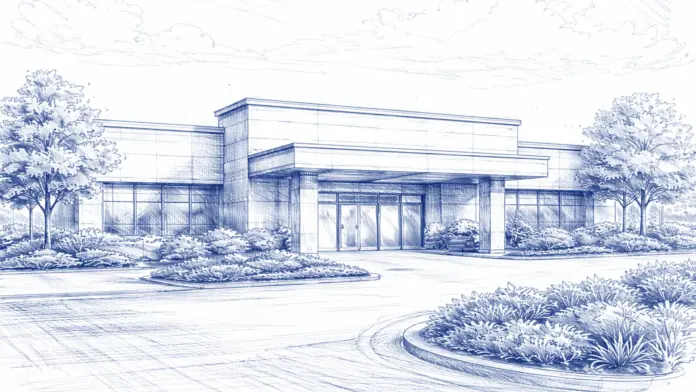
About Lilac Recovery Center
Lilac Recovery Center is a luxury addiction treatment center in Riverside, California, offering integrated care for substance use disorders and co-occurring mental health conditions. This physician owned facility provides a full continuum of services that includes medically supervised detoxification, residential care, intensive outpatient programming and ongoing aftercare support.
Using a whole person approach that addresses mind, body and spirit, Lilac Recovery Center blends evidence based clinical treatment with wellness focused services to promote long term recovery.
Addiction Treatment Programs At Lilac Recovery Center
Care often begins with medically supervised detoxification offered in both inpatient and outpatient settings. During this phase, individuals receive continuous medical support while stabilizing from withdrawal related to alcohol, opioids, stimulants, benzodiazepines or prescription medications. After detox, clients may transition into the residential program, which delivers immersive and extended treatment in a private and comfortable environment with customized care plans.
Flexible Schedules and Evidence Based Programs
For individuals who need more scheduling flexibility, intensive outpatient and standard outpatient services make it possible to continue treatment while managing work, school or family responsibilities. Programming includes evidence based therapies such as medication assisted treatment, cognitive behavioral therapy, dialectical behavior therapy and individual and group psychotherapy.
These services are combined with holistic practices such as yoga, meditation, equine assisted therapy and nutritional guidance to address co occurring conditions including depression, anxiety, post traumatic stress disorder and bipolar disorder.
They accept many PPO insurance plans, does not accept MediCal, Medicare or Medicaid, financial assistance options may be available.
Latest Reviews



Rehab Score
 Our Methodology


Location
Addiction Treatments
Programs
Adult rehab programs include therapies tailored to each client's specific needs, goals, and recovery progress. They are tailored to the specific challenges adult clients may face, including family and work pressures and commitments. From inpatient and residential treatment to various levels of outpatient services, there are many options available. Some facilities also help adults work through co-occurring conditions, like anxiety, that can accompany addiction.
Young adulthood can be an exciting, yet difficult, time of transition. Individuals in their late teens to mid-20s face unique stressors related to school, jobs, families, and social circles, which can lead to a rise in substance use. Rehab centers with dedicated young adult programs will include activities and amenities that cater to this age group, with an emphasis on specialized counseling, peer socialization, and ongoing aftercare.
Rehabs for women provide a safe, nurturing space for female clients to heal. These treatment programs consider the specific obstacles that women can face during recovery and place a special emphasis on mental, social, physical, and reproductive health. They explore how each woman's experience has shaped the trajectory of their substance use, addressing issues such as sexual abuse and past trauma.
Men face specific challenges and concerns when seeking addiction treatment. Gender-specific recovery programs help them tackle these issues head-on in an environment that's focused, targeted, and distraction-free. It also gives them the opportunity to connect with and learn from other men who have been through a similar journey and can offer support for the next step.
 Adolescence program
 Elderly program
HIV/AIDS programs support disease prevention and management in high-risk individuals in recovery. Individuals who engage in intravenous drug use and other addictive behaviors are at a higher risk of becoming infected with HIV. Rehab centers that specialize in treating this population typically have a high number of nurses, physicians, and psychiatrists on staff who can make sure both their medical and mental health needs are met.
Recovery is most successful when clients feel accepted and validated by their peers and treatment providers. Facilities that offer LGBTQ-inclusive programming are committed to creating a safe space where everyone can grow and recover without fear of judgment or discrimination. They will have dedicated policies in place to create a safe and supportive environment that fosters free expression.
 Children program
Serving in the military is both mentally and physically challenging, and can result in trauma that persists even after combat ends. Military programs are tailored to the specific and often complex needs of active duty personnel, veterans, and military families. Clients often access these programs through the U.S. Department of Veterans Affairs (VA).
Accreditations

The Substance Abuse and Mental Health Services Administration (SAMHSA) is a branch of the U.S. Department of Health and Human Services. Established in 1992 by congress, SAMHSA's mission is to reduce the impact of substance abuse and mental illness on American's communities.
SAMHSA Listed: Yes

The Commission on Accreditation of Rehabilitation Facilities (CARF) is a non-profit organization that specifically accredits rehab organizations. Founded in 1966, CARF's, mission is to help service providers like rehab facilities maintain high standards of care.
CARF Accreditation: Yes

State Licenses are permits issued by government agencies that allow rehab organizations to conduct business legally within a certain geographical area. Typically, the kind of program a rehab facility offers, along with its physical location, determines which licenses are required to operate legally.
State License: California
Rehab.com regularly reviews this listing for accuracy but changes may occur between updates. For the most up-to-date information, please contact Lilac Recovery Center.
Contact Information


11801 Pierce St, Suite 200
Riverside, CA 92505
Sponsored Helpline

