





























































































About Live Again Detox
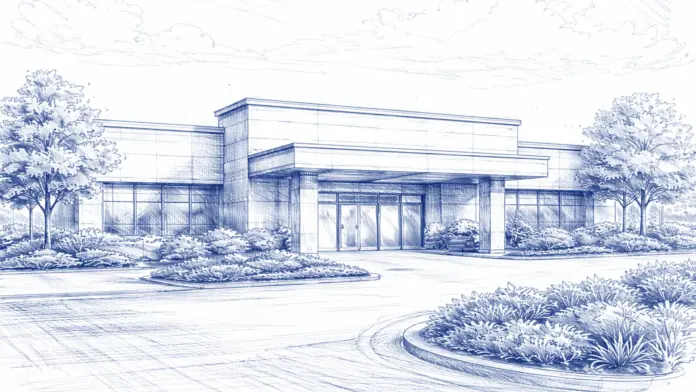
Live Again Detox is a medically supervised alcohol and drug detox center located in Nashville, Tennessee, at the heart of the city’s Music Row district. The facility provides around-the-clock clinical care for adults working through withdrawal from alcohol, opioids, benzodiazepines, stimulants, and other substances. Live Again Detox holds Joint Commission Gold Seal accreditation, LegitScript certification, and a license from the Tennessee Department of Mental Health and Substance Abuse Services.
Medical Detox and Residential Treatment
The medical detox program at Live Again Detox pairs FDA-approved medications with 24/7 professional monitoring, helping clients safely manage withdrawal symptoms. Following stabilization, clients may step into residential treatment, a partial hospitalization program (PHP), intensive outpatient (IOP), or standard outpatient care depending on their clinical needs and personal circumstances.
Treatment follows a trauma-informed approach that prioritizes safety, personal choice, and collaboration. Evidence-based therapies including cognitive behavioral therapy, dialectical behavior therapy, family therapy, and individual counseling are woven throughout each level of care at this Nashville facility.
Aftercare and Community Connections
Live Again Detox supports clients with comprehensive aftercare planning, transportation assistance, and insurance verification. The facility maintains deep ties with Nashville’s psychiatric and addiction medicine community, helping each person build a local care team before they complete the detox process. Medication-assisted treatment options are available to reduce cravings and ease withdrawal discomfort throughout stabilization.
Location and Insurance
Live Again Detox is located at 1618 17th Ave S in Nashville, Tennessee, and serves adults across Middle Tennessee. For those seeking addiction treatment in Nashville, the center accepts most major private insurance plans, TRICARE for eligible military-connected individuals, and self-pay arrangements. Confidential insurance verification is available around the clock.
Facility Overview
 5 - 7
5 - 7 Latest Reviews

We’re grateful to hear that the loving and caring nature of our community stood out during your experience. Our staff works hard to create a welcoming environment where individuals feel genuinely supported, respected, and encouraged as they take important steps toward recovery.
At Live Again Detox in Nashville, Tennessee, we’re proud to provide compassionate addiction treatment, detox in Nashville, and comprehensive drug and alcohol detox services in an environment centered on comfort, connection, and healing.
Thank you again for recognizing our supportive team, Michael. Your feedback means a great deal to all of us!
— Live Again Detox team

Helping someone take those first important steps toward a healthier future is why we do what we do. Knowing that you felt genuinely supported and cared for by our team throughout your time with us is one of the greatest compliments we could receive. Your gratitude means just as much to the people who had the privilege of being part of your journey.
At Live Again Detox in Nashville, Tennessee, we're proud to provide compassionate addiction treatment, detox in Nashville, and comprehensive drug and alcohol detox in a safe, supportive environment where individuals can begin building a strong foundation for lasting recovery.
Thank you for trusting us during such an important chapter of your life, Matthew. We wish you continued strength, growth, happiness, and lasting success as you move forward on your recovery journey.
— Live Again Detox team

---Live Again Detox team

Rehab Score
 Our Methodology


Location
Accepted Insurance
Other Forms of Payment
Private insurance refers to any kind of healthcare coverage that isn't from the state or federal government. This includes individual and family plans offered by an employer or purchased from the Insurance Marketplace. Every plan will have different requirements and out of pocket costs so be sure to get the full details before you start treatment.
Self-pay involves paying for treatment out of your own pocket. You can use savings or credit, get a personal loan, or receive help from family and friends to fund your treatment. If you don't have insurance or your insurance plan doesn't cover a specific program, self-pay can help ensure you still get the care you need.
Medicaid is a state based program that helps lower-income individuals and families pay for healthcare. Medicaid covers addiction treatment so those enrolled can use their coverage to pay for rehab. When a program accepts Medicaid the client often pays very little or nothing out of their own pocket.
Medicare is a federal program that provides health insurance for those 65 and older. It also serves people under 65 with chronic and disabling health challenges. To use Medicare for addiction treatment you need to find a program that accepts Medicare and is in network with your plan. Out of pocket costs and preauthorization requirements vary, so always check with your provider.
Addiction Treatments
Levels of Care
Live Again Detox provides 24/7 medically supervised withdrawal management using FDA-approved medications administered by qualified addiction professionals, helping adults safely stabilize from alcohol, opioids, benzodiazepines, and stimulants.
Residential treatment follows detox for clients requiring continued structure and supervision, providing a secure, supportive environment as they transition from acute stabilization toward therapeutic engagement.
PHP offers intensive daily clinical programming for adults who have completed detox and need structured therapeutic support without around-the-clock residential supervision in the Nashville area.
The IOP supports step-down clients with group and individual therapy across multiple days per week, maintaining clinical structure while allowing greater flexibility than residential or PHP programming.
Standard outpatient programming provides ongoing counseling, relapse prevention support, and continuity of care for adults managing recovery responsibilities alongside work and daily life in Nashville.
Live Again Detox connects clients nearing discharge with Nashville-based psychiatrists, counselors, and addiction specialists, coordinating a local care team to support sustained recovery following the detox process.
Treatments
Medically supervised alcohol detox includes 24/7 monitoring and medication management to safely address withdrawal, followed by coordinated referrals to ongoing therapeutic care tailored to each client's needs.
The clinical team provides individualized assessment and medically supervised stabilization for adults seeking to safely withdraw from a wide range of substances in a secure, home-like Nashville setting.
Opioid detox at Live Again Detox incorporates FDA-approved medications to manage withdrawal symptoms and cravings, with clinical monitoring throughout stabilization and structured referrals for ongoing recovery support.
A compassionate, experienced team addresses substance use disorders through medically supervised detox, trauma-informed care, and evidence-based therapies integrated into a personalized treatment approach on Nashville's Music Row.
Clinical care addresses both substance use and co-occurring mental health conditions simultaneously, with psychiatric support available and coordinated referrals to Nashville-based specialists as clients transition from detox.
Programs
Medically supervised detox and residential services are available to adults 18 and older, with individualized care plans developed through comprehensive clinical assessment during the admissions process.
Male clients receive gender-responsive clinical care within a medically supervised detox environment, with individualized treatment planning addressing the specific factors contributing to substance use.
Female clients access medically supervised detox in a supportive, trauma-informed environment, with individualized assessment and coordinated referrals for continued care following stabilization.
Clinical Services
CBT techniques are incorporated into Live Again Detox's therapeutic approach, helping clients identify thought patterns that contribute to substance use and develop practical coping tools for early recovery.
DBT skills supporting distress tolerance and emotional regulation are woven into treatment, providing clients with practical tools to manage emotional triggers encountered during and after the detox process.
Family involvement is supported through education and counseling resources, helping loved ones understand the detox process and prepare to provide meaningful support during and after treatment.
Trauma-informed care principles guide clinical interactions throughout the detox process, ensuring clients' safety and dignity are prioritized as they navigate the physical and emotional challenges of withdrawal.
One-on-one clinical sessions allow clients to address personal challenges, begin processing underlying factors contributing to substance use, and develop a plan for continued therapeutic engagement after detox.
Group sessions provide peer connection and shared accountability during residential treatment, addressing early recovery topics including coping skills, relapse prevention, and the transition to outpatient care.
Amenities
-
 Luxury Accommodations
 -
 Private Rooms
 -
 Recreation Room
Accreditations

LegitScript has reviewed Live Again Detox as part of their certification program, and has determined that it meets the LegitScript standards for legality, safety and transparency.
LegitScript verified in

The Joint Commission, formerly known as JCAHO, is a nonprofit organization that accredits rehab organizations and programs. Founded in 1951, the Joint Commision's mission is to improve the quality of patient care and demonstrating the quality of patient care.
Joint Commission Accreditation: Yes

State Licenses are permits issued by government agencies that allow rehab organizations to conduct business legally within a certain geographical area. Typically, the kind of program a rehab facility offers, along with its physical location, determines which licenses are required to operate legally.
State License: Tennessee
Rehab.com regularly reviews this listing for accuracy but changes may occur between updates. For the most up-to-date information, please contact Live Again Detox.
Contact Information


1618 17th Ave S, Nashville, TN 37212
Sponsored Helpline


