






























































































 Claimed


I brought my loved one here in moment of panic as he is dealing with severe alcohol addiction and was going through intense withdrawal. While the ER intake area can feel a bit intimidating at first due to the layout of the space, the staff were incredibly kind, quick to resp ...
About Miracles Detox at Southern California Hospital at Culver City
Miracles Detox at Southern California Hospital in Culver City, is an acute care inpatient medical detox that provides substance use treatment for adults 18 and older. Battling drug, alcohol or medication addiction? Call the 24.7 Hotline for help, at (888)-800-2768.
Safe, Hospital Setting
Miracles offers a quiet hospital environment where guests can go through the detox process safely, under the direction of board certified addiction medicine and internal medicine physicians. Certified counselors provide individual assessments, recovery groups and after care planning. The goal is to provide a painless and safe detox with clinical experts available 24/7 . The hospital environment provides onsite access to medical services including emergency room, ICU, lab, X-ray, radiology and pharmacy. Guests are in detox for three to seven days providing adequate time for stabilization and comprehensive treatment.
The treatment programs for addiction and substance use include detox, dual diagnosis, ketamine, medication-assisted detox, opiate drug detox, and pain management. During treatment, guests begin the 12 steps, where they learn to accept accountability for their past actions and current recovery journey. They interact with others who understand their unique backgrounds and sobriety challenges.
Care Coordination
The staff at Miracles not only want to stabilize clients, but they also want to ensure further treatment for recovery. Clinical experts help guest develop healthy coping skills, and learn to recognize substance use triggers to be better equipped to avoid relapse after treatment.
Aftercare is included in the program to offer further assistance with recovery and may involve continued counseling and support group meetings. The hospital is centrally located in Culver City, where guests can connect with additional community resources on their path to recovery. The hospital is affiliated with the one of the largest behavioral health networks in California with including inpatient behavioral health hospitals in Bellflower and Van Nuys, and Culver City, and outpatient IOP program at its Van Nuys facility.
Facility Overview
 18
18 Number of Available Beds
 5 - 7
5 - 7 Avg Length of Stay in Days
Latest Reviews
Lida
Reviewed on 08/08/2026
I brought my loved one here in moment of panic as he is dealing with severe alcohol addiction and was going through intense withdrawal. While the ER intake area can feel a bit intimidating at first due to the layout of the space, the staff were incredibly kind, quick to respond, and never once made us feel judged. Once moved to the inpatient building, the staff continued to be wonderfully polite, supportive, and compassionate. It was clear that they genuinely care about their patients and their well-being during such a difficult time.
Lida
Reviewed on 08/08/2026
I brought my loved one here in moment of panic as he is dealing with severe alcohol addiction and was going through intense withdrawal. While the ER intake area can feel a bit intimidating at first due to the layout of the space, the staff were incredibly kind, quick to respond, and never once made us feel judged. Once moved to the inpatient building, the staff continued to be wonderfully polite, supportive, and compassionate. It was clear that they genuinely care about their patients and their well-being during such a difficult time.
I want to sincerely thank Erica A, Nella G, Free C, and Alonzo P for the care, professionalism, and support they showed me during my detox journey. Each of them made a difficult experience feel much more manageable with their compassion, patience, and encouragement.
Erica A was incredibly attentive and understanding, always making sure I felt heard and cared for. Nella G brought such positive energy and kindness that truly helped lift my spirits. Free C was supportive, respectful, and consistently went above and beyond to make sure I was comfortable. Alonzo P showed genuine concern and professionalism every step of the way, helping create a safe and supportive environment.
Recovery is not easy, but having staff like them made a real difference in my experience. I’m deeply grateful for the care they provided and the impact they had on my healing process.
Response from the owner1 day ago
Thank you, Shawn, for your heartfelt feedback. We're thrilled to hear that Erica, Nella, Free, and Alonzo made such a positive impact on your journey. Your kind words are greatly appreciated. Sincerely, Southern California Hospital at Culver City. 
Rehab Score
 Our Methodology
Scoring is assigned by a proprietary system which helps surface key metrics that determine quality. The 10-point scale factors in categories such as operations, customer satisfaction, and trust metrics. Read Full Methodology

7 / 10
Gallery
Accepted Insurance
Other Forms of Payment
Private insurance refers to any kind of healthcare coverage that isn't from the state or federal government. This includes individual and family plans offered by an employer or purchased from the Insurance Marketplace. Every plan will have different requirements and out of pocket costs so be sure to get the full details before you start treatment.
Self-pay involves paying for treatment out of your own pocket. You can use savings or credit, get a personal loan, or receive help from family and friends to fund your treatment. If you don't have insurance or your insurance plan doesn't cover a specific program, self-pay can help ensure you still get the care you need.
Medicaid is a state based program that helps lower-income individuals and families pay for healthcare. Medicaid covers addiction treatment so those enrolled can use their coverage to pay for rehab. When a program accepts Medicaid the client often pays very little or nothing out of their own pocket.
Medicare is a federal program that provides health insurance for those 65 and older. It also serves people under 65 with chronic and disabling health challenges. To use Medicare for addiction treatment you need to find a program that accepts Medicare and is in network with your plan. Out of pocket costs and preauthorization requirements vary, so always check with your provider.
Military members, veterans, and eligible dependents have access to specific insurance programs that help them get the care they need. TRICARE and VA insurance can help you access low cost or no cost addiction and mental health treatment. Programs that accept military insurance often have targeted treatment focused on the unique challenges military members, veterans, and their families face.
Addiction Treatments
Levels of Care
When addicted, quitting your drug of choice suddenly can be dangerous. That's why experts agree a medically assisted detox is the safest way to remove addictive substances from the body. Usually done in an inpatient setting, your vitals signs and overall well being are consistently monitored and rechecked in order to keep you safe and ensure the detox is successful.
Inpatient rehab provides intensive treatment for clients exiting detox, those in early recovery, and those at an elevated risk of relapse. Unlike outpatient drug rehab, clients receiving inpatient care reside at the facility for the duration of the program. The length of stay may range from two weeks to 18 months or more, depending on the client's needs and the program's design. Inpatient treatment typically involves extensive addiction education and recovery-focused life skills training.
During the first phase of recovery – detox – it is crucial to have 24-hour clinical care in California. This care provides constant monitoring in order to ensure your safely and comfort as you progress through the withdrawal process for drug or alcohol addiction. Licensed professionals prescribe medications to treat withdrawal symptoms and provide frequent monitoring to ensure your safely as addictive toxins leave your system.
Participants engaged in 12 step programs receive intensive peer coaching (sponsorship) and community support. Spiritual development as a means of achieving psychological and emotional healing and growth is the cornerstone of 12 step recovery, but religious affiliations are not required. Meetings are free, anonymous, and open to the public, though specialized formats are available, including groups for seniors, teens, and family members. Evening, night, and day meetings are conducted year-round in most communities.
Rehab aftercare programs offer clients in addiction recovery a robust continuum of care after clients have completed active treatment. These services address recovery as a life-long process and are designed to evolve with clients' changing needs. Clients may partner with their case managers and/or addiction recovery team to identify the rehab aftercare services that are right for them. They may receive career counseling, housing assistance, peer coaching, 12 step program induction, among many other services.
Commonly known as "day treatment," a partial hospitalization program (PHP) is an intensive form of outpatient treatment where clients meet during the day and return home in the evening. PHP treatment doesn't require 24-hour care and often serves as an alternative to inpatient hospitalization or a step-down after a residential program. With PHP treatment, you can receive daily support for 6 to 8 hours which includes evidence-based therapies and medication management. The cost of PHP treatment typically varies but averages 90 days.
Treatments
Alcoholism, or alcohol use disorder (AUD), is defined by alcohol dependence. This is a state the body reaches when it experiences withdrawal symptoms in the absence of alcohol. A person who has AUD craves alcohol and continues to drink despite adverse consequences. Because withdrawing from alcohol can pose health risks, individuals with AUD should seek professional alcohol rehab in California to overcome their alcohol addiction. This process typically involves medical detox, rehabilitation, and maintenance.
Drug rehab in California teaches participants constructive ways to stay clean and sober. Treatment revolves around helping individuals stop using the substance they are addicted to and learn healthy habits to avoid relapse.
 Opioid Addiction
In California, dual-diagnosis addiction treatment programs offer comprehensive care for individuals with co-occurring mental health and substance use disorders. Programs include medically assisted detox, intensive outpatient, outpatient, residential rehab, and partial hospitalization. Using an evidence-based approach, clinicians utilize therapies like cognitive behavioral therapy, or dialectical behavioral therapy and mindfulness to address substance use disorders and co-occurring mental health challenges. Additional services include 12-Step recovery, group therapy, family counseling, and relapse prevention to promote sustained recovery.
In California, substance abuse treatment programs can help individuals with any type of substance use disorders and co-occurring conditions. These rehab programs typically encompass various levels of care, including medically assisted detox, intensive outpatient, outpatient, residential rehab, and partial hospitalization. You can expect clinicians to utilize evidence-based therapies like cognitive behavioral therapy (CBT), dialectical behavioral therapy (DBT), and mindfulness to help you achieve and sustain your recovery. The rehab's clinical team can provide a comprehensive assessment to determine the appropriate level of care and medical support you may need.
 Mental Health And Substance Abuse
Programs
Adult rehab programs include therapies tailored to each client's specific needs, goals, and recovery progress. They are tailored to the specific challenges adult clients may face, including family and work pressures and commitments. From inpatient and residential treatment to various levels of outpatient services, there are many options available. Some facilities also help adults work through co-occurring conditions, like anxiety, that can accompany addiction.
Clinical Services
Individual therapy for drug addiction includes a customized treatment plan that considers your history and life circumstances. During your therapy sessions, the therapist helps you uncover underlying issues and triggers for addictive behavior that support a holistic approach to recovery.
During group therapy, men and women learn to express their emotions openly in a non judgmental setting. This helps you process your feelings and reduces feelings of social isolation that are often associated with addiction.
Cognitive behavioral therapy in California is a method that therapists often use for the effective treatment of substance use disorders. It is based on the principle that substance abuse stems from unhelpful ways of thinking and patterns of behavior, which can be changed by helping the individual learn better ways of coping.
While in rehab treatment, you may work on developing various life skills to help you in long term recovery. These may include resilience, interpersonal skills, and self awareness. The focus will be on developing healthy habits for self care and relationships so you have the skills you need to manage day to day life.
Amenities
-
 Private Setting
Staff & Accreditations
Staff

Jonathan Reitman, MD, Board certified addiction med
Medical Director
Accreditations

The Joint Commission, formerly known as JCAHO, is a nonprofit organization that accredits rehab organizations and programs. Founded in 1951, the Joint Commision's mission is to improve the quality of patient care and demonstrating the quality of patient care.
Joint Commission Accreditation: Yes

State Licenses are permits issued by government agencies that allow rehab organizations to conduct business legally within a certain geographical area. Typically, the kind of program a rehab facility offers, along with its physical location, determines which licenses are required to operate legally.
State License: California

LegitScript has reviewed Miracles Detox at Southern California Hospital at Culver City as part of their certification program, and has determined that it meets the LegitScript standards for legality, safety and transparency.
LegitScript verified in
Rehab.com regularly reviews this listing for accuracy but changes may occur between updates. For the most up-to-date information, please contact Miracles Detox at Southern California Hospital at Culver City.
Contact Information

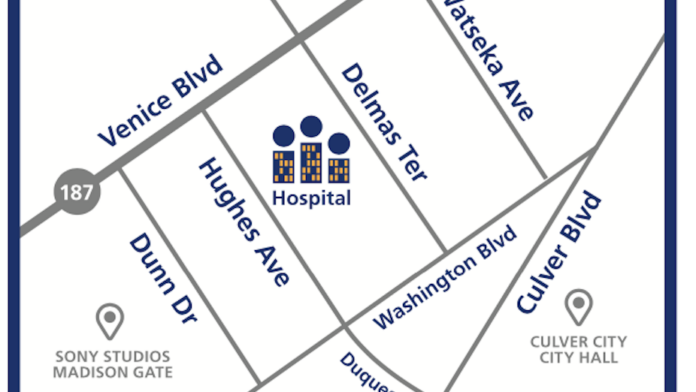
3828 Delmas Terrace Tower 6, Culver City, CA 90232
Get Help Now - 310-810-3958
Sponsored Helpline
Sponsored Helpline



