






























































































An amazing place where I finally got help after many years. It was not always easy but thanks to their help I was able to pull through.
About Pathfinder
They provide services across four phases. Phase I is a minimum of six weeks and includes working with a sponsor, continuing your treatment recommendations from the referring agency, attending offsite and onsite recovery meetings, and maintaining employment at least 35 hours per week or being a full time student.
During Phase II, you follow through with scheduled appointments, continue developing healthy relationships with your peers and staff, and attend group meetings. You must also complete six hours of documented service. Phase III lasts a minimum of 12 weeks, during which you maintain your goals, develop a plan to pay your bills, demonstrate healthy relationships with your peers and staff and develop a discharge plan.
Once you’ve completed three phases, you’re entitled to a completion certificate. Phase IV is optional and you must have completed an application as you near the end of Phase III. The Pathfinder begins charging residents after the third week of admission when they expect you will be employed.
Facility Overview
 38
38 Number of Available Beds
 $2100
$2100 Avg Cost per Day
Latest Reviews
Best place I've been to and I been to a few rehabs there were no bed bugs and we had plenty of food pathfinder furnished I touched on some heavy problems I've had most my life and overcome them people actually like and love me now. This is my message to you if you want to change this is the place to do it the councilors we're very good at their job I give it 5 stars I am alumni at pathfinder I graduated hey don't give up before the miracle happens.
I love pathfinder .. best place I have ever been too wish I never left. Everyone there treat me like family
I graduated from this program two months ago. I have a second chance at life because of Pathfinder. Pathfinder has an amazing staff as well!

Rehab Score
 Our Methodology
Scoring is assigned by a proprietary system which helps surface key metrics that determine quality. The 10-point scale factors in categories such as operations, customer satisfaction, and trust metrics. Read Full Methodology

5.7 / 10
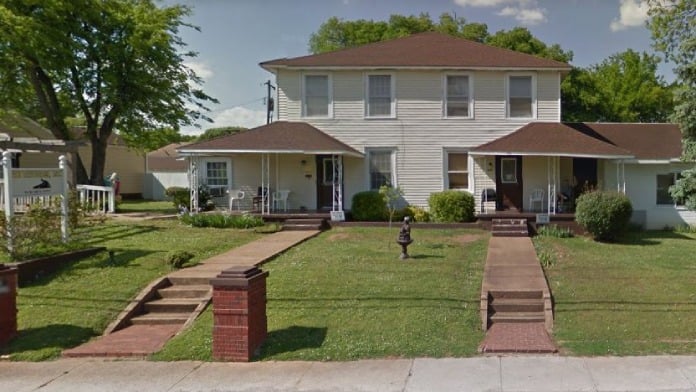
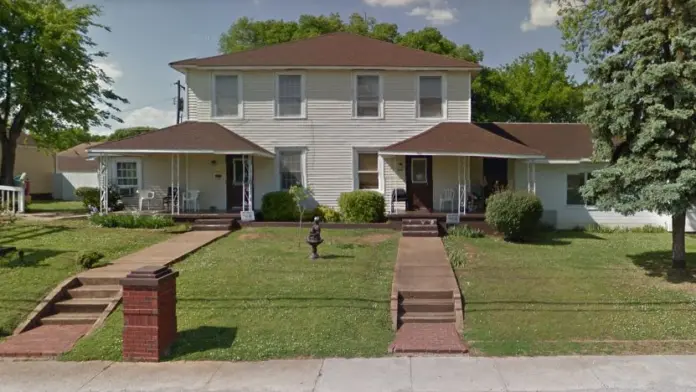
Gallery
Other Forms of Payment
Self-pay involves paying for treatment out of your own pocket. You can use savings or credit, get a personal loan, or receive help from family and friends to fund your treatment. If you don't have insurance or your insurance plan doesn't cover a specific program, self-pay can help ensure you still get the care you need.
Sliding scale payments are based on a client's income and family size. The goal is to make treatment affordable to everyone. By taking these factors into account, addiction recovery care providers help ensure that your treatment does not become a financial burden to you or your family, eliminating one barrier to care.
Addiction Treatments
Levels of Care
Outpatient rehab is designed primarily for clients who do not require intensive clinical supervision. This includes clients who are exiting detox or inpatient care. Outpatient treatment typically involves addiction counseling, recovery education, and life skills training. These programs encompass varying levels of care, including partial hospitalization (PHP), intensive outpatient (IOP), standard outpatient (OP), and sober living/halfway house programs. Each category is defined by the frequency and intensity of treatment.
Intensive Outpatient Programs (IOP) are for those who want or need a very structured treatment program but who also wish to live at home and continue with certain responsibilities (such as work or school). IOP substance abuse treatment programs vary in duration and intensity, and certain outpatient rehab centers will offer individualized treatment programs.
Rehab aftercare programs are designed to provide support to you after completing an addiction treatment program. These programs are highly customized and evolve with your changing needs. You'll partner with staff at the treatment center to identify any specific medical, behavioral, and social services needed to support your sustained sobriety. Aftercare services may include peer coaching, career counseling, and other personalized support.
12-step programs are addiction recovery models based on Alcoholics Anonymous (AA). A number of substance abuse programs (including some drug and alcohol rehab centers) use the 12 steps as a basis for treatment. Beginning steps involve admitting powerlessness over the addiction and creating a spiritual basis for recovery. Middle steps including making direct amends to those who've been hurt by the addiction, and the final step is to assist others in addiction recovery in the same way. 12-Step offshoots including Narcotics Anonymous (NA), Cocaine Anonymous (CA), Dual Recovery Anonymous (DRA), Sex and Love Addicts Anonymous (SLAA) and Gamblers Anonymous (GA).
A drug intervention in Alabama is an organized attempt to convince someone they have a substance use issue and that they need treatment. During an intervention, loved ones share their concerns about the person's substance use and encourage them to get help. A professional can provide guidance and support for this effort through intervention services, to help participants avoid missteps and increase the success of the intervention.
Medically assisted detox is often the first step of addiction treatment. At the medical detox level of care, you are weaning your body off drugs and/or alcohol under the care of licensed medical professionals who constantly monitor your health and treat any potential withdrawal symptoms, sometimes with the aid of medication (like Suboxone or Vivitrol).
Treatments
The goal of treatment for alcoholism is abstinence. Those with poor social support, poor motivation, or psychiatric disorders tend to relapse within a few years of treatment. For these people, success is measured by longer periods of abstinence, reduced use of alcohol, better health, and improved social functioning. Recovery and Maintenance are usually based on 12 step programs and AA meetings.
Drug rehab in Alabama provides medical or psychotherapeutic treatment for drug dependency. Methods of treatment often include a combination of medication, counseling, and recreational therapies.
Many of those suffering from addiction also suffer from mental or emotional illnesses like schizophrenia, bipolar disorder, depression, or anxiety disorders. Rehab and other substance abuse facilities treating those with a dual diagnosis or co-occurring disorder administer psychiatric treatment to address the person's mental health issue in addition to drug and alcohol rehabilitation.
A combined mental health and substance abuse rehab has the staff and resources available to handle individuals with both mental health and substance abuse issues. It can be challenging to determine where a specific symptom stems from (a mental health issue or an issue related to substance abuse), so mental health and substance abuse professionals are helpful in detangling symptoms and keeping treatment on track.
Opioid rehabs specialize in supporting those recovering from opioid addiction. They treat those suffering from addiction to illegal opioids like heroin, as well as prescription drugs like oxycodone. These centers typically combine both physical as well as mental and emotional support to help stop addiction. Physical support often includes medical detox and subsequent medical support (including medication), and mental support includes in-depth therapy to address the underlying causes of addiction.
Programs
Adult rehab programs include therapies tailored to each client's specific needs, goals, and recovery progress. They are tailored to the specific challenges adult clients may face, including family and work pressures and commitments. From inpatient and residential treatment to various levels of outpatient services, there are many options available. Some facilities also help adults work through co-occurring conditions, like anxiety, that can accompany addiction.
Clinical Services
Group therapy is any therapeutic work that happens in a group (not one-on-one). There are a number of different group therapy modalities, including support groups, experiential therapy, psycho-education, and more. Group therapy involves treatment as well as processing interaction between group members.
In individual therapy, a patient meets one-on-one with a trained psychologist or counselor. Therapy is a pivotal part of effective substance abuse treatment, as it often covers root causes of addiction, including challenges faced by the patient in their social, family, and work/school life.
Life skills trainings involve all the skills a person must have in order to function successfully in the world. These include time management, career guidance, money management, and effective communication. Truly successful addiction recovery is based on the ability to not only live substance-free, but to thrive. Life skills teaches the practical necessities of functioning in society, which sets clients up for success in life, and therefore sobriety.
Amenities
-
 Residential Setting
 -
 Private Rooms
Staff
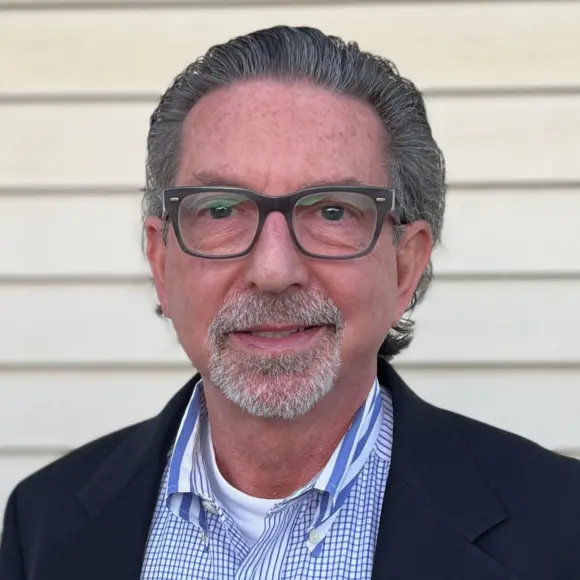
Michael L. Shipley
President
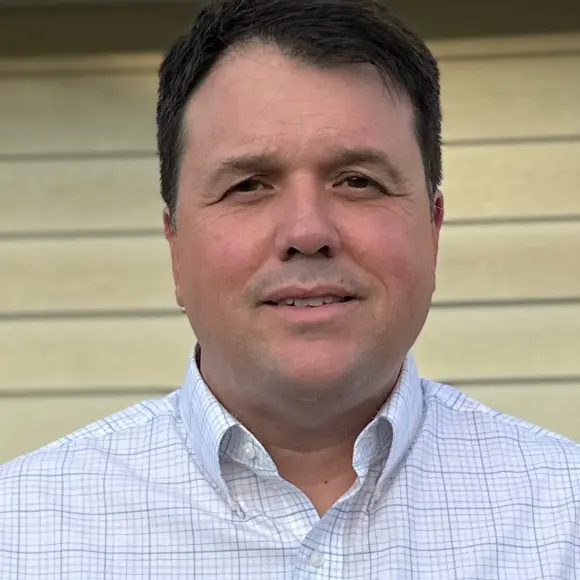
Corey Wimberly
Vice-President

Robert Patterson
Executive Director
Chuck Evans, LMSW
Program Director
Rehab.com regularly reviews this listing for accuracy but changes may occur between updates. For the most up-to-date information, please contact Pathfinder.
Contact Information

3104 SW Ivy Ave
Huntsville, AL 35805
Get Help Now - 256-434-9461
Sponsored Helpline
Sponsored Helpline


