





























































































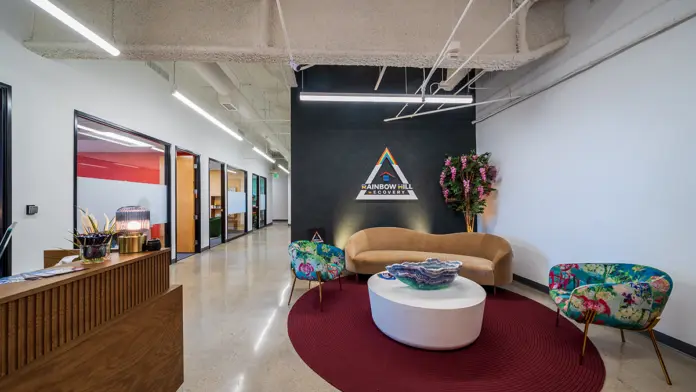
About Rainbow Hill Recovery
Rainbow Hill Recovery is an LGBTQ+-affirming addiction treatment center in Los Angeles, California, offering outpatient programs created by queer people for queer people.
The program supports adults with substance use disorders and co-occurring mental health concerns through a blend of evidence based and holistic therapies.
Clients appreciate the queer-focused group topics, skilled facilitators, and a clinical team that emphasizes acceptance, identity and individualized care.
LGBTQ+ and Queer Adult SUD Treatments with Rainbow Hill Recovery
The program specializes in serving LGBTQ+ and queer adults navigating substance use, trauma and mental health concerns.
Rainbow Hill Recovery provides a Partial Hospitalization Program (PHP), Intensive Outpatient Program (IOP) with 5-day and 3-day tracks, a standard Outpatient Program (OP) and aftercare support.
A dedicated Virtual IOP is also available, featuring live group therapy, individual sessions, psychoeducation, relapse prevention and peer connection.
Care is available for individuals, couples and groups, with affirming, trauma informed services designed around each client’s identity and recovery journey.
Affirmative Therapy in the Los Angeles Area
Clients have access to affirmative therapy, EMDR, DBT, experiential and integrative therapies, brain chemistry and relapse prevention work and TMS therapy.
Holistic offerings such as sound baths and chiropractic services round out the clinical experience.
Rainbow Hill Recovery is based in the Los Angeles metropolitan area along Wilshire Boulevard, serving clients throughout LA and surrounding communities.
Begin Your Affirming, Affordable Recovery Journey
Rainbow Hill Recovery is in-network with Blue Shield of California and accepts most out-of-network plans, including Aetna, Cigna, Optum, TRICARE, TriWest, United Healthcare, Carelon and Anthem.
Transparent flat-fee pricing is published for PHP, IOP and OP programs.
Rainbow Hill Recovery offers Los Angeles’ LGBTQ+ community a welcoming, identity-affirming path to healing from addiction and mental health challenges.
Latest Reviews



Rehab Score
 Our Methodology


Location
Addiction Treatments
Levels of Care
Clients receiving treatment at an outpatient rehab typically do not require hospitalization or intensive supervision and support. Outpatient addiction counseling and recovery education are often offered during the morning, evening, night, and weekend, allowing clients to tailor treatment to their own schedule. Partial hospitalization (PHP) and intensive outpatient (IOP) programs are the most time-intensive and are designed for clients who are at an increased relapse risk and/or who need more robust therapeutic support.
Rehab aftercare programs offer clients in addiction recovery a robust continuum of care after clients have completed active treatment. These services address recovery as a life-long process and are designed to evolve with clients' changing needs. Clients may partner with their case managers and/or addiction recovery team to identify the rehab aftercare services that are right for them. They may receive career counseling, housing assistance, peer coaching, 12 step program induction, among many other services.
Intensive outpatient programs (IOP) support a client's sustained sobriety as they exit detox or step down from an inpatient program. IOPs are also designed for clients who are at an elevated risk of relapse. Intensive outpatient treatment typically requires clients to engage in a minimum of nine hours of therapy per week, but clients may receive up to 20 therapeutic hours weekly. IOP treatment modalities often combine psychotherapy, recovery-focused life skills training, and medication assisted treatment (MAT).
Commonly known as "day treatment," a partial hospitalization program (PHP) is an intensive form of outpatient treatment where clients meet during the day and return home in the evening. PHP treatment doesn't require 24-hour care and often serves as an alternative to inpatient hospitalization or a step-down after a residential program. With PHP treatment, you can receive daily support for 6 to 8 hours which includes evidence-based therapies and medication management. The cost of PHP treatment typically varies but averages 90 days.
Treatments
Alcoholism, or alcohol use disorder (AUD), is defined by alcohol dependence. This is a state the body reaches when it experiences withdrawal symptoms in the absence of alcohol. A person who has AUD craves alcohol and continues to drink despite adverse consequences. Because withdrawing from alcohol can pose health risks, individuals with AUD should seek professional alcohol rehab in California to overcome their alcohol addiction. This process typically involves medical detox, rehabilitation, and maintenance.
 Opioid Addiction
Drug rehab in California teaches participants constructive ways to stay clean and sober. Treatment revolves around helping individuals stop using the substance they are addicted to and learn healthy habits to avoid relapse.
In California, dual-diagnosis addiction treatment programs offer comprehensive care for individuals with co-occurring mental health and substance use disorders. Programs include medically assisted detox, intensive outpatient, outpatient, residential rehab, and partial hospitalization. Using an evidence-based approach, clinicians utilize therapies like cognitive behavioral therapy, or dialectical behavioral therapy and mindfulness to address substance use disorders and co-occurring mental health challenges. Additional services include 12-Step recovery, group therapy, family counseling, and relapse prevention to promote sustained recovery.
In California, substance abuse treatment programs can help individuals with any type of substance use disorders and co-occurring conditions. These rehab programs typically encompass various levels of care, including medically assisted detox, intensive outpatient, outpatient, residential rehab, and partial hospitalization. You can expect clinicians to utilize evidence-based therapies like cognitive behavioral therapy (CBT), dialectical behavioral therapy (DBT), and mindfulness to help you achieve and sustain your recovery. The rehab's clinical team can provide a comprehensive assessment to determine the appropriate level of care and medical support you may need.
Inpatient treatment for drug and alcohol addiction with a focus on mental health is a good fit for people who need closer monitoring and care. Treatment may occur in a hospital setting, a clinic, or a luxury rehab center. Mental health counselors and staff are available 24/7. Therapies typically include group and individual counseling, relapse prevention education, and emotional coping skills training.
Programs
Adult rehab programs include therapies tailored to each client's specific needs, goals, and recovery progress. They are tailored to the specific challenges adult clients may face, including family and work pressures and commitments. From inpatient and residential treatment to various levels of outpatient services, there are many options available. Some facilities also help adults work through co-occurring conditions, like anxiety, that can accompany addiction.
HIV/AIDS programs support disease prevention and management in high-risk individuals in recovery. Individuals who engage in intravenous drug use and other addictive behaviors are at a higher risk of becoming infected with HIV. Rehab centers that specialize in treating this population typically have a high number of nurses, physicians, and psychiatrists on staff who can make sure both their medical and mental health needs are met.
Recovery is most successful when clients feel accepted and validated by their peers and treatment providers. Facilities that offer LGBTQ-inclusive programming are committed to creating a safe space where everyone can grow and recover without fear of judgment or discrimination. They will have dedicated policies in place to create a safe and supportive environment that fosters free expression.
Clinical Services
During group therapy, men and women learn to express their emotions openly in a non judgmental setting. This helps you process your feelings and reduces feelings of social isolation that are often associated with addiction.
Individual therapy for drug addiction includes a customized treatment plan that considers your history and life circumstances. During your therapy sessions, the therapist helps you uncover underlying issues and triggers for addictive behavior that support a holistic approach to recovery.
Family therapy offers a platform for members to have an open dialogue about the challenges that addiction has placed on the family unit. Through guided sessions, therapists can help families develop healthy communication skills and address unresolved issues. By working together toward a common goal, they help to support their loved one's sobriety.
Trauma therapy is a structured approach used by therapists to help you heal from a past traumatic event. Your therapist works with you to identify the traumatic memory and process the information so you experience emotional healing and a sense of safety and stability.
Cognitive behavioral therapy in California is a method that therapists often use for the effective treatment of substance use disorders. It is based on the principle that substance abuse stems from unhelpful ways of thinking and patterns of behavior, which can be changed by helping the individual learn better ways of coping.
While in rehab treatment, you may work on developing various life skills to help you in long term recovery. These may include resilience, interpersonal skills, and self awareness. The focus will be on developing healthy habits for self care and relationships so you have the skills you need to manage day to day life.
While participating in dialectical behavior therapy in California, you'll focus on four key areas of skill development: mindfulness, interpersonal effectiveness, emotion regulation, and distress tolerance. Treatment includes weekly individual and group sessions.
For clients who are struggling with ambivalence toward change, motivational interviewing in California can help strengthen their commitment to change. Using a conversational method, the therapist helps you explore your motivations and empowers you to make the changes you desire.
The goal of creative arts therapy in California is to encourage growth and transformation. It can be used in individual and group settings with both children and adults. Options include movement, music, and painting.
 Eye Movement Desensitization And Reprocessing
Amenities
-
 Private Setting
 -
 Executive Setting
 -
 Metropolitan Area
Rehab.com regularly reviews this listing for accuracy but changes may occur between updates. For the most up-to-date information, please contact Rainbow Hill Recovery.
Contact Information


6380 Wilshire Blvd
Los Angeles, CA 90048
Sponsored Helpline


