






























































































I have been admitted a couple times. I always felt safe there and received the help I needed. I am happy they could help me! I contacted them because I had nowhere else to go for help. They accommodated me and gave me the healthcare I desperately needed.
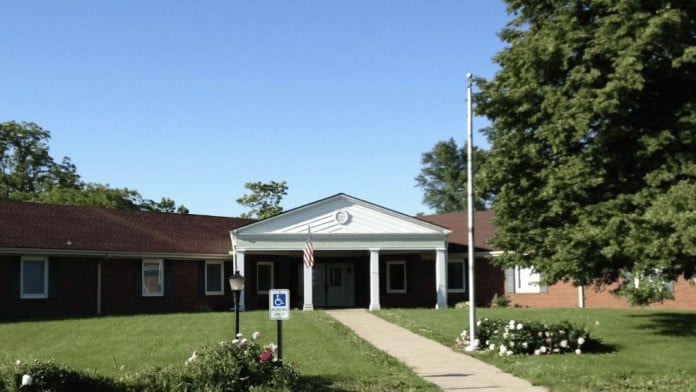
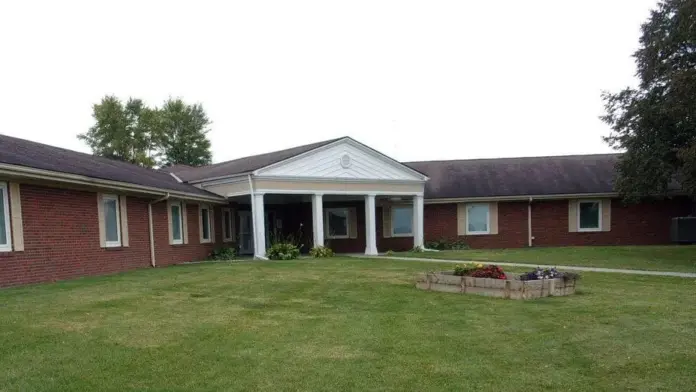
About Ridgeview Behavioral Hospital
Ridgeview Behavioral Hospital treats men and women. Rooms are semi private and house individuals of the same gender.
Ridgeview Behavioral Hospital is primarily focused on treating behavioral issues. However, it’s not uncommon for those with mental illness to turn to substance abuse as a coping mechanism for their problems. Co-occurring disorder treatment addresses both problems simultaneously to significantly reduce the chance of relapse.
Therapy is at the core of co-occurring disorder treatment. Individual psychotherapy sees clients discuss their personal history with licensed medical health professionals who provide an outside perspective into the nature of addiction. One on one therapy helps clients build healthy coping skills, better understand the risks and harm of their addictions, and practice healthy living habits.
Group therapy is also used as treatment. Clients meet together regularly and, under the guidance of a therapist, engage in discussions and life skill building exercises. Clients are encouraged to share their experiences and provide support for one another. Group therapy helps clients engage with communities, which becomes a crucial skill as they continue recovery following treatment.
Activities that promote physical fitness and nutrition education are also available. An often overlooked fact is that physical and mental wellbeing are linked. Ridgeview Behavioral Hospital uses group exercise and other physical activities to promote whole person healing.
Treatment at Ridgeway Behavioral Hospital takes place on an inpatient basis. Clients live on campus with one another under close monitoring by staff. The care team helps clients manage their medical needs during their stay and collaborate to devise their care plan.
Programs are highly personalized to fit each client’s needs, but the typical stay lasts between 21 and 30 days. After completing the inpatient program, clients work with their care team to draft an aftercare plan. Aftercare includes identifying community resources to support the recovery journey and personal goal setting for the short and long term.
Facility Overview
 84
84 Number of Available Beds
Latest Reviews
I have been to many inpatient psychiatric hospitals. This one was definitely one of the best. All the staff was extremely courteous and compassionate. Does not feel like a jail at all like other places. Reviews prior to 2025 obviously indicates a change in management and staff because everyone was exceptional. The therapist was awesome. And even charge nurse went out her way to ensure I was comfortable and could sleep during a difficult time. Thank you for treating me do nicely.
Response from the owner1 week ago
Thank you for the review. If you need anything further please contact Ridgeview Hospital @ 419-949-8590
This is Tifanee and this is a good place to be in your struggling with. Both Addiction and mental health, No judgement from anyone the techs are all amazing, You also don’t need both to go with or addiction, or mental health or just one… you gotta want it for recovery to happen, sadly to say my boyfriend passed when I was at ridgeview and left to soon, 100% going back and do me, losing someone when you in a recovery can take a turn for the worse’s….
I gotta want it for recovery to work for me and I’m working thru things then plan on calling ridgeview, I gotta be 100… 10 stars for ridgeview.
Response from the owner1 week ago
Thank you for the review. If you need anything further please contact Ridgeview Hospital @ 419-949-8590
I learned from Deanna and many others why are they all gown..that was family..many influences weren't helpful but most was in my life around good people with healthy teachings and skills to cope and manage life..I been trying to get back in hope it is still a blessing to the lost and broken. Alot of b a d people with agendas walk thru them doors I have witnessed but I listened to the skills triggers and teachings and that help goes along way that last a life time ..support groups are needed it is nearly impossible to do it alone
Response from the owner1 week ago
Thank you for the review. If you need anything further please contact Ridgeview Hospital @ 419-949-8590 
Rehab Score
 Our Methodology
Scoring is assigned by a proprietary system which helps surface key metrics that determine quality. The 10-point scale factors in categories such as operations, customer satisfaction, and trust metrics. Read Full Methodology

7.5 / 10
Gallery
Accepted Insurance
Other Forms of Payment
Private insurance refers to any kind of healthcare coverage that isn't from the state or federal government. This includes individual and family plans offered by an employer or purchased from the Insurance Marketplace. Every plan will have different requirements and out of pocket costs so be sure to get the full details before you start treatment.
Self-pay involves paying for treatment out of your own pocket. You can use savings or credit, get a personal loan, or receive help from family and friends to fund your treatment. If you don't have insurance or your insurance plan doesn't cover a specific program, self-pay can help ensure you still get the care you need.
Medicare is a federal program that provides health insurance for those 65 and older. It also serves people under 65 with chronic and disabling health challenges. To use Medicare for addiction treatment you need to find a program that accepts Medicare and is in network with your plan. Out of pocket costs and preauthorization requirements vary, so always check with your provider.
Addiction Treatments
Levels of Care
Residential treatment programs are those that offer housing and meals in addition to substance abuse treatment. Rehab facilities that offer residential treatment allow patients to focus solely on recovery, in an environment totally separate from their lives. Some rehab centers specialize in short-term residential treatment (a few days to a week or two), while others solely provide treatment on a long-term basis (several weeks to months). Some offer both, and tailor treatment to the patient's individual requirements.
At certain points in the recovery process, it's important to have support available 24/7. 24-hour clinical care offers a safe environment in which to recover from drug or alcohol addiction in peace, knowing medical detox and other treatment will happen with professionals on hand.
12-step programs are addiction recovery models based on Alcoholics Anonymous (AA). A number of substance abuse programs (including some drug and alcohol rehab centers) use the 12 steps as a basis for treatment. Beginning steps involve admitting powerlessness over the addiction and creating a spiritual basis for recovery. Middle steps including making direct amends to those who've been hurt by the addiction, and the final step is to assist others in addiction recovery in the same way. 12-Step offshoots including Narcotics Anonymous (NA), Cocaine Anonymous (CA), Dual Recovery Anonymous (DRA), Sex and Love Addicts Anonymous (SLAA) and Gamblers Anonymous (GA).
Treatments
Many of those suffering from addiction also suffer from mental or emotional illnesses like schizophrenia, bipolar disorder, depression, or anxiety disorders. Rehab and other substance abuse facilities treating those with a dual diagnosis or co-occurring disorder administer psychiatric treatment to address the person's mental health issue in addition to drug and alcohol rehabilitation.
Mental health rehabs focus on helping individuals recover from mental illnesses like bipolar disorder, clinical depression, anxiety disorders, schizophrenia, and more. Mental health professionals at these facilities are trained to understand and treat mental health issues, both in individual and group settings.
Programs
Adult rehab programs include therapies tailored to each client's specific needs, goals, and recovery progress. They are tailored to the specific challenges adult clients may face, including family and work pressures and commitments. From inpatient and residential treatment to various levels of outpatient services, there are many options available. Some facilities also help adults work through co-occurring conditions, like anxiety, that can accompany addiction.
Young adulthood can be an exciting, yet difficult, time of transition. Individuals in their late teens to mid-20s face unique stressors related to school, jobs, families, and social circles, which can lead to a rise in substance use. Rehab centers with dedicated young adult programs will include activities and amenities that cater to this age group, with an emphasis on specialized counseling, peer socialization, and ongoing aftercare.
Clinical Services
Cognitive Behavioral Therapy (CBT) is a therapy modality that focuses on the relationship between one's thoughts, feelings, and behaviors. It is used to establish and allow for healthy responses to thoughts and feelings (instead of unhealthy responses, like using drugs or alcohol). CBT has been proven effective for recovering addicts of all kinds, and is used to strengthen a patient's own self-awareness and ability to self-regulate. CBT allows individuals to monitor their own emotional state, become more adept at communicating with others, and manage stress without needing to engage in substance abuse.
The main goals of dialectical behavior therapy are to teach you how to regulate your emotions, develop positive ways to cope with stress, improve your relationships, and live in the moment. This therapy lasts about six months and involves weekly individual and group sessions.
Group therapy is any therapeutic work that happens in a group (not one-on-one). There are a number of different group therapy modalities, including support groups, experiential therapy, psycho-education, and more. Group therapy involves treatment as well as processing interaction between group members.
In individual therapy, a patient meets one-on-one with a trained psychologist or counselor. Therapy is a pivotal part of effective substance abuse treatment, as it often covers root causes of addiction, including challenges faced by the patient in their social, family, and work/school life.
Therapists who apply motivational interviewing in Ohio don't try to confront clients or force advice onto them. Instead, they listen and come alongside clients to help them explore why and how they might decide to make changes for themselves.
Recreational therapy supports recovery from drug and alcohol addiction by providing you with enjoyable activities that improve your physical and mental health. When you engage in sports, creative arts, and nature excursions, it helps reduce your cravings and stress levels while building a supportive community of peers who can help promote your long term sobriety.
Nicotine Replacement Therapy (NRT) is a way of getting nicotine into the bloodstream without smoking. It uses products that supply low doses of nicotine to help people stop smoking. The goal of therapy is to cut down on cravings for nicotine and ease the symptoms of nicotine withdrawal.
Amenities
-
 Gym
Gym -
 Yoga Studio
 -
 Residential Setting
 -
 Private Rooms
Accreditations

The Joint Commission, formerly known as JCAHO, is a nonprofit organization that accredits rehab organizations and programs. Founded in 1951, the Joint Commision's mission is to improve the quality of patient care and demonstrating the quality of patient care.
Joint Commission Accreditation: Yes
Rehab.com regularly reviews this listing for accuracy but changes may occur between updates. For the most up-to-date information, please contact Ridgeview Behavioral Hospital.
Contact Information

17872 Lincoln Highway
Middle Point, OH 45863
Get Help Now - 419-365-6326
Sponsored Helpline
Sponsored Helpline


